
A refrigerator is one of the most essential appliances in any home. It keeps food fresh, prevents bacteria growth, and helps preserve groceries for longer periods. However, when your fridge stops keeping things cold, it can quickly turn into a stressful situation. Warm milk, spoiled vegetables, and melting frozen foods are clear signs that something is wrong.
If your fridge is not keeping things cold, don’t panic. In many cases, the problem is caused by simple issues that can be fixed without expensive repairs. Understanding the common causes and their solutions can help you restore your refrigerator’s cooling performance quickly.
In this guide, we will explore the most common reasons why refrigerators stop cooling properly and the easy fixes you can try at home.
Common Signs Your Fridge Is Not Cooling Properly
Before troubleshooting, it’s important to identify the signs that indicate your refrigerator has a cooling problem.
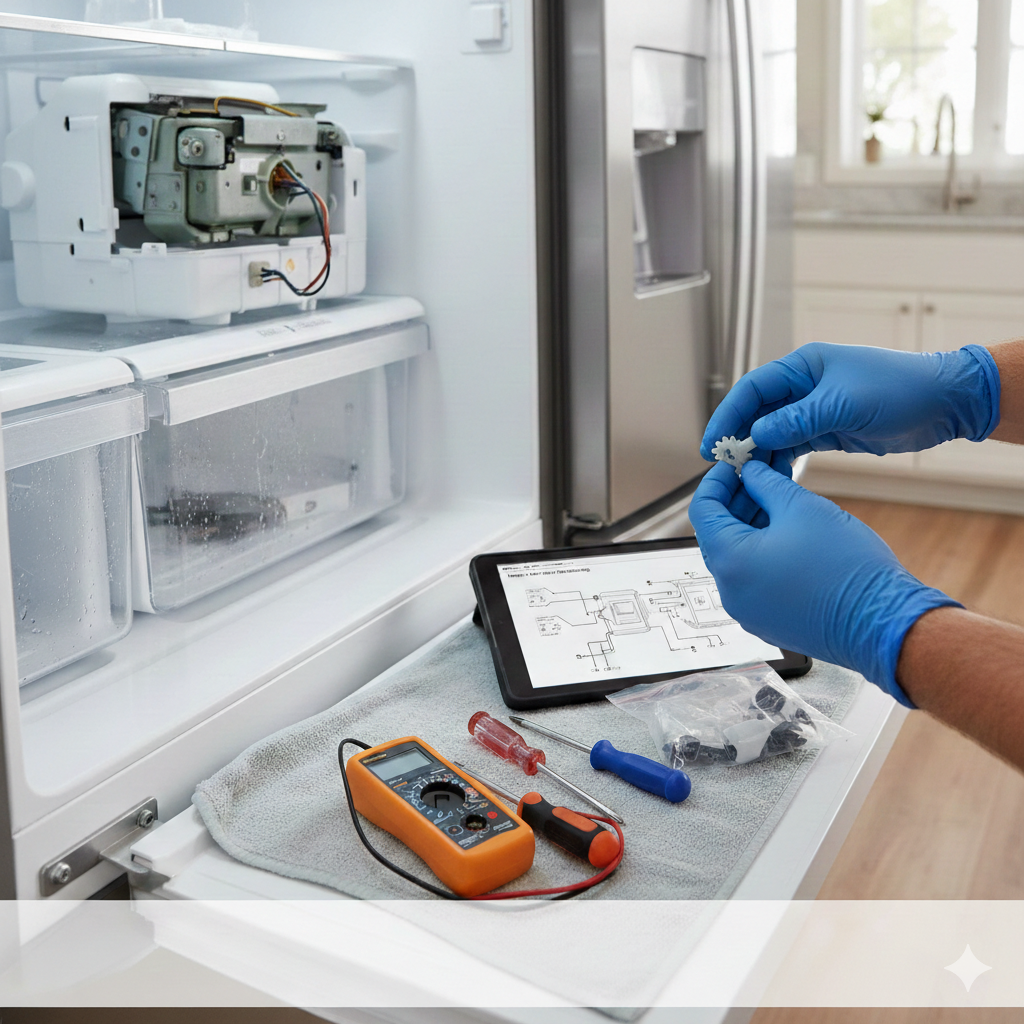
Some common symptoms include:
- Food spoiling faster than usual
- Refrigerator temperature feeling warm
- Ice cream melting in the freezer
- Refrigerator running constantly
- Water leaking or frost build-up inside
If you notice these problems, your refrigerator may not be maintaining the correct temperature.
1. Incorrect Temperature Settings
One of the most common reasons for a fridge not keeping things cold is incorrect temperature settings. Sometimes the thermostat gets accidentally adjusted when moving food or cleaning the refrigerator.
If the temperature is set too high, the fridge will not be able to maintain proper cooling levels.
How to Fix It
Check the thermostat settings inside your refrigerator and adjust them if necessary.
Recommended refrigerator temperatures:
- Fridge compartment: 37°F to 40°F (3°C to 4°C)
- Freezer compartment: 0°F (-18°C)
After adjusting the settings, wait several hours for the temperature to stabilize.
2. Dirty Condenser Coils
Condenser coils play an important role in releasing heat from your refrigerator. Over time, dust, dirt, and pet hair can accumulate on these coils, making it harder for the fridge to cool efficiently.
When the coils are dirty, the refrigerator has to work harder, which can lead to cooling issues.
Signs of Dirty Coils
- Refrigerator running longer than usual
- Poor cooling performance
- Increased electricity consumption
Easy Fix
Cleaning the condenser coils is simple:
- Unplug the refrigerator.
- Locate the coils at the back or bottom of the fridge.
- Use a vacuum cleaner or coil brush to remove dust.
- Plug the refrigerator back in.
Experts recommend cleaning the coils every 6 months for optimal performance.
3. Blocked Air Vents
Air circulation is essential for maintaining a consistent temperature inside the refrigerator. Most refrigerators use vents to move cold air from the freezer to the fridge section.
If these vents become blocked by food containers or packages, the airflow is restricted.
How to Fix It
Check inside the fridge and freezer for blocked vents.
- Move large food items away from vents.
- Avoid overcrowding shelves.
- Keep enough space for air to circulate.
Proper airflow helps maintain even cooling throughout the refrigerator.
4. Overloaded Refrigerator
A refrigerator packed with too many items may struggle to maintain a consistent temperature.
Overloading blocks airflow and prevents cold air from reaching all areas of the fridge.
Solution
Organize your refrigerator to allow proper airflow:
- Avoid stacking food tightly together
- Leave small gaps between containers
- Remove expired or unnecessary items
A well-organized refrigerator works more efficiently and keeps food colder.
5. Damaged Door Gasket
The door gasket is the rubber seal around the refrigerator door. Its job is to keep cold air inside and prevent warm air from entering.
If the gasket becomes cracked, dirty, or loose, cold air can escape. This makes it difficult for the fridge to maintain a low temperature.
How to Check the Seal
You can perform a simple test:
- Place a piece of paper between the door and the fridge.
- Close the door.
- Try pulling the paper out.
If the paper slides out easily, the seal may be weak.
How to Fix It
- Clean the gasket using warm water and mild soap.
- Replace the seal if it is damaged.
Replacing the gasket is an inexpensive repair that can significantly improve cooling efficiency.
6. Frost Build-Up in the Freezer
Excessive frost in the freezer can block air vents and prevent cold air from reaching the refrigerator compartment.
This problem is more common in refrigerators with manual defrost systems.
Signs of Frost Build-Up
- Thick ice layers in the freezer
- Reduced airflow
- Refrigerator section not cooling properly
Easy Fix
To solve this issue:
- Unplug the refrigerator.
- Remove food from the freezer.
- Allow the ice to melt naturally.
- Clean and dry the interior before restarting.
Regular defrosting can prevent cooling issues.
7. Faulty Evaporator Fan
The evaporator fan circulates cold air throughout the refrigerator. If the fan stops working, cold air cannot move properly inside the appliance.
Signs of a Faulty Fan
- Freezer is cold but fridge is warm
- No airflow inside the refrigerator
- Strange noises coming from the freezer area
Solution
A broken evaporator fan usually needs to be replaced. This repair may require a professional technician.
8. Faulty Thermostat
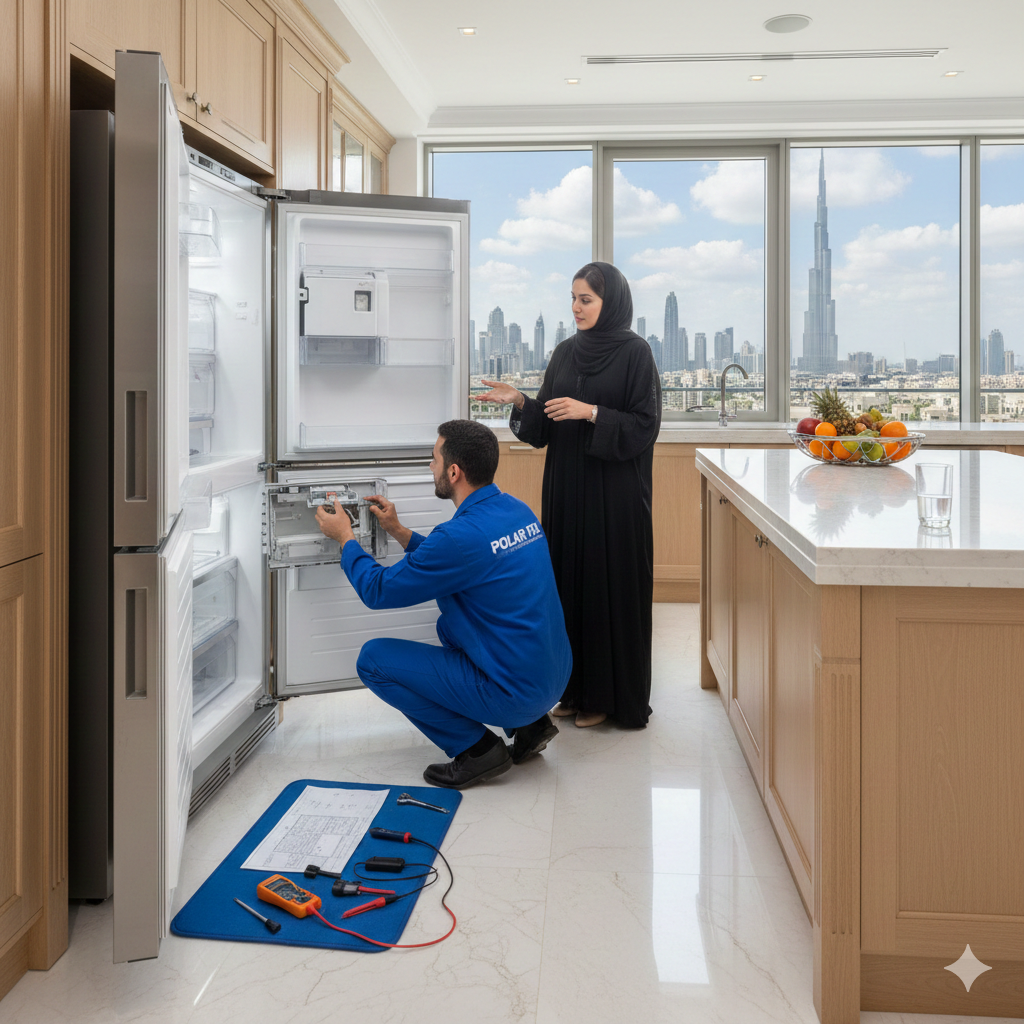
The thermostat controls the refrigerator’s cooling cycle. If it fails, the compressor may not receive the signal to start cooling.
Symptoms of Thermostat Failure
- Refrigerator not cooling at all
- Compressor not turning on
- Temperature fluctuations
Fix
If adjusting the temperature settings doesn’t work, the thermostat may need to be replaced.
9. Compressor Problems
The compressor is the most important component of a refrigerator. It pumps refrigerant through the cooling system.
If the compressor stops working, the refrigerator cannot cool properly.
Signs of Compressor Issues
- Loud clicking noises
- Fridge not cooling at all
- Compressor overheating
Solution
Compressor repairs can be complex and expensive. In some cases, replacing the refrigerator may be more economical than repairing the compressor.
10. Power Supply Problems
Sometimes the issue may not be with the refrigerator itself but with the electrical supply.
Loose plugs, damaged cords, or faulty outlets can interrupt the power needed for the fridge to operate.
What to Check
- Ensure the refrigerator is properly plugged in
- Inspect the power cord for damage
- Test the outlet with another appliance
If the outlet is faulty, an electrician may need to repair it.
When to Call a Refrigerator Repair Technician
While many refrigerator problems can be solved with basic troubleshooting, some issues require professional repair.
Consider calling a technician if:
- The fridge is not cooling at all
- You hear loud or unusual noises
- The compressor is malfunctioning
- Refrigerant is leaking
Professional repairs ensure your appliance is fixed safely and correctly.
Tips to Prevent Refrigerator Cooling Problems
Regular maintenance can help prevent many refrigerator issues.
Follow these tips to keep your fridge working efficiently:
- Clean condenser coils every 6 months
- Keep the refrigerator properly organized
- Check door seals regularly
- Avoid overloading the fridge
- Maintain correct temperature settings
- Defrost the freezer when necessary
Taking these steps can extend the lifespan of your refrigerator and improve its performance.
Frequently Asked Questions (FAQs)
1. Why is my fridge running but not cooling?
If your fridge is running but not cooling, the issue could be caused by dirty condenser coils, blocked air vents, a faulty thermostat, or a damaged evaporator fan. Cleaning the coils and checking the airflow can often solve the problem.
2. How do I know if my refrigerator compressor is bad?
A faulty compressor may cause loud clicking noises, overheating, or complete cooling failure. If the compressor stops working, the refrigerator will not be able to maintain a cold temperature.
3. What temperature should my fridge be set to?
For proper food storage, your refrigerator temperature should be between 37°F and 40°F (3°C to 4°C), while the freezer should be set to 0°F (-18°C).
4. Can a dirty refrigerator cause cooling problems?
Yes, dust and debris on the condenser coils can reduce cooling efficiency. Cleaning the coils every six months can improve refrigerator performance and prevent cooling issues.
5. When should I call a refrigerator repair technician?
You should contact a professional technician if your fridge is not cooling at all, making unusual noises, or the compressor or fan motor is damaged.
Final Thoughts
If your fridge is not keeping things cold, the problem is often caused by simple issues such as incorrect temperature settings, dirty coils, blocked vents, or worn door seals. By identifying the cause early and applying the right fix, you can restore your refrigerator’s cooling performance without expensive repairs.
However, if basic troubleshooting doesn’t solve the problem, it’s best to contact a professional technician. Regular maintenance and proper usage can help ensure your refrigerator continues to work efficiently for many years.
Keeping your fridge in good condition not only saves money on repairs but also ensures your food stays fresh and safe.
If your fridge is not keeping things cold, try the troubleshooting tips mentioned above to fix common cooling problems quickly. For more home appliance repair tips and maintenance guides, explore our blog and keep your appliances running smoothly.
{ “@context”: “https://schema.org”, “@type”: “LocalBusiness”, “name”: “Imran Khan technical services”, “image”: “https://lh3.googleusercontent.com/p/AF1QipP_P_wzCO_09rBDTUIfaK8nYFEZSxNdE6CgQtnC=s680-w680-h510-rw”, “@id”: “”, “url”: “https://imrankhantechnicalservice.com/”, “telephone”: “+971 55 991 5623”, “priceRange”: “$”, “address”: { “@type”: “PostalAddress”, “streetAddress”: “33a Al Satwa Rd – Al Satwa”, “addressLocality”: “Dubai”, “postalCode”: “00000”, “addressCountry”: “AE” }, “geo”: { “@type”: “GeoCoordinates”, “latitude”: 25.224255, “longitude”: 55.2691941 }, “openingHoursSpecification”: { “@type”: “OpeningHoursSpecification”, “dayOfWeek”: [ “Monday”, “Tuesday”, “Wednesday”, “Thursday”, “Friday”, “Saturday”, “Sunday” ], “opens”: “00:00”, “closes”: “23:59” } }{ “@context”: “https://schema.org”, “@type”: “Organization”, “name”: “Imran khan Technical Service”, “url”: “https://imrankhantechnicalservice.com/”, “logo”: “https://imrankhantechnicalservice.com/wp-content/uploads/elementor/thumbs/cropped-WhatsApp-Image-2025-01-26-at-4.07.48-PM-r0mow4w7g1pesxspgfak4n0j0xofowqw2pggfjd3uk.jpeg”, “contactPoint”: { “@type”: “ContactPoint”, “telephone”: “+971559915623”, “contactType”: “technical support”, “contactOption”: “TollFree”, “areaServed”: “AE”, “availableLanguage”: [“en”,”Arabic”] }, “sameAs”: [ “https://www.facebook.com/imrankhantechnicalservice”, “https://www.instagram.com/imrankhantechnicalservice/”, “https://www.pinterest.com/imrankhantechnicalservice08/” ] }