
Introduction
A refrigerator is one of the most important appliances in any home. It keeps food fresh, prevents spoilage, and helps store groceries for longer periods. However, many homeowners face a common problem when their fridge not cooling properly. This issue can quickly become frustrating because it can cause food to spoil, increase electricity consumption, and reduce the overall performance of the appliance.
When a refrigerator stops maintaining the correct temperature, people usually start searching for a reliable refrigerator not cooling solution. The good news is that many cooling problems are caused by simple issues such as dirty coils, blocked airflow, or minor component faults. Identifying the cause early can help prevent expensive repairs and keep your refrigerator running efficiently.
Refrigerators work using a cooling system that includes components such as the compressor, condenser coils, evaporator coils, refrigerant gas, and fans. These parts work together to remove heat from inside the fridge and release it outside. If any part of this system fails or becomes dirty, the refrigerator may lose its cooling efficiency.
In this guide, we will explain the most common reasons why a fridge not cooling properly, the possible causes behind the problem, and the best refrigerator not cooling solution options to fix it. Understanding these problems can help you maintain your refrigerator properly and avoid sudden breakdowns.
Common Reasons Why a Fridge Not Cooling Properly
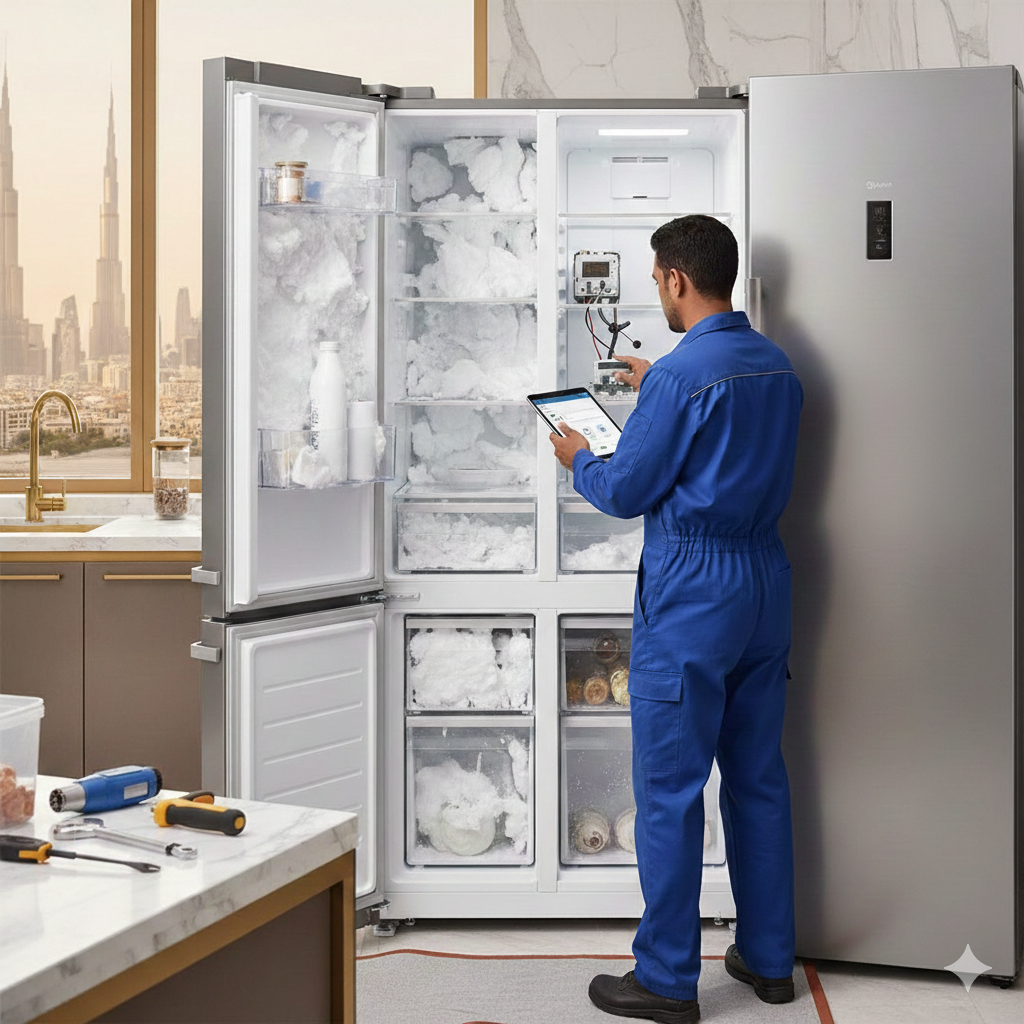
There are several reasons why a refrigerator may stop cooling effectively. Some of these issues are simple and can be fixed easily, while others may require professional repair. Below are the most common causes of refrigerator cooling problems.
Dirty Condenser Coils
One of the most common reasons for a fridge not cooling properly is dirty condenser coils. These coils are responsible for releasing heat from the refrigerator into the surrounding environment. When dust, dirt, or pet hair accumulates on the coils, the refrigerator cannot release heat efficiently.
As a result, the appliance has to work harder to maintain the correct temperature, which reduces cooling performance and increases electricity usage.
Solution
Cleaning the condenser coils is an effective refrigerator not cooling solution. You can use a soft brush or vacuum cleaner to remove dust from the coils. Cleaning should be done every few months to maintain proper performance.
Blocked Air Vents
Refrigerators rely on proper airflow to distribute cold air throughout the compartments. If food containers or items block the air vents inside the fridge, cold air cannot circulate evenly.
When airflow is blocked, some areas may become too warm while others remain cold. This can create uneven cooling and cause food to spoil faster.
Solution
Make sure there is enough space inside the refrigerator for air to circulate freely. Avoid placing large containers directly in front of the air vents.
Faulty Evaporator Fan
The evaporator fan plays an important role in circulating cold air inside the refrigerator. If this fan stops working or becomes damaged, cold air cannot move properly through the fridge compartments.
In many cases, you may notice that the freezer is still cold while the refrigerator section becomes warm.
Solution
A damaged evaporator fan should be inspected and replaced by a technician. This repair often restores proper cooling quickly.
Damaged Door Gasket
The rubber seal around the refrigerator door is called the door gasket. Its purpose is to keep cold air inside the fridge while preventing warm air from entering.
If the gasket becomes loose, cracked, or worn out, cold air may escape from the refrigerator. This forces the appliance to work harder and reduces cooling efficiency.
Solution
Inspect the door gasket regularly for damage. If the seal is broken or loose, replacing it can be an effective refrigerator not cooling solution.
Incorrect Temperature Settings
Sometimes the reason a fridge not cooling properly is simply incorrect temperature settings. If the thermostat is set too high, the refrigerator may not cool enough to preserve food safely.
Temperature settings may also change accidentally when adjusting other controls.
Solution
Check the thermostat settings and ensure the refrigerator temperature is set between 3°C and 5°C while the freezer should be around -18°C.
Refrigerant Gas Leak
Refrigerant gas is essential for the cooling process in refrigerators. It absorbs heat from inside the fridge and releases it outside through the condenser coils.
If the refrigerant level becomes low due to leakage, the refrigerator will struggle to maintain proper cooling.
Solution
A gas leak should always be repaired by a professional technician. After fixing the leak, the refrigerant gas needs to be refilled to restore normal cooling.
Compressor Problems
The compressor is the heart of the refrigerator’s cooling system. It pumps refrigerant throughout the system and maintains the cooling cycle.
If the compressor becomes weak, overheated, or damaged, the refrigerator may stop cooling completely.
Solution
Compressor problems usually require professional diagnosis and repair. In some cases, the compressor may need replacement.
Simple Refrigerator Not Cooling Solution Tips
Before calling a technician, there are a few simple steps you can take to check whether the problem can be solved easily.
Check the Power Supply
Make sure the refrigerator is properly plugged in and receiving power.
Clean the Coils
Dust buildup can significantly reduce cooling efficiency.
Avoid Overloading the Fridge
Too many food items can block airflow and reduce cooling performance.
Ensure the Door Closes Properly
A slightly open door can cause warm air to enter the refrigerator.
Keep the Fridge Away from Heat Sources
Placing the refrigerator near ovens or direct sunlight can affect its cooling ability.
These small maintenance steps can often serve as a quick refrigerator not cooling solution.
Preventive Maintenance for Better Cooling

Preventive maintenance is the best way to avoid situations where a fridge not cooling properly. Taking care of your appliance regularly can extend its lifespan and improve efficiency.
Regular Cleaning
Clean condenser coils, shelves, and vents to maintain proper airflow.
Check Door Seals
Ensure the door gasket is tight and not damaged.
Maintain Proper Air Circulation
Avoid overcrowding the refrigerator.
Schedule Professional Servicing
Regular inspections by a technician can help detect small issues before they become major problems.
Proper maintenance not only improves cooling performance but also reduces energy consumption.
When to Call a Professional Technician
While some refrigerator issues can be fixed easily at home, certain problems require professional attention.
You should call a technician if:
- The fridge not cooling properly even after cleaning and maintenance
- The refrigerator makes unusual noises
- Ice buildup appears inside the cooling system
- The compressor stops running
- You suspect a refrigerant gas leak
Professional technicians have the tools and experience to diagnose complex problems safely and efficiently.
Professional Refrigerator Repair Service
If you are looking for a reliable refrigerator not cooling solution, professional repair services can help restore your appliance quickly.
Imran Khan Technical Service provides expert repair solutions for home appliances. Our experienced technicians can diagnose cooling problems and repair refrigerators efficiently.
Our Services Include
- Refrigerator cooling repair
- Air conditioner repair and maintenance
- Washing machine repair
- Dishwasher repair
- Appliance inspection and troubleshooting
We focus on providing fast, reliable, and affordable appliance repair services to ensure your home appliances work properly again.
Frequently Asked Questions (FAQs)
1. Why is my fridge not cooling properly?
A fridge may not cool properly due to dirty condenser coils, blocked air vents, faulty evaporator fans, damaged door gaskets, incorrect temperature settings, refrigerant leaks, or compressor problems.
2. What is the easiest refrigerator not cooling solution?
Simple solutions include cleaning condenser coils, checking the door seal, adjusting the temperature settings, ensuring proper airflow, and avoiding overloading the fridge.
3. How often should I maintain my refrigerator?
It is recommended to clean the condenser coils and check door seals every few months. Professional servicing once or twice a year helps prevent major problems.
4. Can a refrigerant leak cause a fridge not to cool properly?
Yes, low refrigerant levels prevent the refrigerator from maintaining the correct temperature. Leaks must be repaired by a professional technician, and the gas refilled.
5. When should I call a professional technician?
Call a technician if simple maintenance does not solve the problem, if unusual noises occur, ice buildup appears, the compressor fails, or you suspect a gas leak.
Conclusion
A refrigerator is an essential appliance that plays a key role in keeping food fresh and safe. When a fridge not cooling properly, it can create serious inconvenience and lead to food spoilage. The most common causes include dirty condenser coils, blocked air vents, faulty fans, damaged door seals, and compressor issues.
Fortunately, many of these problems can be solved with simple maintenance and timely repairs. Following proper cleaning routines and checking basic components can help prevent cooling issues before they become serious.
If the problem continues even after trying basic fixes, the best refrigerator not cooling solution is to contact a professional repair technician. Expert servicing ensures that the appliance is repaired correctly and continues to operate efficiently for many years
Call to Action (CTA)
Need your fridge cooling properly again? Contact Imran Khan Technical Service for fast and reliable refrigerator repair.Book your service today and restore your appliance’s efficiency quickly.
Call Now Button