
Opening Hook
Fatima had owned her refrigerator for over 12 years. It had been a loyal companion—chilling water bottles during Dubai’s scorching summers, keeping fresh fruit crisp, and preserving leftovers after family gatherings. But one morning, she noticed the milk had gone sour overnight. A technician later told her, “Your fridge has lost its gas. We’ll need to refill it.” Fatima’s immediate thought was: Is that even safe for such an old machine—or am I just delaying the inevitable?
This is a question many homeowners face. Refrigerators, especially older ones, eventually lose efficiency, and a gas refill might sound like a quick fix. But is it truly safe, and is it the best solution? Let’s break this down.m
Why Refrigerators Need Gas in the First Place
At the heart of every fridge is a cooling system that relies on refrigerant gas. This gas circulates through coils, absorbing heat from inside and releasing it outside, which is what keeps your food cold.

When the gas level drops due to leaks or wear and tear, the fridge can’t cool properly. Common signs include:
- Food not staying fresh.
- The motor running non-stop.
- Ice not forming in the freezer.
In Fatima’s case, her fridge’s compressor was working overtime, but the inside temperature barely dropped. That’s a classic indicator of low gas levels.
Is Refilling Gas in Old Fridges Safe?
Here’s the simple answer: Yes, refilling gas in an old fridge is generally safe—if done correctly and under the right circumstances. However, safety and practicality depend on several factors.
- Condition of the Fridge:
If your fridge is very old (10+ years), it may have multiple worn-out parts. Refilling gas might fix cooling temporarily, but other issues could soon follow. - The Source of the Leak:
Gas doesn’t disappear on its own—it escapes through leaks in pipes or coils. If these leaks aren’t fixed before refilling, the gas will escape again. - Type of Gas Used:
Modern fridges use eco-friendly refrigerants like R600a (isobutane), which are safer for the environment. Older fridges may use outdated gases (like R134a), which aren’t as efficient. Using the wrong gas can damage the machine. - The Technician’s Expertise:
Refilling gas is not a DIY job. A skilled technician checks for leaks, vacuums the system, and then refills gas to the correct pressure. Cutting corners can lead to compressor damage—or worse, safety risks.
Real-Life Example: When Gas Refill Works
For instance, a family in Al Barsha had a 7-year-old refrigerator that suddenly stopped cooling. A technician found a minor leak in the copper tubing. After sealing the leak and refilling the gas, the fridge worked like new. The family continued using it for another 4 years without any major issues.
This shows that when the fridge is in decent shape and the leak is minor, a gas refill can be a cost-effective solution.
When Gas Refill Might Not Be Worth It
In contrast, another case involved a 14-year-old fridge in Downtown Dubai. The owner kept refilling gas every few months because the leaks kept returning. Each repair cost money, but the fridge still struggled to cool. Eventually, the compressor failed completely. At that point, the repair cost was almost as high as buying a new fridge.
As a result, continuing with gas refills only delayed the inevitable—and cost more in the long run.
The Hidden Risks of Gas Refills in Very Old Fridges
While the process itself is safe when done by professionals, there are potential risks:

- Recurring Leaks: Old coils can corrode, making leaks common and recurring.
- Compressor Overload: If the gas level isn’t right, the compressor may overwork and burn out.
- Fire Hazards: Some gases, like R600a, are flammable. A poor-quality refill job with leaks could, in rare cases, create fire risks.
- Wasted Money: Spending repeatedly on gas refills for a fridge near the end of its life cycle isn’t always smart.
The Cost Factor: Repair vs Replacement
Money is often the deciding factor for homeowners.
- Gas refill cost in Dubai: AED 150 – AED 300 (depending on the fridge type and leak repair).
- New mid-range fridge cost: AED 1,200 – AED 2,500.
If your fridge is under 8–10 years old and in good shape, a gas refill makes financial sense. But if it’s older than that and repairs keep piling up, replacement is usually more cost-effective.
Preventing the Need for Frequent Gas Refills
Nobody wants to face repeated fridge breakdowns. Preventive care can make a huge difference.
- Avoid overloading: Overstuffing the fridge blocks airflow, forcing the system to overwork.
- Keep coils clean: Dusty condenser coils reduce cooling efficiency.
- Check door seals: Weak seals let cold air escape, straining the compressor.
- Annual servicing: A professional checkup can detect leaks early and extend fridge life.
Think of it like going to the doctor for a yearly checkup—catching small issues before they become big, costly problems.
Environment and Safety Considerations
Another important angle is the environment. Older refrigerants, if released into the air, contribute to global warming. Modern technicians in Dubai are trained to handle and dispose of old gases safely.
Furthermore, eco-friendly gases like R600a not only protect the environment but also improve fridge efficiency, meaning lower electricity bills for you.
A Balanced Decision: Repair or Replace?
So, is gas refill safe for old fridges? The balanced truth is: Yes, but safety and value depend on the fridge’s age, condition, and whether the leak is properly fixed.
If your fridge is less than 8–10 years old, a professional gas refill is usually safe and smart. But if it’s over 12–15 years old, frequent refills may only delay the need for a replacement.
Frequently Asked Questions (FAQ)
1. Is it safe to refill gas in an old refrigerator?
Yes, refilling gas in an old refrigerator is generally safe if done by a qualified technician and if the fridge is in reasonable condition. Safety depends on proper leak detection and correct gas usage.
2. How do I know if my fridge actually needs a gas refill?
Common signs include poor cooling, food spoiling quickly, the compressor running continuously, and ice not forming in the freezer. A technician can confirm low gas levels after inspection.
3. Why does fridge gas run out again after refilling?
Gas does not get “used up.” If it runs out again, it usually means there is a leak in the cooling system that was not properly sealed before refilling.
4. When is gas refill not worth it for an old fridge?
If your fridge is over 12–15 years old, requires frequent gas refills, or has multiple failing components, replacing it is often more cost-effective than continued repairs.
5. Can gas refilling damage my refrigerator or cause safety risks?
If done incorrectly, yes. Overfilling, using the wrong gas, or ignoring leaks can damage the compressor and, in rare cases, create safety risks—especially with flammable refrigerants. That’s why professional service is essential.
Closing Thoughts
Fatima, from our opening story, decided to refill the gas in her 12-year-old fridge. It worked fine for another 6 months before other issues surfaced. Eventually, she bought a new, energy-efficient model. Looking back, she admitted the refill bought her some time, but a replacement was the better long-term choice.
The lesson? A gas refill can revive an old fridge temporarily, but it isn’t always the final answer. Think of it as a short-term solution, not a permanent fix.
So, the next time your fridge struggles to keep cool, don’t panic. Call a qualified technician, ask the right questions, and weigh the cost of repair against replacement. After all, a fridge isn’t just another appliance—it’s the silent guardian of your food, your health, and your comfort.
Latest Post:
-

Dishwasher Repair Services for Loud Noises: Causes, Fixes & When to Call Experts
A dishwasher should make a steady, low hum while running. If yours suddenly starts grinding, rattling, buzzing, or screeching, it’s a clear sign something isn’t right. Strange sounds are often the first warning that an internal component is loose, blocked, or wearing out. Ignoring the noise may lead to bigger and more expensive damage later.…
-
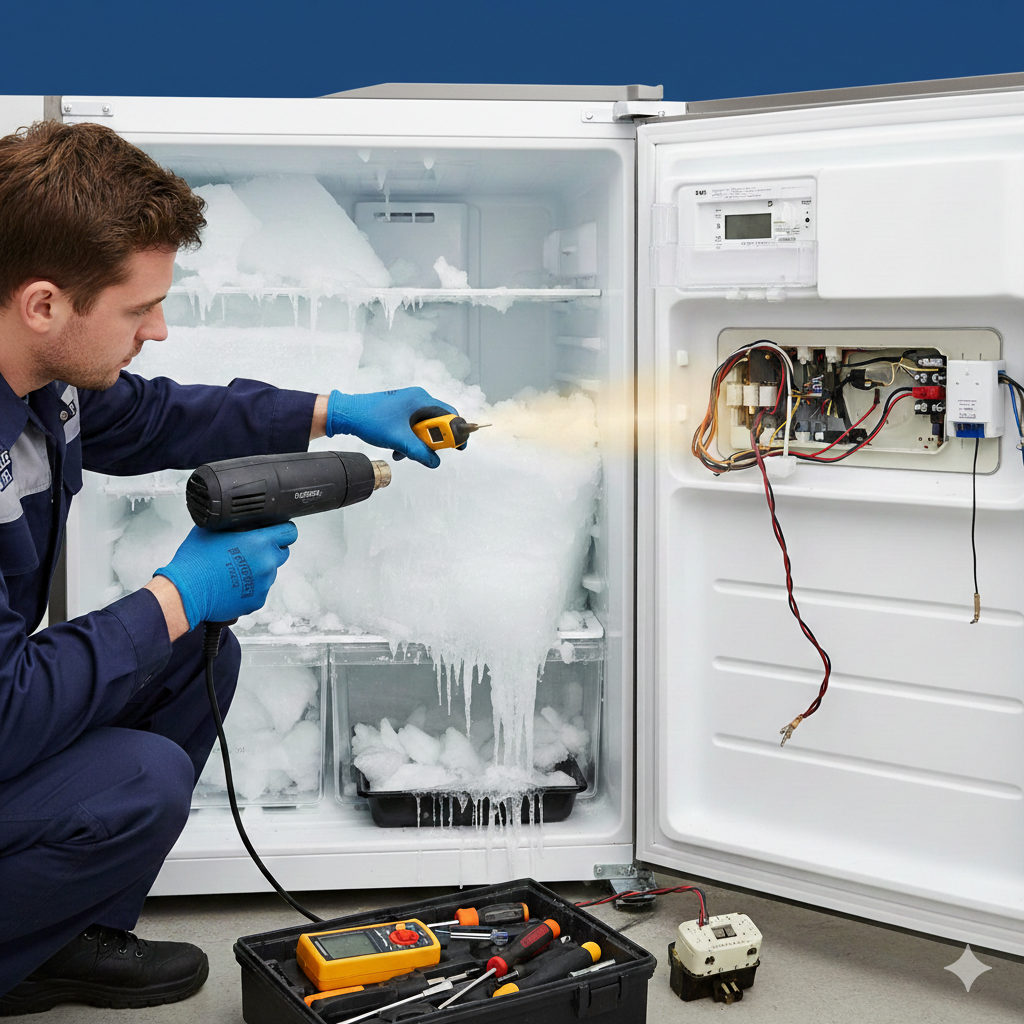
Fridge Repair Services in Dubai: How to Fix Frost Build-Up and Faulty Thermostats
Refrigerators play a vital role in every home and business in Dubai, where high temperatures make food preservation essential. When a fridge starts developing frost build-up or suffers from a faulty thermostat, it can quickly turn into a costly problem if ignored. These issues not only affect cooling performance but also increase electricity consumption and…
-

How AC Repair Services in Dubai Can Reduce High Electricity Consumption
Living in Dubai means relying heavily on air conditioning for most of the year. With extreme temperatures and long summers, AC systems often run for hours without a break. While this ensures comfort, it also leads to one major concern for residents and businesses alike — high electricity consumption. Many people are surprised when they…