
Opening Hook
On a hot summer afternoon, Ahmed came home from work craving a cold glass of water. He opened his fridge, only to find the bottles lukewarm and the freezer dripping with melted ice cream. His family’s meals for the week were at risk, and frustration quickly set in. The culprit? A fridge that hadn’t been maintained in months.
We often take our refrigerators for granted—until the day they fail us. But here’s the good news: with just a little monthly care, you can keep your fridge running efficiently, save on energy bills, and avoid costly breakdowns.
Why Monthly Maintenance Matters
A refrigerator is one of the hardest-working appliances in any home. It runs 24/7, keeping food fresh and safe. Yet, because it quietly does its job, most people neglect it until something goes wrong.

Regular maintenance helps in several ways:
- Improves Efficiency: A clean, well-maintained fridge consumes less electricity.
- Extends Lifespan: Preventive care reduces wear and tear on vital parts.
- Prevents Food Spoilage: Consistent temperature regulation ensures food stays fresh.
- Saves Money: Minor fixes now prevent expensive repairs or early replacements later.
For instance, studies show that dirty condenser coils alone can increase energy consumption by up to 30%. That’s money wasted every single month simply because of skipped maintenance.
Step 1: Clean and Inspect the Door Seals
Think of your fridge door seal (or gasket) as its bodyguard. If the seal is weak or dirty, cold air escapes, forcing the fridge to work harder.
Run your hand along the rubber gasket to check for cracks, tears, or food buildup. If you notice grime, wipe it gently with warm, soapy water and dry it thoroughly. For a simple test, close the door on a piece of paper. If you can easily pull it out, the seal might need replacing.
Real-life example: A family in Dubai noticed their fridge was constantly cycling on and off. The technician discovered the door seal wasn’t sealing tightly, allowing cool air to escape. A simple replacement reduced their electricity bill within weeks.
Step 2: Clean the Condenser Coils
Behind or beneath your fridge, you’ll find condenser coils. These coils are responsible for releasing heat, but when coated with dust or pet hair, they struggle to do their job.
Unplug your fridge and use a coil brush or vacuum cleaner to remove buildup. This quick task not only prevents overheating but also helps your fridge cool more effectively.
Furthermore, dirty coils are one of the top reasons fridges overheat and break down prematurely. Spending just 10 minutes a month on this step can save you hundreds in repair costs later.
Step 3: Check the Temperature Settings
Your fridge doesn’t need to be icy cold to do its job. In fact, overly low temperatures waste energy without keeping food any safer.
- Fridge Compartment: Keep it between 3°C and 5°C (37°F to 41°F).
- Freezer Compartment: Aim for around -18°C (0°F).
If your fridge has a digital display, check it monthly. For older models, use an inexpensive fridge thermometer.
For instance, Maria, a mother of three, noticed her fridge freezing vegetables. After adjusting the temperature from 1°C to 4°C, not only did her veggies stay crisp, but her energy bill also dropped noticeably.
Step 4: Defrost and Declutter the Freezer
While many modern fridges are frost-free, some still require manual defrosting. Even in frost-free models, ice buildup around vents can restrict airflow.
Every month, check your freezer for ice accumulation. If you see more than half an inch of frost, defrost it. Also, avoid overstuffing your freezer—cold air needs space to circulate.
In contrast, an overcrowded freezer forces the motor to work harder, shortening its lifespan. A little decluttering each month keeps both the freezer and your food in better condition.
Step 5: Wipe Down Shelves and Drawers
Spills and crumbs may seem harmless, but they can lead to unpleasant odors and bacterial growth.
Remove items one shelf at a time and wipe surfaces with a mixture of mild soap and warm water. Avoid harsh chemicals that could leave behind toxic residues. For stubborn odors, a simple baking soda solution works wonders.
Pro tip: Place an open box of baking soda inside your fridge to naturally absorb smells. Replace it every month.
Step 6: Inspect the Water Filter and Ice Maker
If your fridge dispenses water or ice, don’t forget the filter. A clogged filter affects water quality and may damage the dispenser system.

Manufacturers generally recommend replacing filters every six months, but checking them monthly ensures you don’t miss a replacement window. Cloudy ice cubes or a slow water flow are signs it’s time for a new one.
Step 7: Listen for Strange Noises
Your fridge should hum quietly. Loud buzzing, clicking, or rattling often signals underlying issues like a failing compressor, loose fan, or motor trouble.
As a result, paying attention to unusual sounds allows you to call a technician before the issue escalates into a costly breakdown.
Step 8: Organize Food Smartly
Maintenance isn’t just about the machine—it’s also about how you use it. Keeping your fridge organized improves airflow and efficiency.
- Store dairy products in the middle shelves where the temperature is most stable.
- Keep raw meats in sealed containers at the bottom to prevent leaks.
- Avoid placing hot food directly inside; let it cool first.
In contrast, a disorganized fridge with blocked vents struggles to maintain even cooling, leading to spoilage and wasted groceries.
Step 9: Inspect the Drip Pan and Drain Hole
Many fridges have a drain hole and a drip pan that collects condensation. If these get clogged, you may notice water pooling at the bottom of your fridge.
Check the drain hole monthly and use a pipe cleaner or warm water to clear blockages. Empty and clean the drip pan to prevent mold or foul odors.
Step 10: Give It Breathing Space
Finally, ensure your fridge has enough room to “breathe.” Place it at least a few inches away from the wall to allow airflow around the coils. Without proper ventilation, your fridge overheats and loses efficiency.
The Cost of Neglecting Maintenance
To put things into perspective, replacing a fridge compressor can cost several hundred dollars, while a new high-end refrigerator might run into thousands. In contrast, spending 20–30 minutes each month on maintenance can prevent such expenses entirely.
Just like a car needs regular oil changes, your fridge thrives on preventive care. And in a busy household, the peace of mind knowing your food is safe is priceless.
Frequently Asked Questions (FAQ)
1. Why is monthly refrigerator maintenance important?
Monthly maintenance helps improve energy efficiency, prevents sudden breakdowns, extends the fridge’s lifespan, and keeps food fresh by maintaining stable temperatures.
2. How often should refrigerator condenser coils be cleaned?
Condenser coils should be cleaned once a month, especially in dusty environments, to prevent overheating and reduce electricity consumption.
3. What is the ideal temperature setting for a refrigerator and freezer?
The fridge compartment should be set between 3°C and 5°C, while the freezer should be around -18°C for optimal cooling and energy efficiency.
4. What are the warning signs that my fridge needs professional servicing?
Unusual noises, water leakage, poor cooling, frequent cycling, or rising electricity bills are signs that a technician should inspect your fridge.
5. Can regular fridge maintenance really save money?
Yes. Simple monthly maintenance can prevent expensive repairs, reduce energy bills, avoid food spoilage, and delay the need for costly refrigerator replacement.
Closing Thoughts
A monthly fridge maintenance checklist may sound like a chore, but it’s actually a simple routine that saves money, preserves food quality, and extends the life of one of your most important appliances.
So the next time you pour yourself a refreshing cold drink from your fridge, remember: a little attention goes a long way. By following these steps every month, you’re not just maintaining a machine—you’re ensuring your kitchen runs smoothly, your energy bills stay low, and your household avoids unnecessary stress.
Think of it as a monthly gift to yourself and your family: a fridge that never lets you down.
Latest Post:
-

Dishwasher Repair Services for Loud Noises: Causes, Fixes & When to Call Experts
A dishwasher should make a steady, low hum while running. If yours suddenly starts grinding, rattling, buzzing, or screeching, it’s a clear sign something isn’t right. Strange sounds are often the first warning that an internal component is loose, blocked, or wearing out. Ignoring the noise may lead to bigger and more expensive damage later.…
-
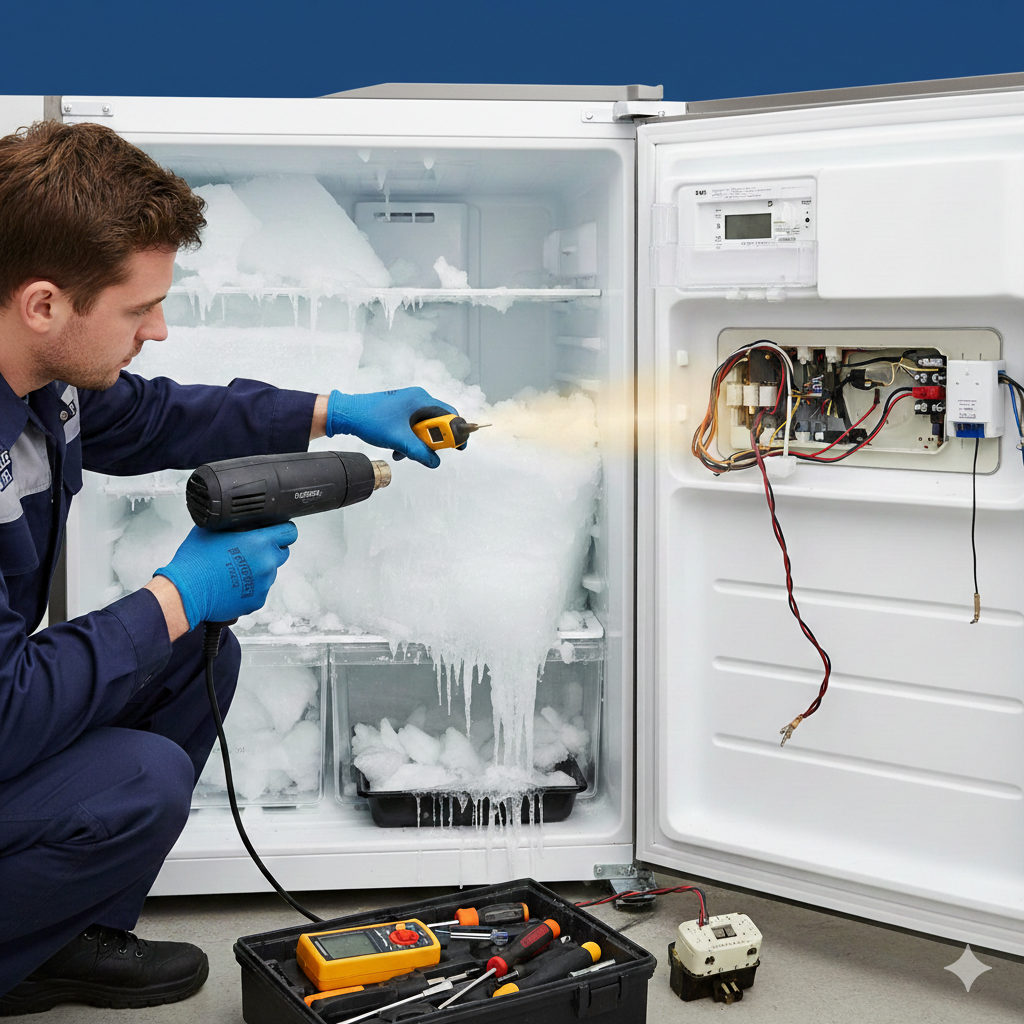
Fridge Repair Services in Dubai: How to Fix Frost Build-Up and Faulty Thermostats
Refrigerators play a vital role in every home and business in Dubai, where high temperatures make food preservation essential. When a fridge starts developing frost build-up or suffers from a faulty thermostat, it can quickly turn into a costly problem if ignored. These issues not only affect cooling performance but also increase electricity consumption and…
-

How AC Repair Services in Dubai Can Reduce High Electricity Consumption
Living in Dubai means relying heavily on air conditioning for most of the year. With extreme temperatures and long summers, AC systems often run for hours without a break. While this ensures comfort, it also leads to one major concern for residents and businesses alike — high electricity consumption. Many people are surprised when they…