
Opening Hook
It was a sweltering July afternoon when Ahmed’s refrigerator suddenly stopped cooling. With melting ice cream in the freezer and vegetables wilting by the hour, he quickly called a technician. After a short inspection, the technician explained that the fridge needed a gas refill. “Do you want R134a or R600a?” he asked casually. Ahmed froze—not because of the cold, but because he had no idea what those letters and numbers meant.
If you’ve ever been in Ahmed’s shoes, you know the confusion. Refrigerator gases sound like something only engineers should worry about, but in reality, choosing the right one can affect your appliance’s performance, electricity bill, and even the environment.
Why Fridge Gas Matters More Than You Think
At the heart of every refrigerator lies a cooling cycle, and refrigerant gas is the star of the show. This gas absorbs heat from inside the fridge and releases it outside, keeping your food fresh. Without it, your refrigerator is just a bulky cupboard with a light bulb.

Furthermore, the type of gas inside your fridge determines how energy-efficient it will be, how eco-friendly it is, and even how long your appliance will last. That’s why understanding the difference between R134a and R600a—the two most common refrigerants in household fridges today—is essential.
Meet R134a – The Longtime Player
R134a, also known as tetrafluoroethane, has been widely used in refrigerators since the 1990s. It replaced older refrigerants like R12, which were harmful to the ozone layer.
- Advantages:
- Reliable and proven over decades.
- Less flammable compared to some alternatives.
- Suitable for larger cooling systems.
For instance, if you’ve bought a fridge in the early 2000s, chances are it runs on R134a. Many technicians are familiar with it, and spare parts are easily available.
- Disadvantages:
- Higher global warming potential (GWP) compared to R600a.
- Consumes more electricity, meaning higher utility bills.
- Less efficient in terms of cooling speed.
As a result, while R134a is still in use, it is slowly being phased out in favor of more eco-friendly alternatives.
Meet R600a – The Modern Choice
R600a, also called isobutane, is the newer, greener refrigerant that’s becoming the industry standard.
- Advantages:
- Extremely energy-efficient, lowering electricity bills.
- Eco-friendly, with very low GWP.
- Performs better in small to medium household refrigerators.
Take Mariam’s case: she upgraded her old fridge to a newer R600a model and immediately noticed a drop in her monthly electricity bill. The fridge also cooled faster and ran more quietly, making her kitchen feel calmer.
- Disadvantages:
- Flammable, which means technicians need to handle it carefully.
- Not always compatible with older refrigerator models.
- Spare parts and repair expertise may sometimes cost more in regions where R134a is still dominant.
In contrast to R134a, R600a shines in modern energy-conscious households, especially in urban apartments where space and bills matter.
Energy Efficiency: A Tale of Two Gases
If we compare the two purely on efficiency, R600a takes the lead. It requires less refrigerant to do the same job, meaning the compressor doesn’t work as hard.

For instance, studies show that refrigerators running on R600a consume up to 30% less energy than those using R134a. Over a year, that translates to significant savings—especially in hot climates like Dubai or Karachi, where fridges are always running at full capacity.
As a result, R600a is often marketed as the “eco-friendly” and “cost-saving” choice for households.
Environmental Impact: The Bigger Picture
While efficiency affects your wallet, environmental impact affects us all.
- R134a: Though it doesn’t harm the ozone layer, it has a high global warming potential—over 1,400 times that of carbon dioxide.
- R600a: Its GWP is just 3, making it a far cleaner option for the environment.
In an age where climate change is a pressing concern, more manufacturers are shifting to R600a. It’s not just about saving energy bills anymore—it’s about reducing the household’s carbon footprint.
Safety Concerns – Should You Worry About R600a’s Flammability?
The biggest hesitation many people have about R600a is its flammability. After all, who wants a “flammable” gas inside their kitchen appliance?
Here’s the truth: the amount of R600a inside a fridge is tiny (usually less than 150 grams), and refrigerators are designed with strict safety standards. Unless the fridge is severely damaged or mishandled during repair, the risk is extremely low.
Furthermore, technicians today are trained to handle R600a safely. It’s like having cooking gas in your home—potentially dangerous in theory, but perfectly safe when used correctly.
Which Gas is More Affordable?
Cost is always a deciding factor. At first glance, R134a may appear cheaper because it’s been around longer, and many technicians keep it in stock.
However, the long-term costs tell a different story:
- R134a fridges consume more electricity, leading to higher monthly bills.
- R600a fridges may have slightly higher upfront or repair costs, but they save money over the appliance’s lifespan.
For example, Ali in Jumeirah Lake Towers switched to an R600a fridge and noticed his electricity bill dropped by nearly AED 40 per month. Over two years, those savings more than covered the price difference in repairs.
Choosing Between R134a and R600a – Which One is Right for You?
Here’s a simple way to decide:
- Choose R134a if:
- You own an older fridge model not designed for R600a.
- You prefer lower upfront repair costs.
- You live in an area where technicians are more experienced with R134a.
- Choose R600a if:
- You’re buying a new fridge.
- You want lower electricity bills.
- You value eco-friendliness and long-term savings.
In contrast to the “one-size-fits-all” idea, the choice really depends on your situation.
Frequently Asked Questions (FAQ)
1. What is the difference between R134a and R600a refrigerator gases?
R134a is an older refrigerant, less energy-efficient, and has a higher global warming potential. R600a is newer, more energy-efficient, eco-friendly, and uses less electricity, though it is slightly flammable and requires careful handling.
2. Is R600a safe to use in household refrigerators?
Yes. The amount of R600a in a fridge is very small (usually less than 150 grams), and refrigerators are designed with safety standards. When handled by trained technicians, the risk of fire is extremely low.
3. Which refrigerant is more energy-efficient?
R600a is significantly more energy-efficient than R134a. It consumes less electricity because the compressor works less, often reducing energy bills by up to 30%.
4. Should I choose R134a or R600a for my fridge?
- Choose R134a if you have an older fridge not compatible with R600a or want lower upfront repair costs.
- Choose R600a if you are buying a new fridge, want lower electricity bills, and care about eco-friendliness.
5. Why does the choice of refrigerant matter for the environment?
R134a has a high global warming potential (over 1,400 times that of CO₂), while R600a has a very low GWP (3). Using R600a helps reduce household carbon footprint and is better for the planet.
Closing Thoughts
Back to Ahmed’s story—when the technician asked him, “R134a or R600a?” he paused. After a quick explanation about efficiency and environmental impact, Ahmed chose R600a. Months later, his fridge was running quietly, his electricity bill had dropped, and he felt good about making a greener choice.
At the end of the day, both R134a and R600a can keep your fridge cold. The difference lies in efficiency, environmental impact, and long-term cost. R134a may have served households faithfully for decades, but R600a is the future—quieter, cheaper to run, and better for the planet.
So the next time you’re faced with the refrigerant question, remember: it’s not just about cooling your groceries—it’s about cooling them smartly, sustainably, and affordably.
Latest Post:
-

Dishwasher Repair Services for Loud Noises: Causes, Fixes & When to Call Experts
A dishwasher should make a steady, low hum while running. If yours suddenly starts grinding, rattling, buzzing, or screeching, it’s a clear sign something isn’t right. Strange sounds are often the first warning that an internal component is loose, blocked, or wearing out. Ignoring the noise may lead to bigger and more expensive damage later.…
-
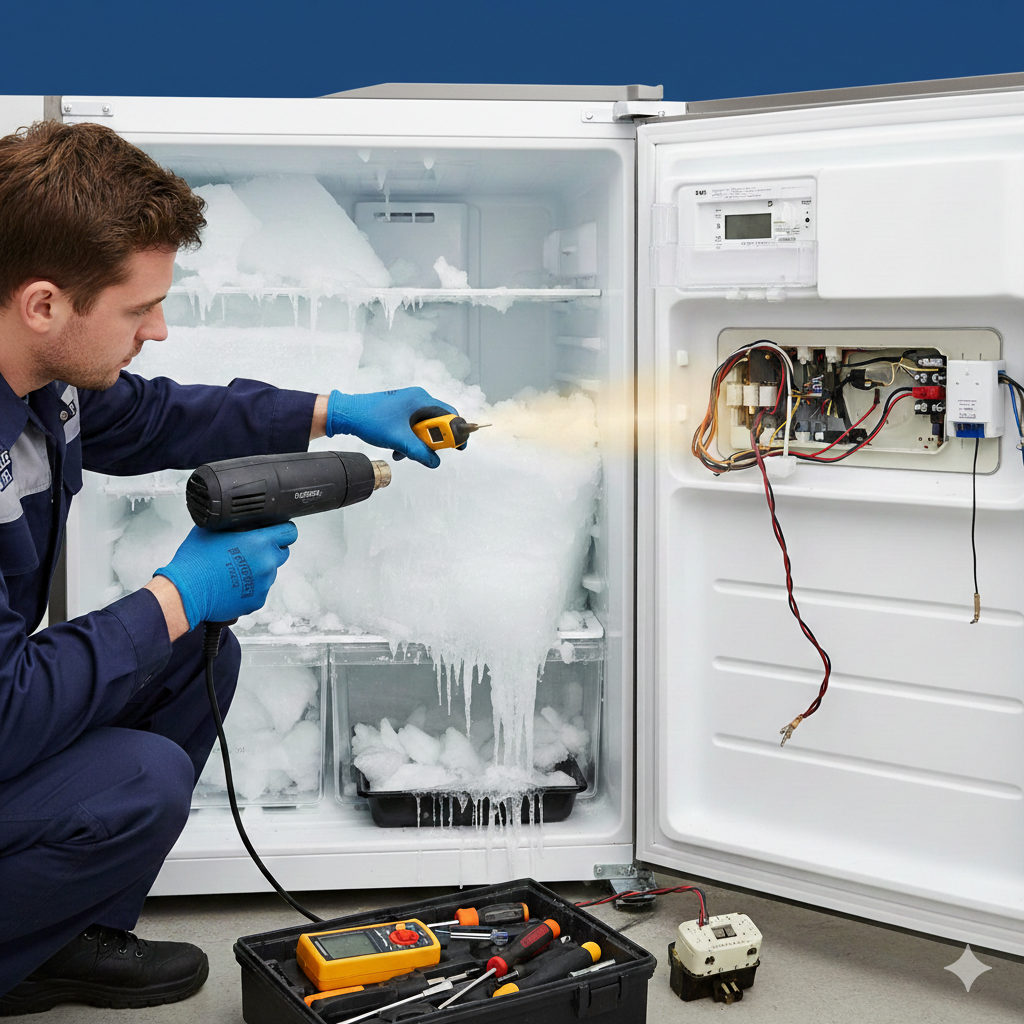
Fridge Repair Services in Dubai: How to Fix Frost Build-Up and Faulty Thermostats
Refrigerators play a vital role in every home and business in Dubai, where high temperatures make food preservation essential. When a fridge starts developing frost build-up or suffers from a faulty thermostat, it can quickly turn into a costly problem if ignored. These issues not only affect cooling performance but also increase electricity consumption and…
-
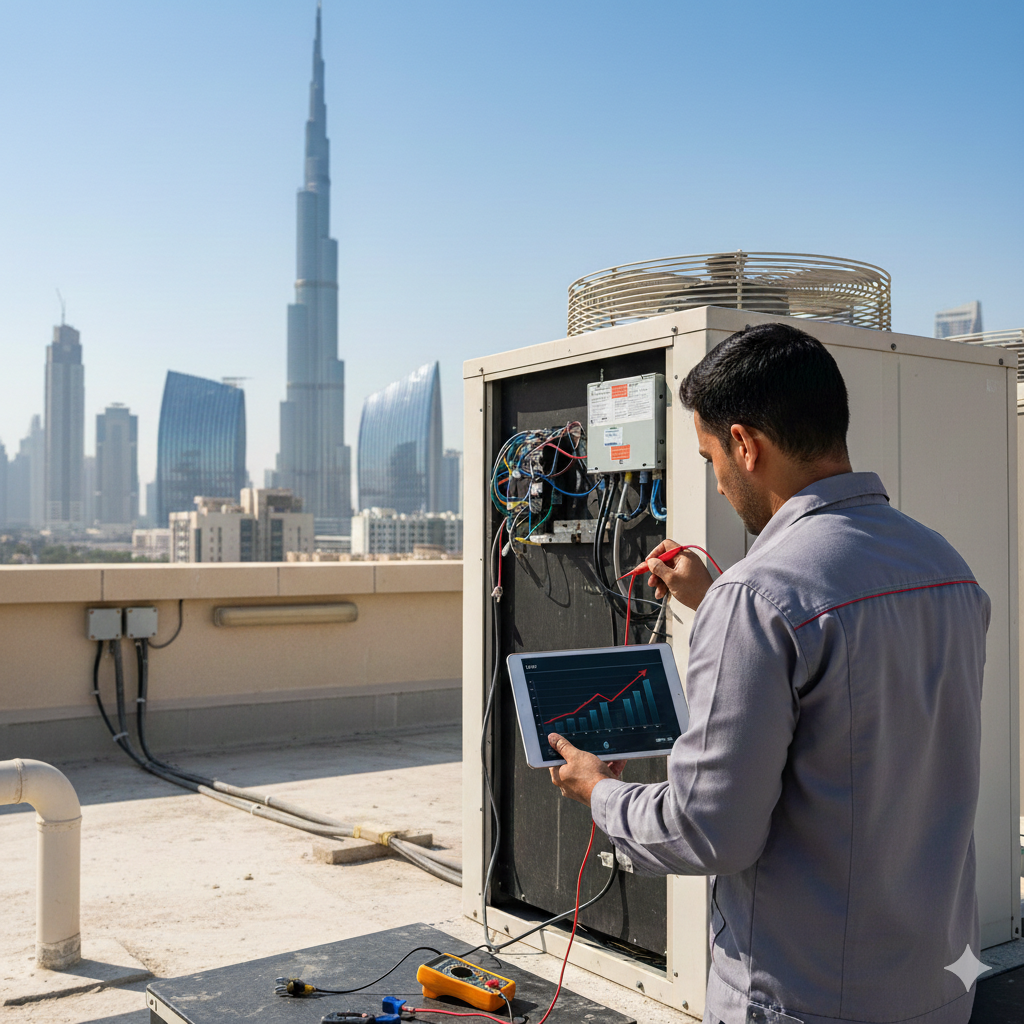
How AC Repair Services in Dubai Can Reduce High Electricity Consumption
Living in Dubai means relying heavily on air conditioning for most of the year. With extreme temperatures and long summers, AC systems often run for hours without a break. While this ensures comfort, it also leads to one major concern for residents and businesses alike — high electricity consumption. Many people are surprised when they…