
Opening Hook
Imagine this: it’s a hot summer afternoon in Dubai. You walk over to your fridge for a cold glass of water—only to find it isn’t cooling. The milk smells sour, the vegetables look wilted, and the ice has melted into a puddle. You’re left frustrated, asking yourself: How did this happen when my fridge is only a few years old?
The truth is, refrigerators don’t just fail overnight. More often, they break down because of small mistakes we make every day—habits that seem harmless but quietly shorten the life of one of the most important appliances in our homes.
Let’s explore the 7 common mistakes that can wear down your fridge faster than you realize, and how you can avoid them.
1. Overloading the Fridge
Many people treat the fridge as if it’s a storage room—stacking every shelf with leftovers, drinks, and groceries. But overloading blocks airflow, forcing the motor to work harder just to keep things cool.

For instance, a family in Al Satwa complained that their “brand-new fridge” stopped cooling after only two years. When the technician arrived, he found it packed so tightly that the cold air couldn’t circulate.
Tip: Keep space between items to allow proper airflow. A good rule is to keep the fridge about 70–80% full.
2. Ignoring Dirty Coils
The coils at the back or underneath your fridge are like its lungs—they release heat so the machine can cool properly. When these coils get covered in dust, hair, or grease, the fridge has to work twice as hard.
Furthermore, this strain not only increases electricity bills but also shortens the compressor’s life. A technician once showed a tenant in Al Barsha how her coils were covered in thick dust. After cleaning, she noticed her fridge cooled faster and her DEWA bill dropped.
Tip: Clean the coils every 3–6 months with a vacuum or soft brush.
3. Setting the Wrong Temperature
Some people crank their fridge temperature to the coldest setting, believing it keeps food fresher. In contrast, others leave it too high, thinking it saves electricity. Both extremes stress the fridge.
The ideal setting is around 37–40°F (3–4°C) for the fridge and 0°F (-18°C) for the freezer. Running colder than that wastes energy, while warmer risks food spoilage.
For example, one café owner in Downtown Dubai thought colder meant better. Instead, his compressor wore out early, and food still spoiled because frost buildup blocked air circulation.
Tip: Use a fridge thermometer to monitor settings.
4. Leaving the Door Open Too Long
We’ve all stood in front of the fridge, staring blankly, deciding what to eat. But each second the door stays open, warm air rushes in, forcing the fridge to cool all over again.
As a result, frequent door opening strains the motor and increases electricity bills. Parents often complain about kids who “fridge browse” endlessly, unaware that it’s slowly hurting the appliance.
Tip: Decide what you want before opening the door. Encourage kids to do the same.
5. Not Defrosting or Cleaning the Freezer
Ice buildup might look harmless, but it’s one of the most common culprits behind reduced efficiency. A thick layer of frost blocks air circulation and makes the motor work harder.
For instance, a resident in Al Quoz had a freezer so iced up that the door wouldn’t close properly. This constant air leakage meant the compressor never stopped running, eventually burning it out.
Tip: If your fridge isn’t frost-free, defrost it whenever ice gets thicker than 1/4 inch (about 6 mm).
6. Ignoring Strange Noises or Leaks
A fridge usually gives warning signs before it breaks down—buzzing, humming, or water pooling underneath. Unfortunately, many people ignore these signals until the damage is severe.
In contrast, a quick check or call to a technician could prevent a costly breakdown. One Al Barari family learned this the hard way: they ignored a clicking noise for weeks, assuming it was “normal.” Eventually, the compressor failed—a repair far more expensive than fixing the initial issue.
Tip: Pay attention to unusual sounds or leaks. Early fixes save money and extend the fridge’s life.
7. Skipping Regular Maintenance
Like cars, fridges need care. Many homeowners think once it’s plugged in, it should run forever. But without regular cleaning, part checks, and servicing, small issues build up.
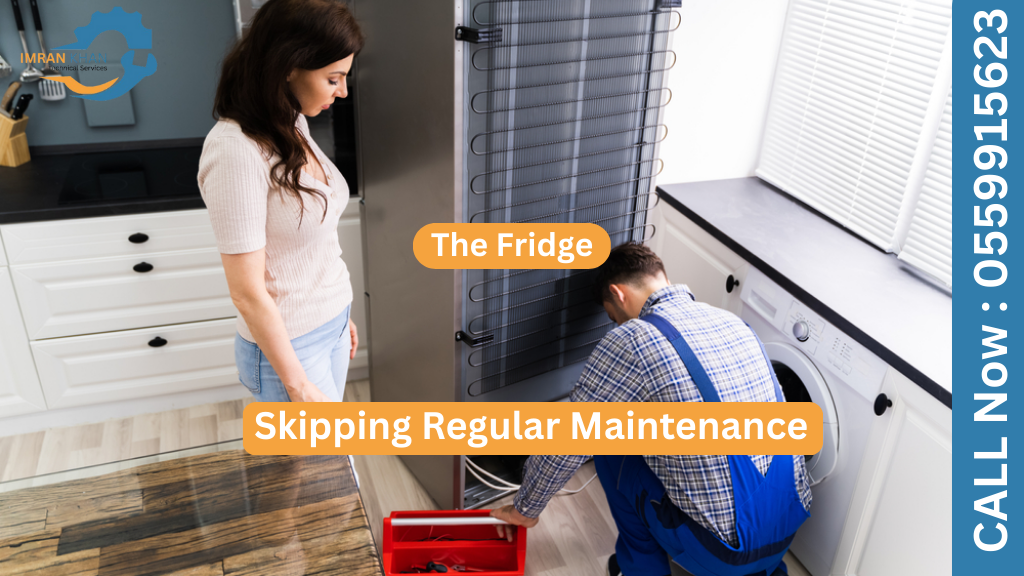
For example, a local repair company noted that most fridge breakdowns in Dubai could have been avoided with simple maintenance—cleaning coils, checking seals, and monitoring temperatures.
Furthermore, regular servicing not only extends the fridge’s life but also improves efficiency, saving on electricity bills.
Tip: Schedule professional maintenance once a year, especially in hot climates like Dubai where fridges work harder.
Bonus Mistake: Poor Placement
Though often overlooked, where you place your fridge matters. Putting it near ovens, stoves, or direct sunlight forces it to work harder against external heat. Similarly, placing it flush against the wall blocks ventilation.
Tip: Keep at least a few inches of space around your fridge and avoid heat-prone spots.
Bringing It All Together
Your fridge isn’t just another appliance—it’s the silent guardian of your family’s food, health, and comfort. Yet, small daily habits can quietly cut its lifespan in half.
To recap, the 7 mistakes that shorten your fridge’s life are:
- Overloading it
- Ignoring dirty coils
- Setting the wrong temperature
- Leaving the door open too long
- Skipping defrosting/cleaning
- Ignoring noises or leaks
- Neglecting regular maintenance
Avoiding these mistakes doesn’t require big investments—just awareness and small adjustments in how you use your fridge.
FAQ – Extending the Life of Your Fridge in Dubai
1. What are the most common mistakes that shorten a fridge’s lifespan?
The biggest culprits include overloading the fridge, ignoring dirty coils, setting incorrect temperatures, leaving the door open too long, skipping defrosting or cleaning, ignoring strange noises or leaks, and neglecting regular maintenance.
2. How often should I clean the fridge coils, and why?
Coils should be cleaned every 3–6 months. Dust and grease buildup make the fridge work harder, increase electricity bills, and can shorten the compressor’s life.
3. Can the fridge stop cooling properly if I set the temperature incorrectly?
Yes. Setting the fridge too cold wastes energy and can cause frost buildup, while setting it too warm risks food spoilage. The ideal settings are around 37–40°F (3–4°C) for the fridge and 0°F (-18°C) for the freezer.
4. When should I call a technician instead of trying to fix it myself?
Call a professional if your fridge makes unusual noises, leaks water, fails to cool, or if parts like the compressor or motor seem faulty. Early professional checks can prevent expensive repairs later.
5. How can I prevent future fridge breakdowns?
Regular maintenance is key: clean coils, check door seals, defrost when needed, monitor temperature, avoid overloading, and keep the fridge away from heat sources. Scheduling professional servicing once a year is especially important in Dubai’s hot climate.
Closing Thoughts
Next time you open your fridge door, think about whether you’re helping it live longer or unknowingly shortening its life. With just a little care—keeping coils clean, setting the right temperature, and calling for timely repairs—you can make your fridge last years longer, saving both money and stress.
Because at the end of the day, a well-maintained fridge isn’t just about convenience—it’s about peace of mind, knowing that the heart of your kitchen is working reliably, day after day.
Latest Post:
-

Dishwasher Repair Services for Loud Noises: Causes, Fixes & When to Call Experts
A dishwasher should make a steady, low hum while running. If yours suddenly starts grinding, rattling, buzzing, or screeching, it’s a clear sign something isn’t right. Strange sounds are often the first warning that an internal component is loose, blocked, or wearing out. Ignoring the noise may lead to bigger and more expensive damage later.…
-
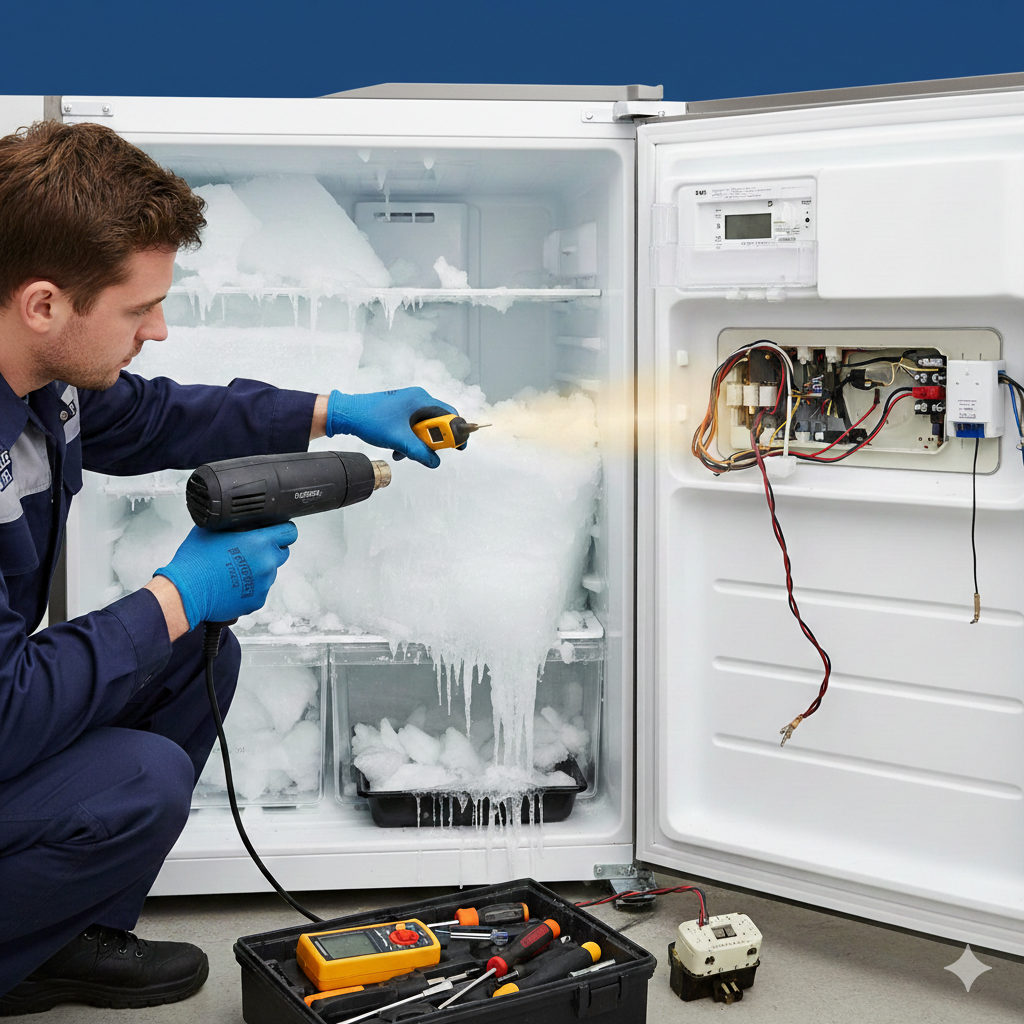
Fridge Repair Services in Dubai: How to Fix Frost Build-Up and Faulty Thermostats
Refrigerators play a vital role in every home and business in Dubai, where high temperatures make food preservation essential. When a fridge starts developing frost build-up or suffers from a faulty thermostat, it can quickly turn into a costly problem if ignored. These issues not only affect cooling performance but also increase electricity consumption and…
-

How AC Repair Services in Dubai Can Reduce High Electricity Consumption
Living in Dubai means relying heavily on air conditioning for most of the year. With extreme temperatures and long summers, AC systems often run for hours without a break. While this ensures comfort, it also leads to one major concern for residents and businesses alike — high electricity consumption. Many people are surprised when they…