
Opening Hook
It was a sweltering summer afternoon when Ahmed opened his fridge in Dubai, only to find his milk lukewarm and vegetables on the verge of spoiling. Frustrated, he muttered, “Not again!” His fridge seemed to be working overtime, humming loudly, yet failing to keep things cool. The technician he later called gave him a surprising answer: the problem wasn’t the motor, the thermostat, or even the refrigerant—it was the dusty coils hiding at the back of his fridge.
This often-overlooked detail is one of the most common reasons refrigerators underperform or consume more energy. And the good news? Cleaning your fridge coils is one of the simplest DIY maintenance tasks that can save you from hefty repair bills and high electricity costs.
Why Fridge Coils Matter
To understand why coils are so important, picture this: your fridge works like a marathon runner. It needs to release heat efficiently to keep going strong. The coils, located either behind or underneath the appliance, act as the runner’s sweat glands—helping release the heat that builds up inside.
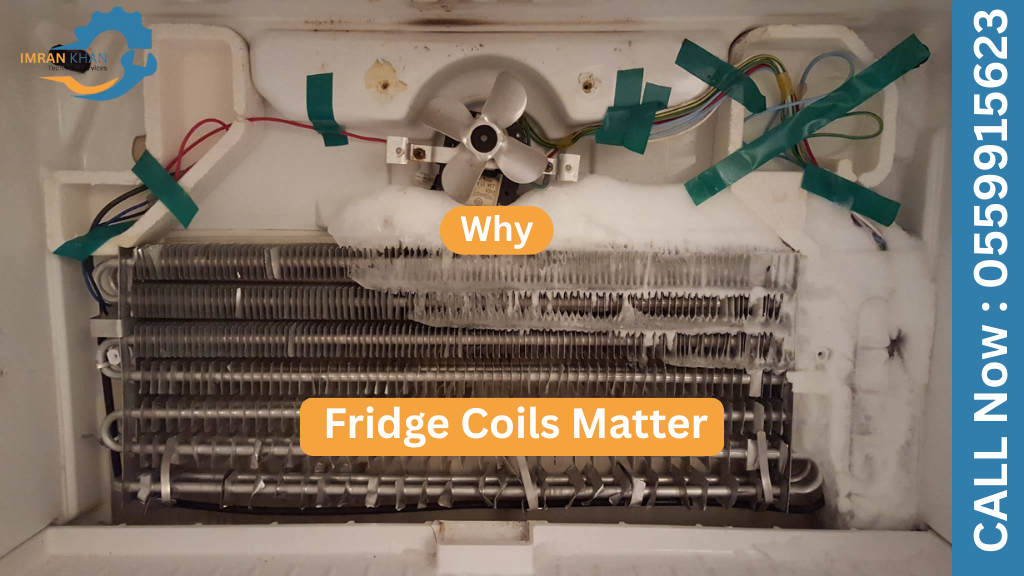
When coils are covered in dust, pet hair, or kitchen grease, they can’t do their job. As a result, your fridge’s compressor has to work harder, leading to:
- Higher electricity bills
- Shortened appliance lifespan
- Poor cooling performance
For instance, studies show that dirty coils can increase a fridge’s energy consumption by up to 30%. That’s like paying for three fridges while only using one!
Signs Your Fridge Coils Need Cleaning
So how do you know it’s time to roll up your sleeves?
- Your fridge feels warmer inside. Food doesn’t stay as cold, even at the lowest settings.
- The motor runs constantly. You hear the humming more often than usual.
- The back of the fridge feels unusually hot.
- Your electricity bill has mysteriously spiked.
For example, Ayesha, a mother of three in Al Barsha, noticed her monthly utility bill had jumped despite no changes in usage. A quick inspection revealed thick layers of dust on her fridge coils. After cleaning, not only did her bill drop, but her fridge also started cooling more efficiently.
Step-by-Step Guide: How to Clean Fridge Coils
The process is much easier than most people think. Here’s how you can do it safely:
1. Unplug the Fridge
Safety first! Always disconnect the appliance before working on it. This prevents electrical accidents and ensures the coils aren’t running hot when you touch them.
2. Locate the Coils
- On older models, coils are usually found at the back.
- On modern models, they’re often at the bottom, behind a removable grille.
Consult your user manual if you’re unsure.
3. Vacuum the Dust
Use a vacuum cleaner with a brush attachment to gently remove dust and dirt. If you don’t have a vacuum, a soft brush or a coil-cleaning brush works well.
4. Wipe with a Damp Cloth
For stubborn grime, lightly dampen a cloth and wipe the coils. Avoid using excessive water—it can cause rust or electrical issues if it seeps into connections.
5. Clean Surrounding Areas
Don’t forget the floor underneath and behind the fridge. Dust accumulates quickly in these hidden spots.
6. Plug the Fridge Back In
Once everything is clean and dry, reconnect the power. You’ll likely notice quieter operation and improved cooling within a few hours.
How Often Should You Clean the Coils?
In most households, twice a year is ideal. However, if you live in a dusty area like Dubai or have pets that shed hair, you may need to clean them every three months.

For instance, a family in Al Quoz with two cats found themselves calling repair technicians repeatedly for cooling issues. Once they adopted quarterly coil cleaning as part of their home maintenance routine, the breakdowns stopped almost entirely.
The Benefits of Regular Coil Cleaning
The payoff for this small chore is surprisingly big.
- Lower energy bills: Clean coils help the fridge run more efficiently.
- Longer appliance life: Reducing strain on the compressor prevents early breakdowns.
- Better cooling: Food stays fresher, longer.
- Quieter operation: A clean fridge doesn’t have to work as hard, so it runs more silently.
Furthermore, regular cleaning reduces the likelihood of emergency repair calls, which often cost far more than preventive care.
Common Mistakes to Avoid
Even though coil cleaning is simple, some mistakes can do more harm than good.
- Not unplugging the fridge. Always prioritize safety.
- Using sharp objects. Don’t poke at the coils with screwdrivers or knives—you risk puncturing them.
- Forgetting the fan. Many fridges also have condenser fans that collect dust; cleaning these ensures smooth airflow.
- Neglecting frequency. Waiting years between cleanings defeats the purpose.
In contrast, using the right tools and following basic steps makes coil cleaning foolproof.
A Quick Story: From Frustration to Relief
Take the case of Bilal, who runs a small café in Al Barari. His fridge was failing to keep drinks cold, and he feared an expensive compressor replacement. Before calling for repairs, a technician suggested checking the coils. To Bilal’s surprise, they were coated in dust thick enough to form a mat. After a 20-minute cleaning session, his fridge was back to normal—saving him hundreds of dirhams in potential repair costs.
This story underlines a simple truth: sometimes, the solution to a “big” problem lies in a small, overlooked detail.
Preventive Tips for the Future
Cleaning coils is just one part of keeping your fridge healthy. Here are some additional preventive measures:
- Keep at least 2–3 inches of space between the fridge and the wall for proper airflow.
- Store the fridge away from heat sources like ovens or direct sunlight.
- Avoid overfilling; good airflow inside also supports cooling efficiency.
- Schedule a professional check-up once a year for deep maintenance.
FAQ: Fridge Coil Cleaning and Maintenance
1. Why are fridge coils important?
Fridge coils release heat from the appliance. When they’re covered in dust, pet hair, or grease, the compressor works harder, leading to higher electricity bills, poor cooling, and a shorter lifespan for the fridge.
2. How do I know if my fridge coils need cleaning?
Signs include warmer-than-usual fridge temperatures, constantly running motors, unusual heat at the back of the fridge, and a sudden increase in electricity bills.
3. How do I safely clean fridge coils?
Unplug the fridge first, locate the coils (back or bottom), vacuum dust with a brush attachment, wipe stubborn dirt with a damp cloth, clean surrounding areas, and then plug the fridge back in. Avoid sharp tools and excessive water.
4. How often should I clean fridge coils?
For most households, twice a year is ideal. In dusty environments or homes with pets, every 3 months is recommended to maintain optimal performance.
5. What are the benefits of regular coil cleaning?
Regular cleaning lowers energy bills, improves cooling efficiency, extends the appliance’s lifespan, reduces noise, and decreases the likelihood of costly emergency repairs.
Closing Thoughts
Think of your fridge as the silent workhorse of your kitchen. Day in and day out, it runs nonstop to preserve your food, save you trips to the market, and keep life convenient. Yet, many of us forget the simple care it needs to stay in top shape.
Cleaning fridge coils may not sound glamorous, but it’s one of the smartest, most cost-effective maintenance steps you can take. It saves money, prevents breakdowns, and ensures your fridge performs at its best—even on the hottest summer days.
So, the next time you hear your fridge humming louder than usual or notice your groceries spoiling too quickly, ask yourself: When was the last time I cleaned the coils? A few minutes of effort today could save you from big expenses tomorrow.
Latest Post:
-

Dishwasher Repair Services for Loud Noises: Causes, Fixes & When to Call Experts
A dishwasher should make a steady, low hum while running. If yours suddenly starts grinding, rattling, buzzing, or screeching, it’s a clear sign something isn’t right. Strange sounds are often the first warning that an internal component is loose, blocked, or wearing out. Ignoring the noise may lead to bigger and more expensive damage later.…
-
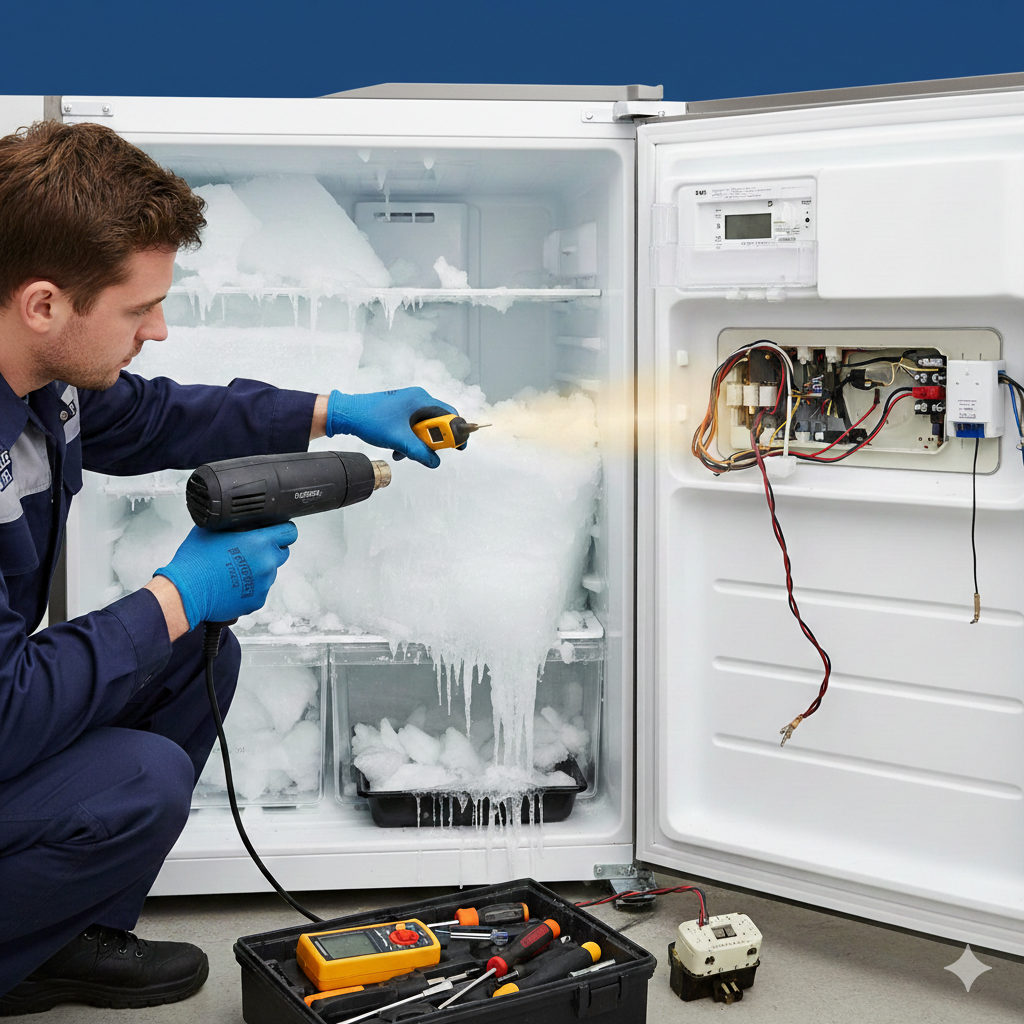
Fridge Repair Services in Dubai: How to Fix Frost Build-Up and Faulty Thermostats
Refrigerators play a vital role in every home and business in Dubai, where high temperatures make food preservation essential. When a fridge starts developing frost build-up or suffers from a faulty thermostat, it can quickly turn into a costly problem if ignored. These issues not only affect cooling performance but also increase electricity consumption and…
-

How AC Repair Services in Dubai Can Reduce High Electricity Consumption
Living in Dubai means relying heavily on air conditioning for most of the year. With extreme temperatures and long summers, AC systems often run for hours without a break. While this ensures comfort, it also leads to one major concern for residents and businesses alike — high electricity consumption. Many people are surprised when they…