Opening Hook
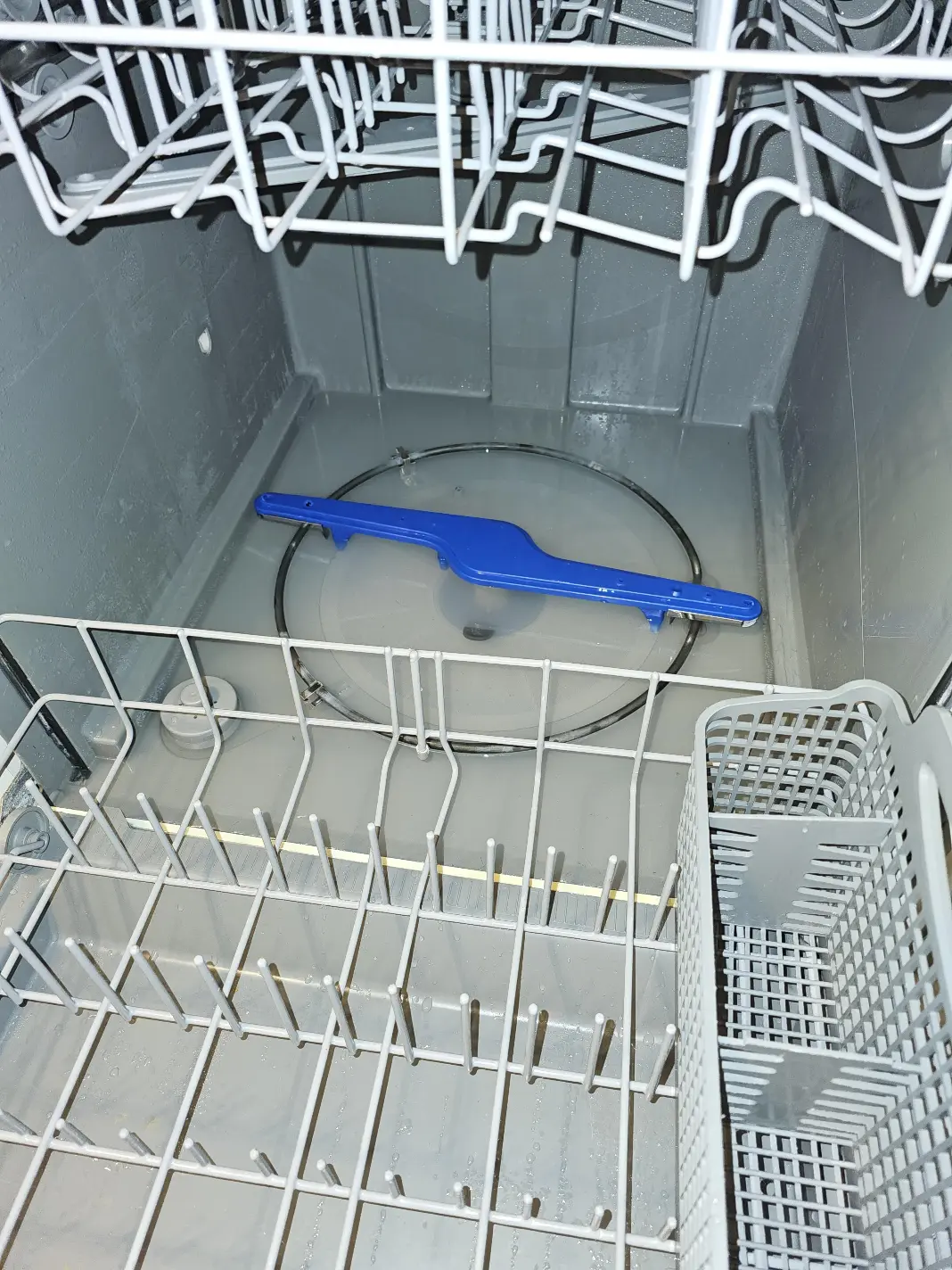
Sara had just finished hosting a lively family dinner in Dubai. After hours of cooking, the last thing she wanted was to face a mountain of dirty dishes. She loaded everything into her trusty dishwasher, pressed the start button, and finally sank into the sofa with relief. But a few hours later, when she opened the dishwasher, her relief turned into dismay: a pool of murky water sat at the bottom, and the dishes were still covered in food particles. What went wrong?
If you’ve ever faced a similar scenario, you know how frustrating it feels when a dishwasher doesn’t drain properly or fails to spray water effectively. While these machines save time and effort, they can turn into a headache when they malfunction. Let’s dive into the causes, real-life examples, and practical solutions for these two common dishwasher problems.
Why Dishwashers Stop Draining Properly
The most common issue homeowners face is stagnant water at the bottom of the machine. But why does this happen?
- Clogged Filters
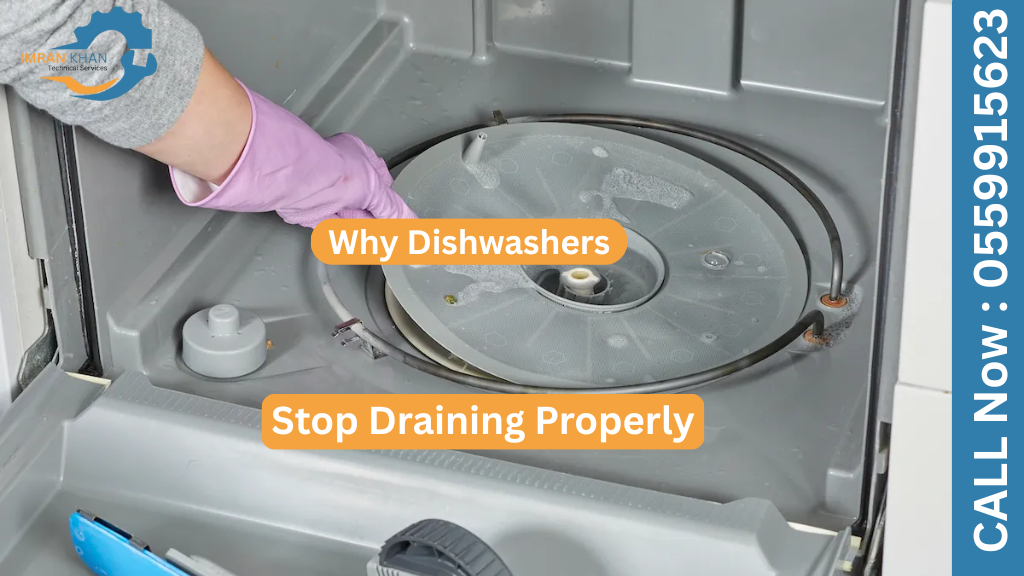
Dishwashers have filters that trap food debris. When these aren’t cleaned regularly, they clog up, preventing water from draining. For instance, a couple in Silicon Oasis noticed their dishwasher smelled foul. A technician later discovered the filter was so packed with food particles it looked like wet compost. Cleaning it instantly fixed the problem. - Blocked Drain Hose
The drain hose carries wastewater out of the dishwasher. Over time, grease, soap scum, or even small food scraps can build up inside. Furthermore, if the hose is kinked or bent, it prevents proper flow. - Faulty Pump
The drain pump is responsible for pushing water out. If it’s damaged or blocked by debris, water will stay put. Sometimes, small objects like olive pits or glass shards can jam the pump impeller.
Why Dishwashers Spray Improperly
On the other side of the problem is poor spraying. You may notice dishes coming out dirty, soap residue left behind, or uneven cleaning. This usually points to water flow issues.
- Clogged Spray Arms
Spray arms distribute water during the wash cycle. Tiny holes in these arms can get blocked with food or mineral deposits, especially in hard-water areas like Dubai. As a result, water pressure drops, and the dishwasher sprays poorly. - Low Water Pressure
If the water supply line feeding the dishwasher has low pressure or a partial blockage, the machine won’t receive enough water to spray effectively. - Faulty Inlet Valve
The inlet valve controls how much water enters the dishwasher. A malfunctioning valve can lead to insufficient water inside, leaving dishes half-cleaned.
The Connection Between Draining and Spraying
Interestingly, these two issues often overlap. If your dishwasher can’t drain properly, leftover dirty water may recirculate during the next cycle. As a result, even if the spray arms work, they’re spraying dirty water rather than clean.
DIY Fixes You Can Try First
Before calling a technician, there are a few safe steps you can try at home:
- Clean the Filter: Remove the bottom rack, twist out the filter, and rinse it under hot water. Use a toothbrush to scrub off stubborn debris.
- Check Spray Arms: Remove them (they usually pop out easily) and run water through the holes. If blocked, use a toothpick to unclog them.
- Inspect the Drain Hose: Ensure it isn’t kinked. If you suspect a clog, disconnect it carefully and flush it with hot water.
- Run a Vinegar Cycle: Place a cup of white vinegar in the top rack and run a hot cycle. This helps dissolve grease and mineral buildup.
For instance, one homeowner in Jumeirah noticed their dishwasher wasn’t cleaning glasses properly. After unclogging the spray arms with a needle, the difference was like night and day—the glasses sparkled again.
When to Call a Professional
Of course, DIY has its limits. If the pump, inlet valve, or motor is faulty, professional repair becomes essential. Attempting to fix these components without training can lead to further damage—or even electrical hazards.
In contrast, a trained technician can diagnose issues quickly with proper tools. As a result, what could take you hours of guesswork may be fixed in a single service call.
Take the story of Ali, a restaurant owner in Deira. His industrial dishwasher stopped draining just before lunch service. A professional quickly identified a burnt-out drain pump, replaced it, and had the machine working in under two hours. Without expert help, Ali might have lost an entire day of business.
Preventing Future Dishwasher Troubles
The best repair is prevention. By adopting a few habits, you can avoid drainage and spraying problems altogether:

- Scrape (Don’t Rinse) Plates: Remove large food chunks before loading, but don’t fully rinse—modern dishwashers work better with a bit of residue.
- Clean Filters Weekly: It takes just two minutes but prevents major clogs.
- Check Spray Arms Monthly: Especially in hard-water areas where mineral buildup is common.
- Run Hot Cycles with Vinegar: Every few months, this keeps the interior fresh and clear of grease.
- Professional Maintenance: An annual inspection can catch small problems before they become costly repairs.
The Hidden Cost of Ignoring the Problem
Some homeowners think, “It’s just a little water at the bottom—no big deal.” But ignoring the issue can create bigger problems. Standing water becomes a breeding ground for bacteria and mold, creating bad odors. Furthermore, water leaks caused by blockages can damage your kitchen flooring and cabinets.
Similarly, improper spraying doesn’t just mean dirty dishes—it also wastes water and electricity because you’ll end up running multiple cycles.
Frequently Asked Questions (FAQs)
1. Why is there water left at the bottom of my dishwasher after a cycle?
This usually happens due to clogged filters, a blocked drain hose, or a faulty drain pump that prevents water from draining properly.
2. Why is my dishwasher not spraying water properly?
Poor spraying is often caused by clogged spray arms, low water pressure, or a malfunctioning water inlet valve.
3. Can a clogged filter affect both draining and cleaning?
Yes, a clogged filter can stop proper drainage and cause dirty water to recirculate, leading to poor cleaning results.
4. What DIY steps can I try before calling a technician?
You can clean the filter, unclog spray arms, check the drain hose for bends or blockages, and run a vinegar cleaning cycle.
5. When should I call a professional for dishwasher repair?
If cleaning doesn’t fix the issue or if the problem involves the drain pump, inlet valve, motor, or electrical parts, professional repair is recommended.
Closing: Solving the Dishwasher Dilemma
So, what should Sara have done when she found her dishwasher full of murky water? The answer lies in understanding the problem. Sometimes, it’s as simple as cleaning a clogged filter. Other times, it requires professional help to repair a faulty pump or valve.
The key takeaway is this: a dishwasher that doesn’t drain or spray properly is sending you a warning. Ignoring it will only make things worse. With a mix of regular maintenance and timely professional repairs, you can keep your dishwasher running smoothly—and ensure that post-dinner relaxation isn’t spoiled by dirty dishes.
Next time you hear that unsettling gurgle or see water standing at the bottom, don’t panic. Instead, see it as your dishwasher’s way of asking for a little care. After all, it’s one of the hardest-working helpers in your home—and it deserves attention to keep making your life easier.
Latest Post:

Strange AC Noise Fix: Complete AC Sound Problem Solution Guide
Certified Experts Same Day Service 24/7 Emergency Support 5000+ Happy Customers Google Rated Business Strange AC Noise Fix: Complete AC Sound Problem Solution Guide Home Is your AC making strange noises? While some sounds are normal during operation, unusual noises such as buzzing, rattling, clicking, banging, or hissing can indicate underlying problems that need attention.…

Washing Machine Not Cleaning Clothes? Expert & Technician
Washing Machine Not Cleaning Clothes? Causes, Fixes & Expert Repair Guide Home Certified Experts Same Day Service 24/7 Emergency Support 5000+ Happy Customers Google Rated Business A washing machine is designed to make laundry easier, but when it stops cleaning clothes properly, it can quickly become frustrating. If your clothes come out with stains, detergent…

Dishwasher Not Finishing Wash Cycle? Complete Guide & Quick Fixes
Dishwasher Not Finishing Wash Cycle? Causes, Fixes & Repair Guide Home Certified Experts Same Day Service 24/7 Emergency Support 5000+ Happy Customers Google Rated Business A dishwasher that stops before completing its wash cycle can be frustrating and inconvenient. Instead of clean dishes, you’re left with dirty plates, standing water, or a machine that suddenly…