Opening Hook
It was a scorching summer afternoon when Hassan opened his fridge, only to find the milk lukewarm and the ice cream melting into soup. He fiddled with the thermostat, hoping it was just a setting issue, but deep down, he knew something bigger was wrong. A neighbor told him, “Maybe your fridge just needs gas.” But then came the real dilemma: Should he try refilling the refrigerant himself or call a professional?
If you’ve ever faced a similar situation, you know the mix of panic and curiosity that comes with it. The question of DIY vs. professional fridge gas refill is more common than you’d think—and the answer isn’t always as simple as it seems.
What Does “Gas Refill” Actually Mean?
Before jumping into the debate, let’s clear up one common confusion. When people say a fridge “needs gas,” they’re talking about refrigerant—the chemical that absorbs heat inside your fridge and releases it outside, keeping food fresh and safe.
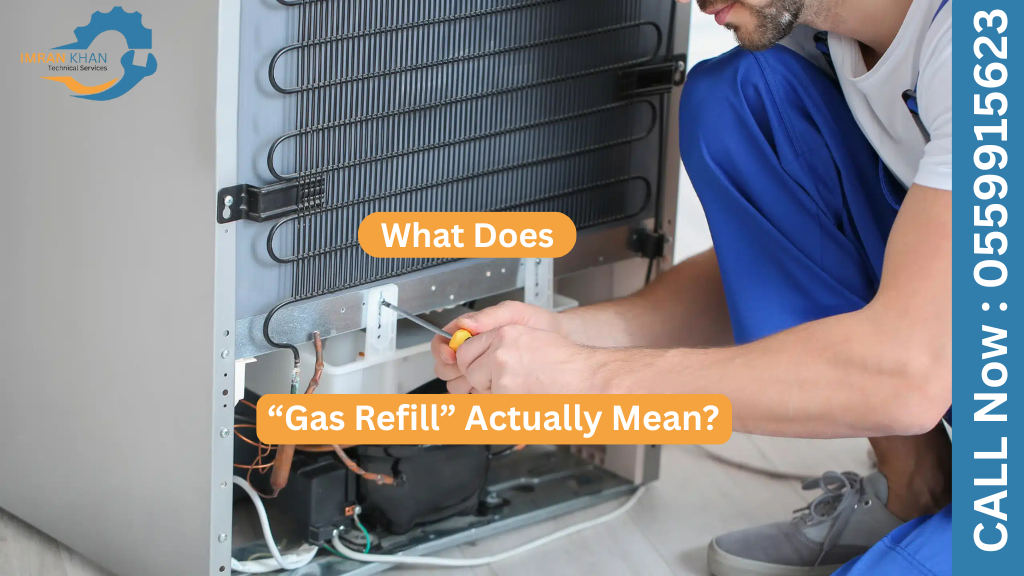
Over time, refrigerant can leak due to worn-out seals, punctured coils, or poor maintenance. When this happens, the fridge loses its cooling power. Refilling the gas sounds like a quick fix, but it’s only half the story: you also need to find and fix the leak. Otherwise, the problem will just return.
For instance, one family in Dubai noticed their fridge wasn’t cooling properly. They refilled the gas twice within six months, only to later discover that a small crack in the condenser coil was causing constant leaks. Without fixing that, the gas refills were like pouring water into a bucket with holes.
Why DIY Seems Tempting
With countless YouTube tutorials and DIY toolkits available, many homeowners think, “How hard can it be?”
- Cost Saving: A DIY refill kit may cost less upfront than hiring a technician.
- Convenience: You don’t need to schedule an appointment or wait for a service provider.
- Curiosity Factor: Some people genuinely enjoy tinkering with machines and see it as a challenge.
For example, a young bachelor in a shared apartment once boasted to his roommates that he could fix their fridge with a DIY kit he found online. And sure enough, the fridge cooled—for a week. Then the same problem returned, this time worse than before, because he accidentally damaged a valve while trying to refill.
The Risks of Doing It Yourself
Here’s where the DIY dream can quickly turn into a nightmare.
- Safety Hazards: Refrigerants are chemicals that can be harmful if inhaled or if they come in contact with skin. Mishandling them can cause burns or even breathing difficulties.
- Environmental Concerns: Releasing refrigerants into the air contributes to global warming and ozone damage. Professionals use recovery equipment to prevent leaks during repairs.
- Hidden Leaks: A DIY refill won’t solve the underlying issue. Without specialized tools, it’s nearly impossible to detect where the refrigerant is escaping.
- Legal Restrictions: In some countries, handling refrigerants without certification is against the law.
In contrast, hiring a professional ensures safety, compliance, and accuracy. As a result, the repair isn’t just a band-aid fix—it’s a long-term solution.
What Professionals Bring to the Table
When you call a certified technician for a fridge gas refill, you’re paying for more than just the refrigerant.
- Leak Detection: Professionals use electronic detectors or UV dyes to pinpoint hidden leaks.
- Proper Equipment: They have vacuum pumps, gauges, and recovery machines that DIY kits simply don’t provide.
- Correct Refrigerant Type: Fridges use different refrigerants (R-134a, R-600a, etc.). Using the wrong one can damage the compressor.
- Guaranteed Work: Most professional services come with warranties, meaning if the problem reappears, they’ll return to fix it at no extra cost.
For instance, one resident of a serviced apartment in Dubai Marina shared that after several failed DIY attempts, she finally called a technician. Not only did he fix the leak, but he also explained how to maintain the fridge better to prevent future issues. That single professional visit saved her from months of frustration.
Cost Comparison: DIY vs. Pro
Money often drives the decision. But is DIY really cheaper?
- DIY Kit: Around $40–$80, depending on the brand. But this doesn’t include tools, gauges, or leak-repair equipment.
- Professional Service: Around $100–$200, depending on location and severity of the issue.
At first glance, DIY looks cheaper. But add the cost of mistakes, repeated refills, or damaged components, and the expenses can skyrocket. As a result, the “cheap” option often ends up being more expensive.
Signs You Should Call a Professional Immediately
While some maintenance tasks like cleaning coils or defrosting can be handled at home, there are red flags that require expert attention:

- Fridge not cooling at all, even after adjusting settings.
- Unusual hissing or bubbling sounds from the back.
- Oil or chemical smell near the appliance.
- Frost buildup in unusual places inside the fridge.
- The compressor is running nonstop, but no cooling.
If you notice any of these, it’s best not to experiment. Professional intervention ensures your food safety and prevents long-term damage to the fridge.
Blending DIY and Professional Care
Interestingly, the smartest approach isn’t always choosing one over the other—it’s knowing where DIY ends and where professional help begins.
For instance:
- DIY Friendly: Cleaning coils, checking power connections, keeping the fridge level, and ensuring the door seals are tight.
- Professional Only: Gas refills, compressor issues, internal leaks, or electrical faults.
This balance allows homeowners to stay proactive with maintenance while leaving the high-risk tasks to those with training and proper tools.
Real-Life Story: A Lesson Learned the Hard Way
Consider Ramesh, a small business owner running a grocery shop. His fridge stopped cooling during peak summer, and he couldn’t afford downtime. Thinking he’d save money, he bought a DIY refill kit. The fridge cooled for a while, but then completely failed. He eventually had to replace the compressor—a repair that cost more than triple what a professional refill would have.
In contrast, his neighbor, who faced a similar problem, called a certified technician right away. The technician sealed a tiny leak and refilled the refrigerant. The fridge was back to normal in hours, with no further problems for years.
These two stories show how one decision—to DIY or hire a pro—can make the difference between a quick recovery and an expensive disaster.
Frequently Asked Questions (FAQs)
1. What does it mean when a fridge needs a gas refill?
It means the refrigerant level is low, usually due to a leak, which reduces the fridge’s ability to cool properly and keep food fresh.
2. Is it safe to refill fridge gas by myself?
No, DIY fridge gas refilling is risky because refrigerants are hazardous chemicals and require proper tools, training, and safety measures to handle safely.
3. Why does fridge gas leak in the first place?
Refrigerant leaks usually occur due to damaged coils, worn-out seals, poor installation, or long-term wear and tear of the appliance.
4. Is professional fridge gas refilling worth the cost?
Yes, professionals don’t just refill the gas—they detect and fix leaks, use the correct refrigerant, and provide warranties, making it a long-term and safer solution.
5. When should I call a technician instead of trying DIY fixes?
You should call a professional if the fridge isn’t cooling, the compressor runs nonstop, you hear hissing sounds, notice unusual smells, or see frost in abnormal areas.
Closing: So, DIY or Hire a Pro?
When it comes to a fridge gas refill, the truth is clear: while DIY may look tempting, the risks often outweigh the rewards. Refrigerant handling isn’t just about adding gas—it’s about diagnosing leaks, using the right tools, and ensuring safety for both your family and the environment.
Sure, you can—and should—take care of basic maintenance yourself. But when the issue points to refrigerant loss, that’s when calling a professional isn’t just smarter, it’s safer.
So the next time your fridge starts warming up and someone says, “Just add some gas,” pause and think: Do you want a temporary patch or a lasting solution?
Because in the end, a fridge isn’t just another appliance—it’s what keeps your food fresh, your drinks cold, and your daily routine running smoothly. And that’s something worth protecting with professional care.
Latest Post:

Strange AC Noise Fix: Complete AC Sound Problem Solution Guide
Certified Experts Same Day Service 24/7 Emergency Support 5000+ Happy Customers Google Rated Business Strange AC Noise Fix: Complete AC Sound Problem Solution Guide Home Is your AC making strange noises? While some sounds are normal during operation, unusual noises such as buzzing, rattling, clicking, banging, or hissing can indicate underlying problems that need attention.…

Washing Machine Not Cleaning Clothes? Expert & Technician
Washing Machine Not Cleaning Clothes? Causes, Fixes & Expert Repair Guide Home Certified Experts Same Day Service 24/7 Emergency Support 5000+ Happy Customers Google Rated Business A washing machine is designed to make laundry easier, but when it stops cleaning clothes properly, it can quickly become frustrating. If your clothes come out with stains, detergent…

Dishwasher Not Finishing Wash Cycle? Complete Guide & Quick Fixes
Dishwasher Not Finishing Wash Cycle? Causes, Fixes & Repair Guide Home Certified Experts Same Day Service 24/7 Emergency Support 5000+ Happy Customers Google Rated Business A dishwasher that stops before completing its wash cycle can be frustrating and inconvenient. Instead of clean dishes, you’re left with dirty plates, standing water, or a machine that suddenly…