Opening Hook
It was supposed to be the easiest part of Ayesha’s evening—pressing the dishwasher button and letting the machine handle the mess from a family dinner. But twenty minutes later, she walked back into her kitchen and froze. A small puddle of water was spreading across the tiles like an unwelcome guest. Her first thought? The dishwasher is ruined. Her second? How much will this cost me?
If this scene sounds familiar, you’re not alone. Dishwashers are one of the most convenient kitchen helpers, but when they start leaking, it can turn an effortless routine into a frustrating mystery. The good news? Most leaks aren’t catastrophic—they’re usually caused by fixable issues. The key is knowing what to look for.
Why Dishwashers Leak: The Basics
Dishwashers work like a well-choreographed dance—water enters, sprays, washes, drains, and repeats. When that rhythm is interrupted, leaks occur. Think of it like a faucet dripping: one loose connection or worn-out part can send water exactly where it doesn’t belong—onto your floor.
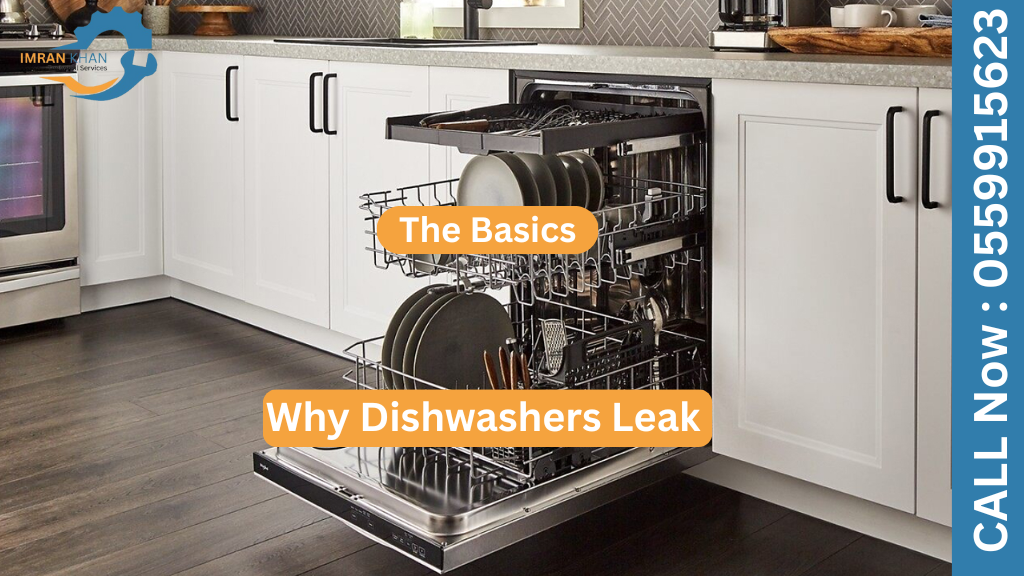
Furthermore, a leaking dishwasher isn’t always about major breakdowns. In many cases, it’s something small, like a clogged filter, a worn-out seal, or even how you load your dishes. Understanding the common culprits can save you both stress and repair costs.
1. The Door Seal Problem
One of the most common reasons for leaks is a worn-out or damaged door gasket—the rubber seal that runs along the edges of the dishwasher door. When it’s intact, it keeps water securely inside. When it cracks or wears down, water finds its way out.
For instance, Karim noticed water pooling only at the front of his dishwasher after every cycle. Upon closer inspection, he found crumbs stuck in the rubber lining. Cleaning it helped for a while, but eventually, replacing the gasket solved the problem permanently.
Tip: Run your hand along the seal. If it feels brittle, cracked, or has visible food buildup, it may need cleaning or replacement.
2. Too Much Detergent (or the Wrong Kind)
It may sound surprising, but leaks sometimes happen not because of the machine, but because of how we use it. Using regular dish soap instead of dishwasher detergent—or using too much detergent—can create excessive suds that spill out of the door.
In contrast, the correct detergent is designed to control suds and rinse clean. Imagine filling a washing machine with shampoo instead of laundry soap—the foam would overflow. The same principle applies here.
A family in Dubai Marina once called a technician, thinking their dishwasher was broken. The culprit? A teenager accidentally used liquid dish soap. The result: a bubbly flood across the kitchen floor.
3. Blocked or Clogged Filters
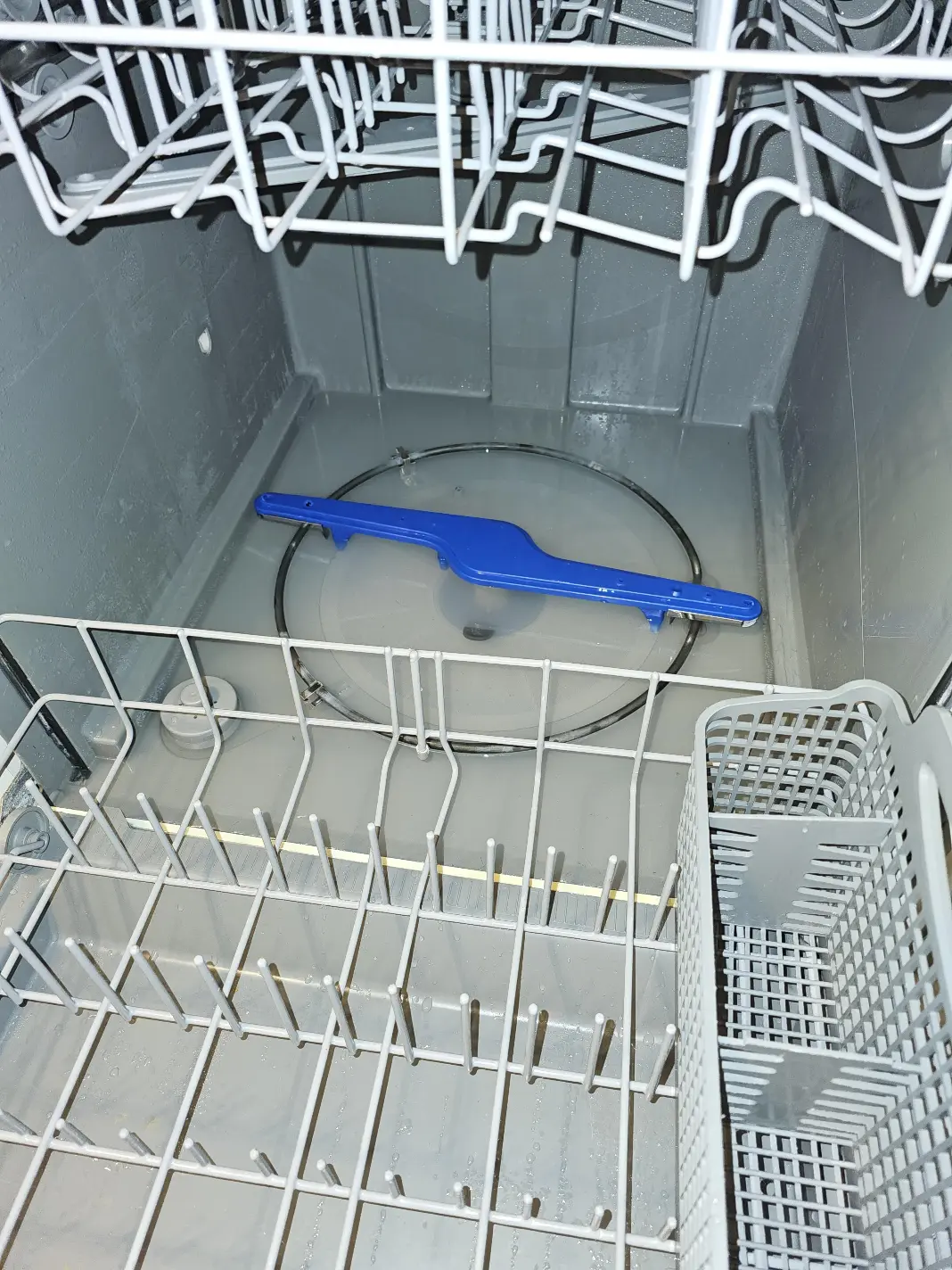
Dishwashers have filters at the bottom to trap food debris. Over time, if not cleaned, these filters get clogged. Water then backs up and escapes where it shouldn’t.
As a result, you may notice water pooling at the bottom of the dishwasher, followed by small leaks during the wash cycle.
For instance, Laila ignored her dishwasher filter for months. Eventually, the machine started leaking. When a technician checked, the filter was so clogged with pasta bits and grease that water had nowhere to drain. After a simple cleaning, the leaks stopped.
Tip: Check and clean your filter every couple of weeks. It takes five minutes but can save you from major water damage.
4. Loose or Damaged Hoses
Dishwashers rely on several hoses—one brings water in, another drains it out. If these hoses loosen or crack, leaks are inevitable.
Furthermore, leaks from hoses can be sneaky. Instead of pooling directly under the dishwasher door, the water might appear at the sides or behind the machine, making it harder to trace.
Consider Bilal’s story: after finding water near his kitchen wall, he assumed there was a plumbing issue. Turns out, the drain hose at the back of his dishwasher had a tiny crack. A quick replacement solved the problem.
5. Faulty Float Switch or Overfilling Issues
Inside every dishwasher is a float switch that acts like a traffic controller for water. Its job is to sense when the dishwasher has enough water and then shut off the supply. If the float switch malfunctions, the dishwasher keeps filling—and eventually overflows.
In contrast to slow leaks, this type of problem often results in bigger floods. Imagine leaving a tap open while your sink is plugged. The result is the same: water has nowhere to go but over the edge.
6. Poor Loading Habits
Yes, even the way you stack your plates and cups can cause leaks. Overloading or incorrectly placing large items (like trays or pots) can prevent the door from sealing properly. Water then escapes through the tiniest gaps.
For instance, Maha once packed her dishwasher with so many pans for a party cleanup that the door wouldn’t close fully. The result? Water is dripping onto her new wooden floor.
Tip: Always check that nothing blocks the spray arms or prevents the door from closing fully.
7. Worn-Out Pump or Internal Components
If your dishwasher is older, leaks may be a sign of worn-out parts such as the water pump, motor seals, or valves. These components move water through the machine. When they weaken, drips start to appear.
As a result, you might notice leaks underneath the dishwasher rather than at the front. Unlike simple gasket or filter issues, these repairs usually require professional help.
The Risks of Ignoring a Leak
It’s tempting to place a towel under the dishwasher and keep using it, but leaks should never be ignored.
- Water damage: Persistent leaks can seep into wooden floors and cabinets, causing costly damage.
- Mold growth: Damp areas become a breeding ground for mold, which can affect your health.
- Worsening problems: A minor gasket issue left unchecked can eventually lead to pump failure.
In contrast, early intervention is almost always cheaper and less stressful.
What You Can Do Before Calling a Technician
Not every leak needs professional repair. Here are simple steps you can try first:
- Wipe and inspect the door gasket.
- Make sure you’re using the correct dishwasher detergent.
- Clean the filter and drain area.
- Check for visible hose connections.
- Rearrange your dishes to avoid blocking the door or spray arms.
If the problem persists, then it’s time to call a technician.
Real-Life Stories of Quick Fixes
- The Student Apartment: A group of students in Sharjah panicked when their dishwasher flooded the kitchen. A technician found a clogged filter, fixed in 15 minutes.
- The Airbnb Host: A host in Downtown Dubai almost got a bad review because the dishwasher leaked before a guest check-in. The issue? A loose drain hose. Tightening it saved her property’s reputation.
- The Family Kitchen: In Abu Dhabi, a family’s dishwasher kept leaking until they realized their kids were using regular dish soap. Switching detergents solved it immediately.
These examples show that leaks often look scarier than they actually are.
Frequently Asked Questions (FAQ)
1. What is the most common reason a dishwasher leaks?
The most common cause is a damaged or dirty door gasket (rubber seal). When it’s worn out, cracked, or clogged with food debris, water can escape during the wash cycle.
2. Can using the wrong detergent cause my dishwasher to leak?
Yes. Using regular dish soap or too much detergent creates excess suds, which can overflow and leak out of the dishwasher. Always use detergent specifically made for dishwashers.
3. How often should I clean my dishwasher filter?
Ideally, you should clean the filter every 2–3 weeks. Regular cleaning prevents clogs that can cause water to back up and leak onto the floor.
4. Is it safe to keep using a leaking dishwasher?
No. Ignoring a leak can lead to water damage, mold growth, and more expensive repairs over time. It’s best to identify and fix the issue as soon as possible.
5. When should I call a professional technician?
If basic checks—like cleaning the filter, inspecting the door seal, or checking hoses—don’t stop the leak, or if water is leaking from underneath the machine, you should call a technician.
Closing: Paying Attention to the Drips
A leaking dishwasher might feel like a disaster, but more often than not, it’s simply your machine asking for a little care. From dirty filters to worn-out gaskets, most causes are manageable and inexpensive to fix.
The key is not to ignore the signs. That small puddle on the floor is like a whisper from your dishwasher: “Something’s not right.” Listen early, act quickly, and you’ll save yourself time, money, and frustration.
So the next time you see water creeping across your kitchen tiles, don’t panic—just investigate. Behind every leak, there’s usually a simple story waiting to be solved.
Latest Post:

Strange AC Noise Fix: Complete AC Sound Problem Solution Guide
Certified Experts Same Day Service 24/7 Emergency Support 5000+ Happy Customers Google Rated Business Strange AC Noise Fix: Complete AC Sound Problem Solution Guide Home Is your AC making strange noises? While some sounds are normal during operation, unusual noises such as buzzing, rattling, clicking, banging, or hissing can indicate underlying problems that need attention.…

Washing Machine Not Cleaning Clothes? Expert & Technician
Washing Machine Not Cleaning Clothes? Causes, Fixes & Expert Repair Guide Home Certified Experts Same Day Service 24/7 Emergency Support 5000+ Happy Customers Google Rated Business A washing machine is designed to make laundry easier, but when it stops cleaning clothes properly, it can quickly become frustrating. If your clothes come out with stains, detergent…

Dishwasher Not Finishing Wash Cycle? Complete Guide & Quick Fixes
Dishwasher Not Finishing Wash Cycle? Causes, Fixes & Repair Guide Home Certified Experts Same Day Service 24/7 Emergency Support 5000+ Happy Customers Google Rated Business A dishwasher that stops before completing its wash cycle can be frustrating and inconvenient. Instead of clean dishes, you’re left with dirty plates, standing water, or a machine that suddenly…