
Opening Hook:
It was a Sunday afternoon when Ali, a father of three living in Dubai, noticed something odd. His washing machine—usually a quiet workhorse—was making strange grinding sounds. The clothes didn’t smell fresh either; in fact, they carried a faint musty odor. After calling a technician, Ali learned something he had never thought about before: his washing machine filter was clogged, and it hadn’t been cleaned in over two years.
This simple oversight had caused unnecessary strain on the machine, higher electricity bills, and poorly washed laundry. The experience left him wondering—and maybe you’re wondering too: How often should you clean your washing machine filter?
1. Why the Washing Machine Filter Matters
The filter in your washing machine may be small, but it plays a big role. Its job is to trap lint, dirt, coins, hair, and other debris so that they don’t clog the drain pump or cycle back into your clothes.
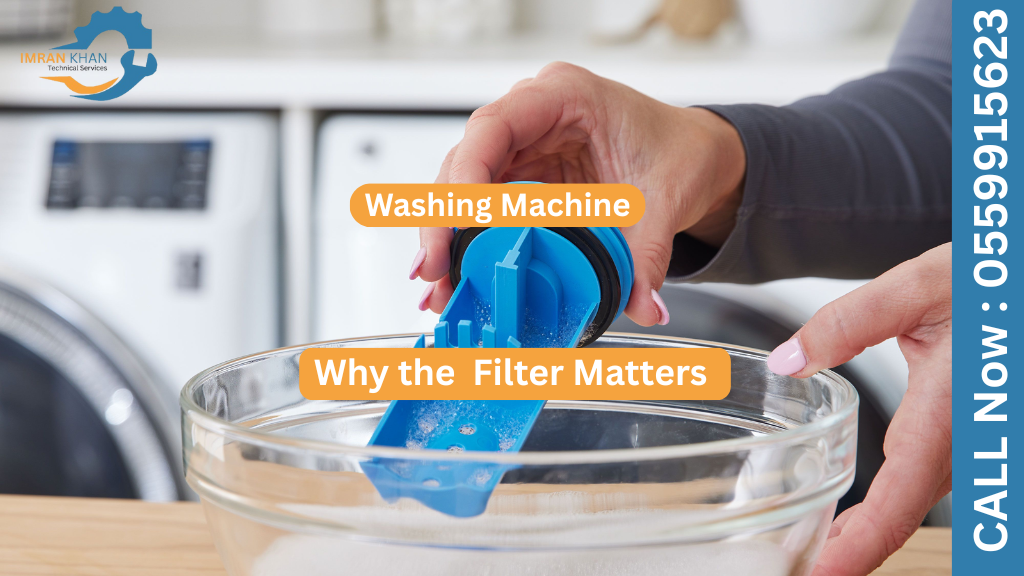
For instance, imagine you’ve washed a blanket that sheds fibers. Without a filter, all that lint would either block the drainage or stick stubbornly to your fresh laundry. Over time, this build-up can reduce your machine’s performance and even shorten its lifespan.
As a result, a clogged filter doesn’t just affect cleanliness—it impacts efficiency, water flow, and your electricity bill.
2. How Often Should You Clean It?
Experts generally recommend cleaning your washing machine filter every 2–3 months. However, this can vary based on usage.
- Heavy use households (large families, daily laundry): Clean once a month.
- Moderate use households (2–3 washes per week): Clean every 2–3 months.
- Light use households (occasional washes): Clean every 4–6 months.
In contrast, if you often wash heavy items like pet blankets, towels, or clothes with lots of lint, you might need to check them more frequently.
3. Signs Your Filter Needs Immediate Cleaning
Even if you forget the calendar, your machine will give you clues. Watch out for:
- Water is not draining properly
- Musty odors coming from the drum
- Clothes that don’t feel or smell clean
- Excessive lint on clothes after washing
- Strange noises during the drain cycle
For example, Rania, a teacher in Sharjah, ignored her washer’s slow drainage for months. When the technician finally opened the filter, it was packed with hairpins, coins, and lint. A quick clean fixed everything—but it could have been avoided.
4. How to Clean a Washing Machine Filter
Cleaning a filter isn’t as complicated as it sounds. Most modern machines have an accessible panel, usually at the bottom front.
Here’s a step-by-step guide:
- Unplug the machine for safety.
- Place a towel or shallow container under the filter area—some water will spill out.
- Open the filter cover and slowly twist the filter cap.
- Remove and rinse the filter under running water. Use an old toothbrush if debris is stuck.
- Wipe inside the cavity before reinserting the filter.
- Secure it tightly, close the panel, and you’re done.
Furthermore, some top-load machines have filters inside the drum or under the agitator, so check your manual for guidance.
5. What Happens If You Don’t Clean the Filter?
Skipping filter cleaning can lead to bigger problems than just dirty clothes.
- Blocked drainage: Water won’t drain properly, leaving your laundry soaking wet.
- Pump damage: A clogged filter strains the drain pump, leading to costly repairs.
- Higher energy bills: A struggling machine uses more electricity.
- Shortened lifespan: Consistent neglect can cut years off your washer’s life.
For instance, a Dubai family ended up paying AED 600 for pump replacement simply because lint had clogged the filter. A simple monthly cleaning could have prevented it.
6. Front-Load vs Top-Load Washing Machines
Not all machines are built the same, and neither are their filters.
- Front-load washers: Almost always have a filter at the bottom front. These need frequent cleaning because of lint build-up.
- Top-load washers: Some have filters inside the drum; others don’t have a user-accessible filter at all.
In contrast, newer high-efficiency machines sometimes rely more on self-cleaning mechanisms, but even then, periodic checks are wise.
7. Preventive Tips to Reduce Filter Clogging
While cleaning is necessary, you can reduce how quickly the filter gets dirty:
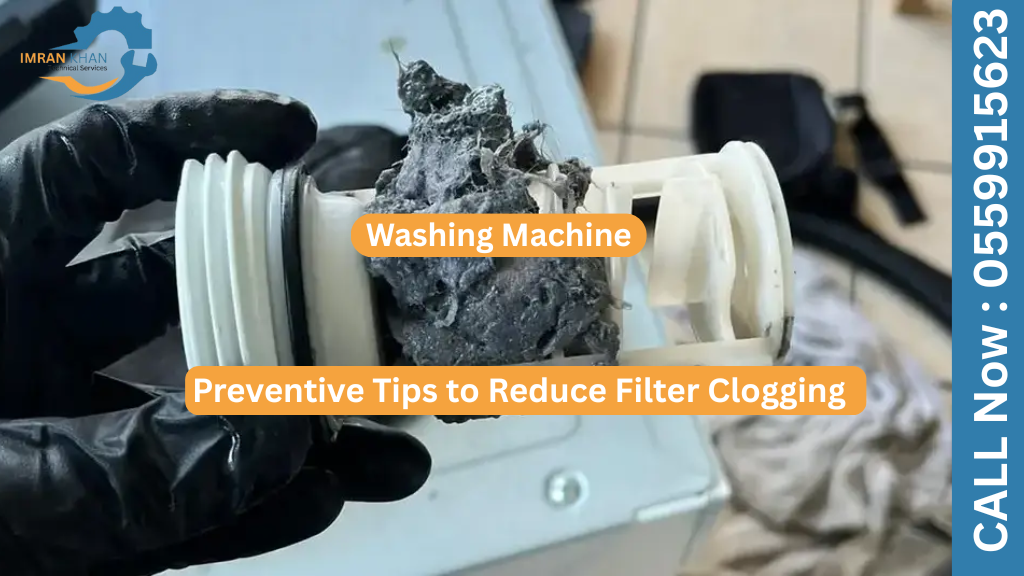
- Shake out clothes and blankets before washing to remove loose lint.
- Use laundry bags for small items like socks, baby clothes, or delicates.
- Avoid overloading the machine, which creates more lint and debris.
- Run a monthly “maintenance wash” (hot cycle with vinegar or machine cleaner) to flush out residue.
As a result, not only will your filter stay cleaner longer, but your entire machine will perform better.
8. The Role of Professional Servicing
Even with regular filter cleaning, your machine benefits from annual professional servicing.
Technicians can check beyond the filter—inspecting hoses, pumps, and internal components for hidden issues.
For example, one customer in Dubai Marina thought she just had a filter problem. But during routine servicing, the technician found early signs of pump wear and fixed it before it became a major expense.
9. Real-Life Stories That Highlight the Importance
- Ali’s story (from the opening): Neglecting the filter caused bad odors and higher electricity bills.
- Rania’s clogged filter: Hairpins and coins nearly broke her pump, but a simple cleaning solved it.
- A Palm Jumeirah household: Ignored filter cleaning for over a year, leading to water flooding during a wash cycle. Repairing water damage costs far more than routine maintenance.
These stories remind us that filters are small but mighty parts of our machines.
10. Final Word: How Often Should You Clean It?
If you want a simple takeaway: clean your washing machine filter every 2–3 months. If you use the machine heavily or wash items that shed lint, clean it monthly. And if you’re ever unsure, check it—better safe than sorry.
Conclusion
Just like a car needs oil changes, your washing machine needs filter cleaning. It’s a quick, inexpensive task that saves money, protects your appliance, and ensures fresh laundry every time.
So the next time you hear strange noises, smell mustiness, or see water pooling in your washer, think back to Ali’s story. A few minutes of filter cleaning could be the difference between a smooth-running machine and a costly repair bill.
Final thought: Treat your washing machine like a friend—it works hard for you every day. A little care and attention go a long way in keeping it reliable for years to come.
Latest Post:
-

Dishwasher Repair Services for Loud Noises: Causes, Fixes & When to Call Experts
A dishwasher should make a steady, low hum while running. If yours suddenly starts grinding, rattling, buzzing, or screeching, it’s a clear sign something isn’t right. Strange sounds are often the first warning that an internal component is loose, blocked, or wearing out. Ignoring the noise may lead to bigger and more expensive damage later.…
-
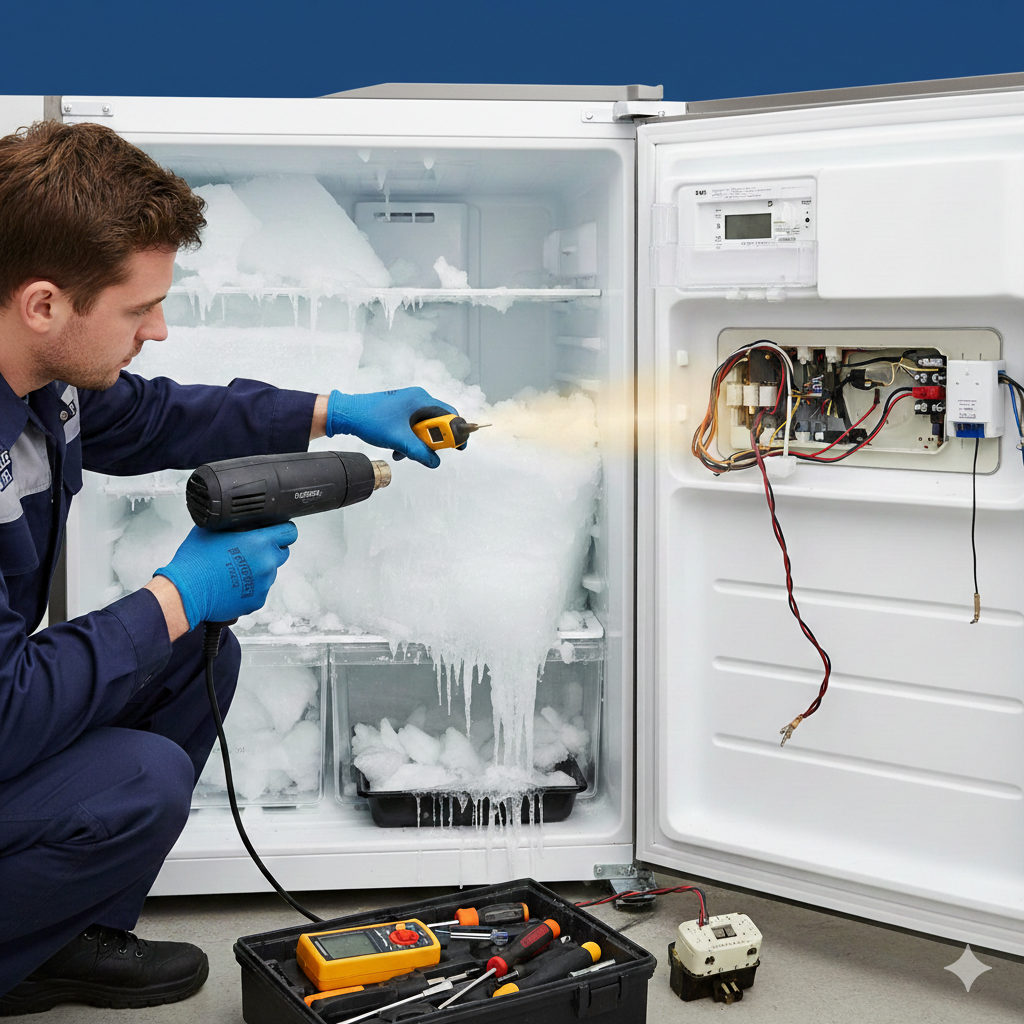
Fridge Repair Services in Dubai: How to Fix Frost Build-Up and Faulty Thermostats
Refrigerators play a vital role in every home and business in Dubai, where high temperatures make food preservation essential. When a fridge starts developing frost build-up or suffers from a faulty thermostat, it can quickly turn into a costly problem if ignored. These issues not only affect cooling performance but also increase electricity consumption and…
-

How AC Repair Services in Dubai Can Reduce High Electricity Consumption
Living in Dubai means relying heavily on air conditioning for most of the year. With extreme temperatures and long summers, AC systems often run for hours without a break. While this ensures comfort, it also leads to one major concern for residents and businesses alike — high electricity consumption. Many people are surprised when they…