Opening Hook
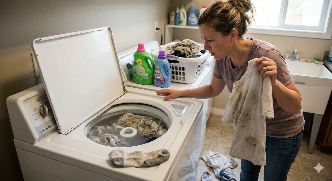
On a humid Friday morning in Dubai, Aisha loaded her washing machine with clothes, pressed the start button, and waited for the familiar hum. Instead, she was greeted with silence. A repairman later told her the motor had burned out—just six years after purchase. Frustrated, she asked the same question many homeowners do: “How could this happen so soon?”
The truth is, washing machines are built to last 10–12 years on average. Yet, many give up long before that—not because they’re poorly made, but because of how they’re used. The good news? With the right care, you can add years to your washing machine’s life, saving money, time, and stress along the way.
Let’s walk through practical, real-life strategies to keep your machine running smoothly for years to come.
1. Don’t Overload the Drum
One of the most common mistakes people make is stuffing the machine with clothes, hoping to save time.
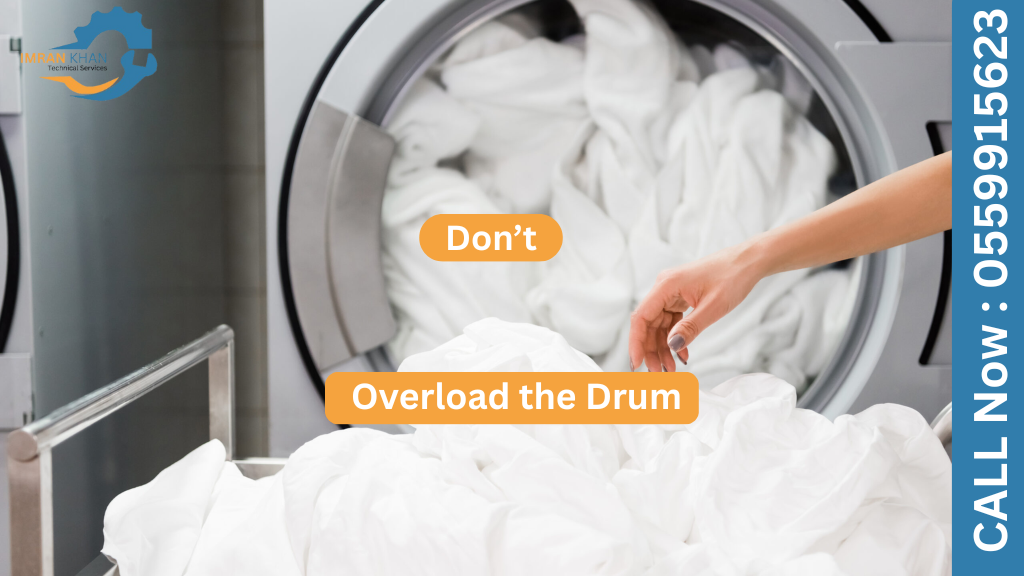
For instance, Aisha admitted she often crammed her weekly laundry into just two cycles. What she didn’t realize was that overloading strains the motor, bends the drum, and wears out the suspension system.
Furthermore, overloaded machines can’t wash clothes properly—detergent doesn’t dissolve fully, and fabrics come out dull and stiff. The rule of thumb? Fill the drum about three-quarters full. Clothes should have enough room to move freely, almost as if they’re “dancing” inside.
2. Use the Right Amount of Detergent
It’s easy to think “more soap = cleaner clothes,” but that’s a myth.
Excess detergent creates extra suds, which leave behind sticky residue on the drum and hoses. Over time, this buildup clogs pipes, strains the pump, and can even cause mold growth.
For example, a family in Sharjah learned this the hard way when their washer began to smell like mildew. The technician found layers of detergent scum lining the inside. Once they switched to the manufacturer-recommended amount, not only did the odor disappear, but their machine also ran more efficiently.
As a result, always follow the dosing instructions on your detergent packaging, especially for high-efficiency (HE) machines.
3. Clean the Lint Filter and Drum Regularly
Just like you wouldn’t drive a car without checking the oil, your washing machine needs regular cleaning.
The lint filter, in particular, collects fibers, hair, and small debris from each wash. If ignored, it clogs the drainage system, causing the machine to work harder than necessary.
In contrast, a clean filter helps water flow freely and keeps clothes looking fresh. A simple habit—checking the filter every two weeks—can prevent costly breakdowns.
Additionally ,run a drum-cleaning cycle once a month. Most modern machines have this feature, but if not, you can run an empty hot-water cycle with a cup of white vinegar. This dissolves detergent residue and kills bacteria, keeping the drum spotless.
4. Mind the Hoses
Behind every washing machine are hoses that quietly do the heavy lifting—bringing water in and pushing it out.
But here’s the catch: hoses are prone to cracks, bulges, and leaks, especially in places with hard water, like Dubai. A single burst hose can flood your home in minutes.
For instance, a villa owner in Jumeirah faced a massive water damage bill because a $50 hose snapped overnight. Had he replaced it earlier, he could have saved thousands.
As a result, inspect hoses every six months. Replace them every 3–5 years, even if they look fine. Opt for stainless steel braided hoses, which are more durable than rubber ones.
5. Balance the Load
Ever heard your washing machine sound like it’s trying to take off like an airplane? That’s usually an unbalanced load.
When heavier items (like towels or bedsheets) bunch up on one side of the drum, the machine wobbles violently. Over time, this damages the bearings and suspension.
For example, one customer shared how her washer “danced” across the kitchen floor during a spin cycle. The repeated shaking eventually broke the drum supports, leading to a costly repair.
To avoid this, redistribute clothes evenly inside the drum. Wash bulky items in smaller loads, and mix lighter clothes with heavier ones to balance the weight.
6. Use the Right Wash Settings
Many people ignore the preset washing programs and just hit “quick wash.” While convenient, this habit isn’t always ideal.
Each program is designed to optimize water use, spin speed, and temperature for specific fabrics. Constantly running inappropriate settings stresses the machine unnecessarily.
For instance, washing heavy blankets on a delicate cycle may leave them damp and strain the motor, while using a hot cycle for everyday clothes wastes energy and wears out components faster.
Furthermore, by using the right settings, you not only extend your machine’s life but also protect your clothes from shrinking, fading, or tearing.
7. Avoid Hard Water Damage
In regions like the UAE and parts of Pakistan, hard water is a hidden enemy of washing machines. The high mineral content leaves behind limescale deposits on the drum, heating element, and hoses. Over time, this reduces efficiency and increases wear.
For example, one repair technician noted that 70% of heating element failures in Dubai were linked to hard water buildup.
To counter this, consider using a water softener or adding a descaling solution every few months. Vinegar also works as a natural descaler when used occasionally.
8. Leave the Door Open After Use
It might seem like a small detail, but closing the door immediately after a wash traps moisture inside, creating a breeding ground for mold.
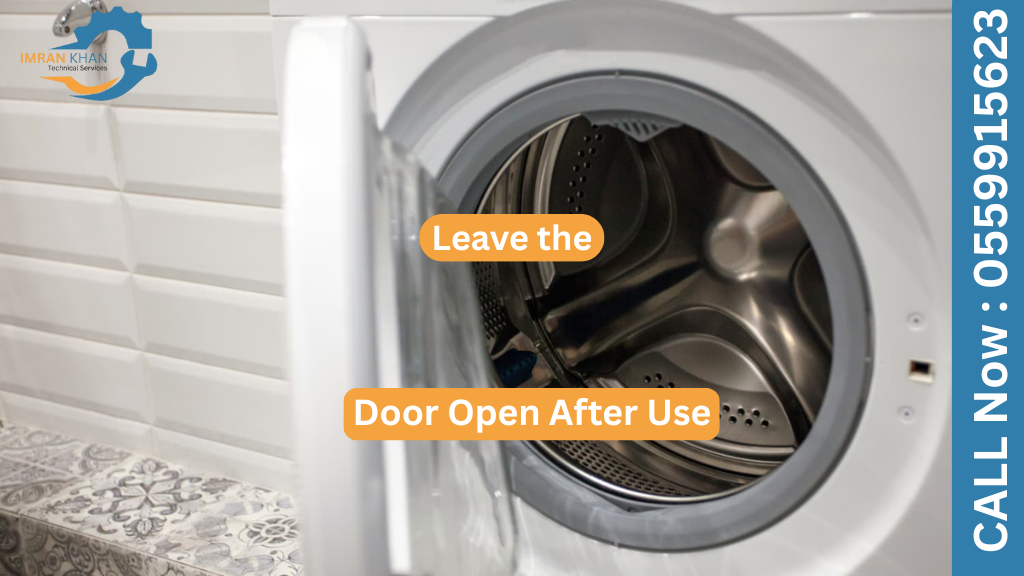
One family in Abu Dhabi noticed their clean clothes smelled musty even after fresh washes. The culprit? A moldy door gasket was caused by trapped humidity.
In contrast, leaving the door slightly ajar after each cycle allows air to circulate and keeps the drum dry. Wiping the rubber gasket with a clean cloth also helps prevent mold and mildew.
9. Schedule Professional Maintenance
Even with regular care, some issues are invisible to the untrained eye.
Professional servicing once a year can catch problems early—whether it’s a worn-out belt, a loose connection, or hidden leaks.
As a result, what costs a few hundred dirhams today can save you from a major breakdown tomorrow. Think of it like a health check-up for your machine.
10. Use Your Machine Wisely
Finally, remember that your washing machine isn’t indestructible. Using it wisely makes all the difference.
Avoid washing heavy rugs, shoes, or non-machine-safe items that strain the drum. Follow fabric labels and machine guidelines carefully.
For instance, a homeowner in once washed a small carpet in his top-loader. The weight and rough texture damaged the agitator, leading to an expensive fix. A small laundry service fee would have cost much less.
Frequently Asked Questions (FAQ)
1. How can I extend the life of my washing machine?
Avoid overloading the drum, use the right amount of detergent, clean the lint filter regularly, inspect hoses, and run professional maintenance once a year. These habits prevent wear and tear and help your machine last longer.
2. Why is it important not to overload the washing machine?
Overloading strains the motor, bends the drum, and wears out suspension systems. It also prevents proper washing, leaving clothes dull and stiff. Filling the drum about three-quarters full is ideal.
3. How often should I clean my washing machine?
Check the lint filter every two weeks and run a drum-cleaning cycle once a month. You can use hot water with white vinegar to remove detergent residue and kill bacteria.
4. Can hard water damage my washing machine?
Yes, hard water leaves mineral deposits on the drum, hoses, and heating element, reducing efficiency and causing breakdowns. Using a water softener or occasional descaling helps prevent this damage.
5. Should I leave the washing machine door open after use?
Yes. Leaving the door slightly ajar allows air circulation, prevents mold and mildew buildup, and keeps the drum dry, ensuring your clothes stay fresh and your machine lasts longer.
Closing: Protecting Your Silent Helper
Think of your washing machine as a quiet household partner. It doesn’t complain, it doesn’t argue, but it shoulders the heavy task of cleaning your clothes day in and day out. Like any partner, it needs care, attention, and respect.
By avoiding overloading, using the right detergent, cleaning regularly, balancing loads, and scheduling maintenance, you can extend the life of your washing machine by years.
The takeaway? Small habits today prevent big expenses tomorrow. So the next time you press “start,” remember—how you treat your machine today decides how long it will serve you tomorrow.
Call-to-Action: Take 10 minutes this week to clean the filter, check the hoses, and leave the door open after a cycle. Your washing machine—and your wallet—will thank you later.
Latest Post:
24/7 Emergency Electrician Dubai — Fast Response Guaranteed
24/7 Emergency Electrician Dubai — Fast Response Guaranteed Home Certified Experts Same Day Service 24/7 Emergency Support 5000+ Happy Customers Google Rated Business Electrical emergencies can happen at any time, and delaying repairs can put your family, employees, and property at risk. Whether you’re experiencing a complete power outage, exposed live wires, burning smells, or…
Electrical Repair Services Dubai — Complete Guide 2026
Certified Experts Same Day Service 24/7 Emergency Support 5000+ Happy Customers Google Rated Business Electrical Repair Services Dubai — Complete Guide 2026 Home Electrical issues can happen without warning and should never be ignored. Whether you’re dealing with a power outage, faulty wiring, flickering lights, or a tripping circuit breaker, professional help is essential to…

Washing Machine Not Cleaning Clothes? Expert & Technician
Washing Machine Not Cleaning Clothes? Causes, Fixes & Expert Repair Guide Home Certified Experts Same Day Service 24/7 Emergency Support 5000+ Happy Customers Google Rated Business A washing machine is designed to make laundry easier, but when it stops cleaning clothes properly, it can quickly become frustrating. If your clothes come out with stains, detergent…