
Opening Hook
It’s a sweltering August afternoon in Dubai. You step into your home, hit the AC remote, and within minutes, cool air washes over you. Relief. But as the comfort settles in, a nagging thought crosses your mind: how much is this cooling comfort going to cost you at the end of the month?
Air conditioning is a lifesaver in hot climates, but it’s also one of the biggest contributors to electricity bills. The good news? By learning the optimal energy-saving settings for your AC, you can stay comfortable without incurring significant costs.
Why AC Settings Matter More Than You Think
Most people think saving on AC bills means turning the system off or enduring discomfort. However, the truth is that small tweaks in your AC settings can make a significant difference.
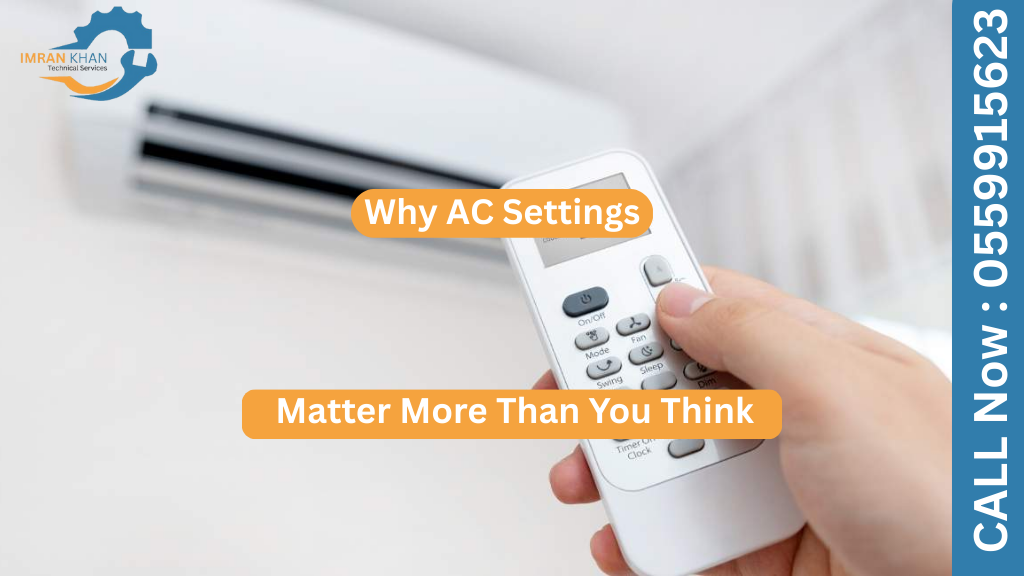
For instance, according to the U.S. Department of Energy, setting your AC just a few degrees higher than your usual temperature can reduce cooling costs by up to 10% annually. Imagine that—just by choosing the right number on your thermostat, you can save thousands over time.
Furthermore, in regions like Dubai or Abu Dhabi, where air conditioning runs almost year-round, the potential savings multiply.
The Magic Number: Ideal Temperature Settings
So, what’s the golden number?
Experts recommend keeping your thermostat set at 24–26°C (75–78°F) when you’re at home and awake. This range strikes the perfect balance between comfort and efficiency.
In contrast, blasting your AC at 18°C may feel luxurious, but it forces your unit to run nonstop, consuming excessive power while not actually cooling your home any faster.
For instance, Fatima in Arabian Ranches found that adjusting her AC from 20°C to 25°C saved her nearly AED 300 in one summer month—without any noticeable dip in comfort.
Don’t Forget About Night Settings
Your body naturally cools down while you sleep, meaning you don’t need icy-cold air at night. Setting your AC to 26–27°C (78–80°F) during sleep hours not only saves energy but also prevents you from waking up feeling too cold.
As a result, your AC runs less frequently, and you get both better sleep and lower bills.
The Role of Fan Speed
Another overlooked setting is fan speed.
- High speed is best for extremely hot afternoons, helping circulate air faster.
- Low or auto mode works better at night or during mild weather, using less electricity while maintaining comfort.
For example, Ali in Dubai Marina noticed that by switching to “Auto Fan” mode, his AC automatically adjusted airflow as needed—cooling efficiently without overworking the system.
The Hidden Gem: “Dry Mode”
Many modern ACs come with a feature called Dry Mode. Instead of focusing on lowering the temperature, it reduces the humidity in the air.
In contrast to “Cool Mode,” which can be energy-hungry, Dry Mode uses less power while still making the room feel cooler and more comfortable.
This is particularly useful in humid coastal areas like Jumeirah, where sticky air can feel unbearable even when temperatures aren’t extreme.
Using Timers and Sleep Mode
Timers and sleep modes are not just “extra buttons” on your remote—they’re built-in energy savers.
- Sleep Mode gradually increases the set temperature through the night, syncing with your body’s needs.
- Timer Mode allows you to run the AC only when necessary, such as switching it on 30 minutes before you return home.
For instance, a family in Dubai Sports City programmed their AC timer to shut off during early morning hours when the outside air is cooler. The result? A 15% drop in their monthly DEWA bill.
Regular Maintenance Enhances Energy Efficiency
Even the best settings won’t save energy if your AC is struggling due to poor maintenance. A clogged filter, dirty coils, or low refrigerant levels can double your unit’s workload.
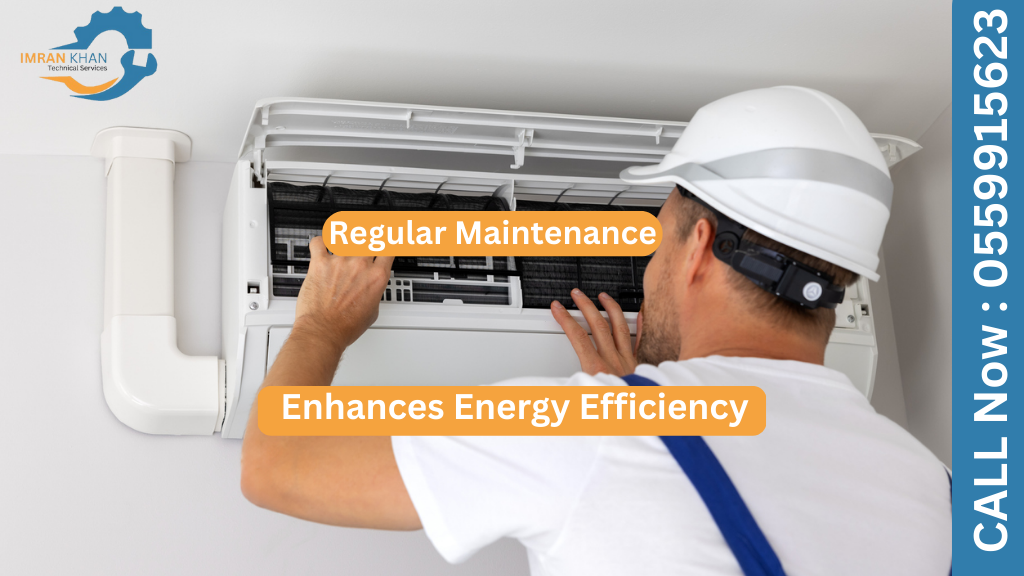
Furthermore, dust and sand—common in the UAE—block airflow, making your AC inefficient. Cleaning or replacing filters every month during peak season can improve efficiency by up to 15%, according to energy experts.
Smart Thermostats: The Game-Changer
Technology has given us smart thermostats that learn your habits and adjust settings automatically.
For instance, devices like Nest or Honeywell can sense when you’re away from home and adjust temperatures to save energy. They also allow you to control your AC remotely via smartphone apps.
As a result, you don’t waste electricity cooling an empty home. Plus, these devices provide detailed energy reports, helping you understand and improve your usage patterns.
Small Lifestyle Changes That Add Up
Energy-saving settings work best when paired with smart habits:
- Close curtains during the day to block sunlight.
- Seal air leaks around windows and doors.
- Use ceiling fans to improve circulation, allowing you to raise the AC temperature by a degree or two without discomfort.
- Avoid heat-producing appliances like ovens during the hottest hours.
In contrast, ignoring these small changes can cancel out the benefits of proper AC settings.
A Real-Life Perspective
Consider Ahmed, a resident of Dubai Investment Park. For years, he set his AC at 19°C, thinking lower meant faster cooling. His DEWA bills were consistently sky-high, and he often complained about the expense. After consulting an HVAC technician, he raised his thermostat to 25°C, switched to Auto Fan, and began using Sleep Mode. Within two billing cycles, his monthly expenses dropped by nearly AED 500.
His experience proves that the secret isn’t turning off your AC—it’s learning to use it smarter.
Frequently Asked Questions (FAQ)
1. What is the most energy-efficient temperature setting for an AC?
The ideal energy-saving temperature is 24–26°C (75–78°F) when you are at home. This range provides comfort while significantly reducing electricity consumption.
2. Does setting the AC to a lower temperature cool the room faster?
No. Air conditioners cool at the same speed regardless of the temperature setting. Lower temperatures only make the AC run longer, increasing energy usage and costs.
3. Is it better to change AC settings at night?
Yes. At night, setting the AC to 26–27°C or using Sleep Mode saves energy and improves comfort, as the body naturally requires less cooling during sleep.
4. What is Dry Mode, and does it save electricity?
Dry Mode reduces humidity rather than aggressively cooling the air. It uses less power than Cool Mode and is especially effective in humid areas, making rooms feel cooler with lower energy use.
5. How can fan speed and timers help reduce AC electricity bills?
Using Auto Fan adjusts airflow efficiently, while timers and sleep modes prevent unnecessary operation. Together, they can reduce monthly electricity bills by up to 15–20%.
Closing Thoughts
Your air conditioner doesn’t have to be an enemy of your wallet. By choosing the right energy-saving settings—from the ideal temperature range to fan speeds, Dry Mode, and timers—you can enjoy cool comfort while keeping electricity bills under control.
Furthermore, combining these settings with regular maintenance and smart home habits ensures that your AC not only runs efficiently but also lasts longer.
So, the next time you reach for your AC remote, pause and ask yourself: Am I choosing comfort at the cost of efficiency, or can I strike a balance between the two?
The truth is, with the right knowledge, you don’t have to choose. You can have both—a cool home and a lighter electricity bill.
Latest Post:
-
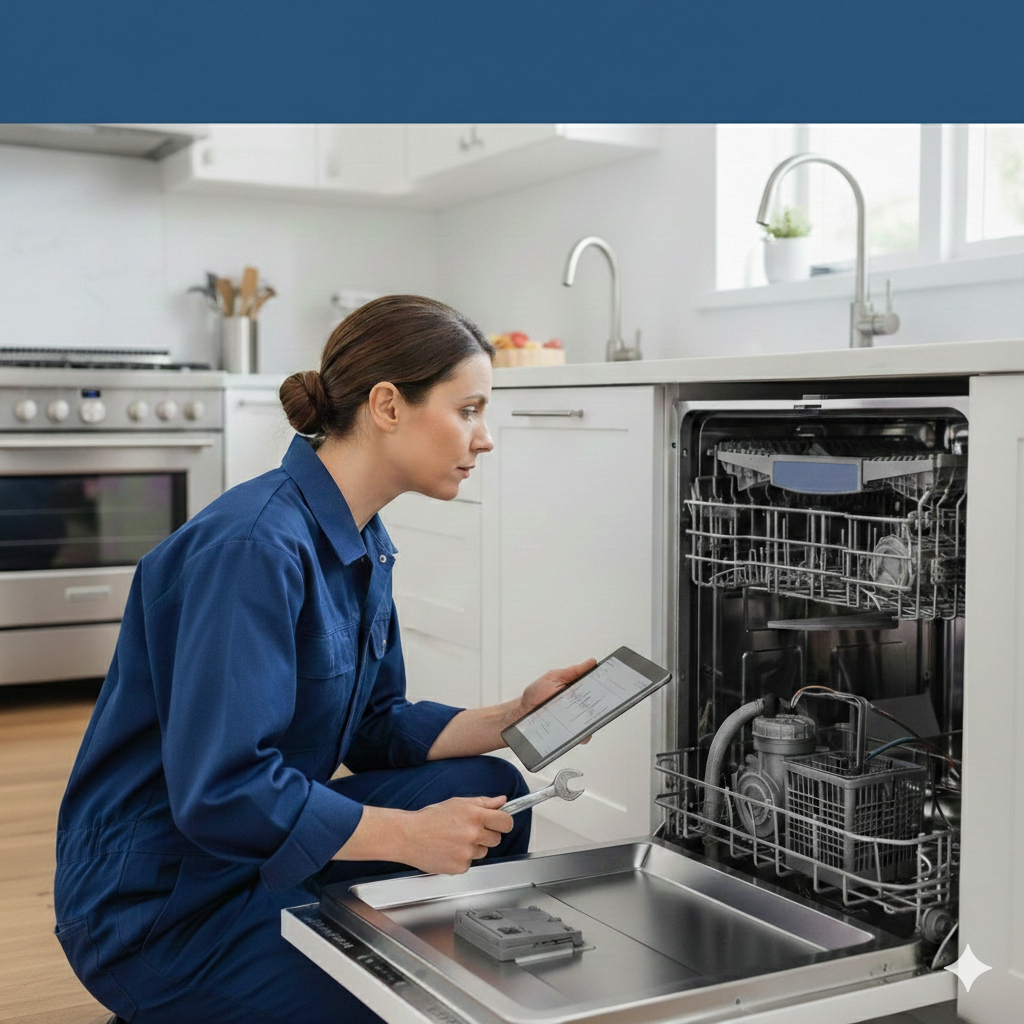
Dishwasher Repair Services for Loud Noises: Causes, Fixes & When to Call Experts
A dishwasher should make a steady, low hum while running. If yours suddenly starts grinding, rattling, buzzing, or screeching, it’s a clear sign something isn’t right. Strange sounds are often the first warning that an internal component is loose, blocked, or wearing out. Ignoring the noise may lead to bigger and more expensive damage later.…
-
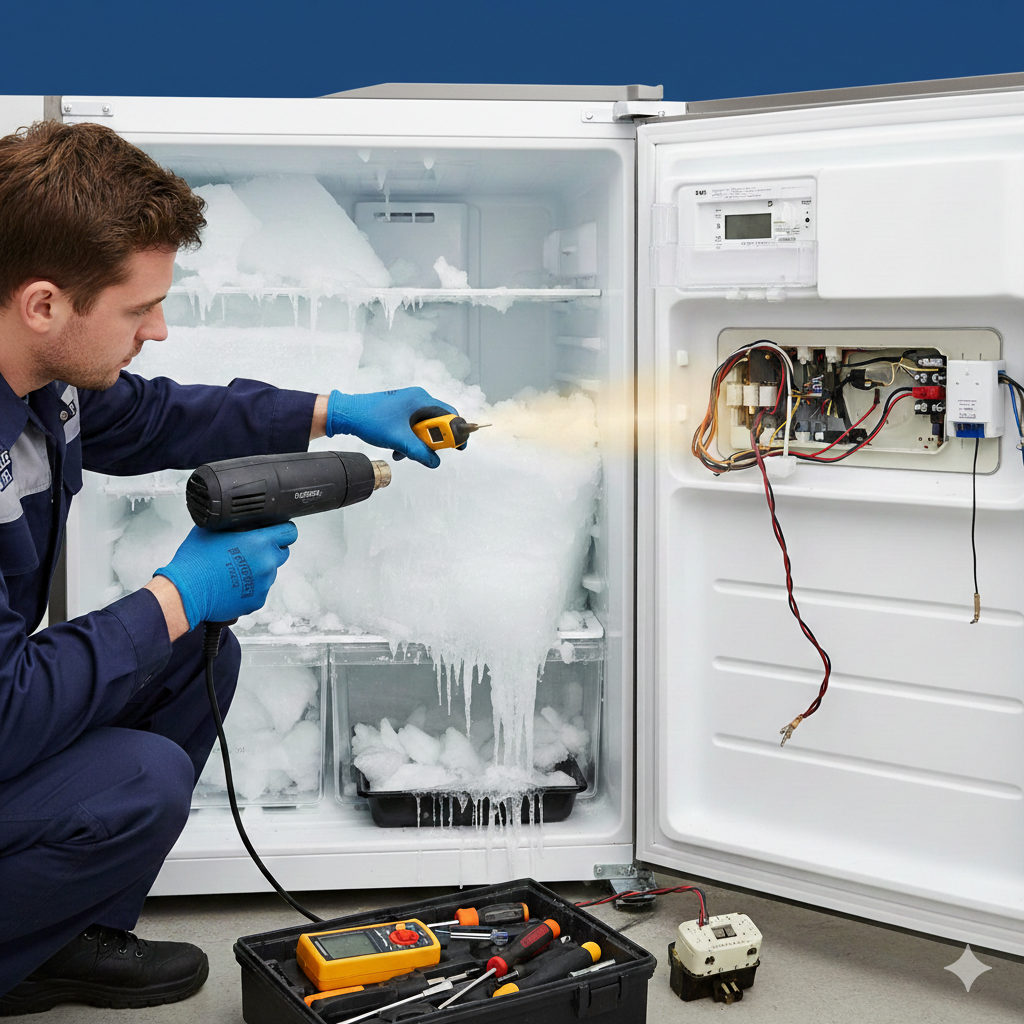
Fridge Repair Services in Dubai: How to Fix Frost Build-Up and Faulty Thermostats
Refrigerators play a vital role in every home and business in Dubai, where high temperatures make food preservation essential. When a fridge starts developing frost build-up or suffers from a faulty thermostat, it can quickly turn into a costly problem if ignored. These issues not only affect cooling performance but also increase electricity consumption and…
-
How AC Repair Services in Dubai Can Reduce High Electricity Consumption
Living in Dubai means relying heavily on air conditioning for most of the year. With extreme temperatures and long summers, AC systems often run for hours without a break. While this ensures comfort, it also leads to one major concern for residents and businesses alike — high electricity consumption. Many people are surprised when they…