
Opening Hook
On a blazing July afternoon in Dubai, Ahmed sat in his living room, staring at two electricity bills laid side by side. One belonged to his neighbor, who had recently installed an inverter AC, while the other was his own from a traditional split AC. The difference? His neighbor’s bill was nearly 30% lower—even though both families had been running their air conditioners nonstop to escape the desert heat. Ahmed couldn’t help but wonder: What makes inverter ACs so much more efficient than normal ACs? And are they really worth the investment?
If you’ve ever asked yourself the same question, you’re not alone. With cooling costs eating up a big chunk of household budgets—especially in hot climates like the UAE—understanding the difference between inverter and normal ACs is more than just a technical curiosity. It’s a matter of long-term savings and comfort.
The Basics: How Do Normal and Inverter ACs Work?
To understand energy savings, we first need to look at how each system operates.
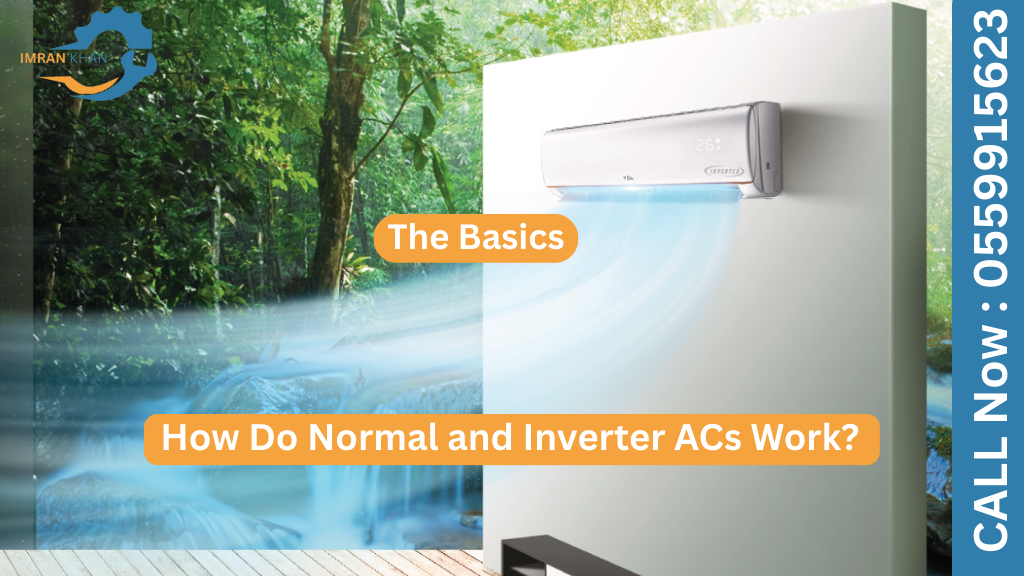
A normal AC, also known as a fixed-speed AC, works like a light switch—it’s either fully on or completely off. When your room gets warm, the AC compressor kicks in at full power until the desired temperature is reached, then shuts off. Once the room warms up again, the cycle repeats.
In contrast, an inverter AC works more like a dimmer switch. Instead of turning off completely, it adjusts the compressor speed based on the room’s needs. If the room is already cool, the inverter AC runs at a lower speed to maintain the temperature without wasting energy.
This difference in operation is the foundation of their energy efficiency.
Why Normal ACs Consume More Energy
Normal ACs have a reputation for higher energy bills, and here’s why:
- Frequent Start-Stop Cycles
Every time the compressor turns back on, it draws a large surge of electricity. These repeated bursts add up significantly over the month. - Temperature Fluctuations
Since normal ACs operate in cycles, the room temperature swings between too cold and slightly warm. This not only consumes more energy but also reduces comfort.
For instance, Fatima, a teacher living in Sharjah, noticed that her traditional AC would blast cold air until the room was freezing, then shut down. Ten minutes later, she would feel the heat creeping back in. This roller-coaster cooling wasn’t just uncomfortable—it was costly.
Why Inverter ACs Save More Energy
Now let’s look at inverter technology.
- Variable Compressor Speed
By adjusting speed, the inverter AC avoids energy-draining start-stop cycles. It uses just enough power to keep the room steady. - Consistent Cooling
Instead of extreme highs and lows, inverter ACs maintain a stable temperature, which means your compressor works less aggressively. - Long-Term Efficiency
Though they may run continuously at lower speeds, inverter ACs consume less electricity overall than the all-or-nothing approach of normal ACs.
For example, a family in Dubai Marina switched to an inverter AC last summer. They reported that, despite running it almost 18 hours a day, their electricity bill dropped by nearly 25%.
Energy Savings: Numbers Don’t Lie
On average, inverter ACs consume 30–50% less energy than normal ACs depending on usage patterns, room size, and climate.
- A normal 1.5-ton AC might consume about 1.5 to 2 units of electricity per hour during operation.
- An inverter AC of the same capacity could use only 0.9 to 1.2 units per hour under similar conditions.
Over months of heavy summer use in the UAE, the savings can add up to hundreds—or even thousands—of dirhams annually.
The Comfort Factor
Energy bills aren’t the only thing to consider. Comfort plays a huge role in daily life, and here, inverter ACs have a clear advantage.
- Normal AC: Temperature fluctuations can feel uncomfortable, especially for children or elderly family members sensitive to sudden chills or warmth.
- Inverter AC: The steady temperature feels more natural and reduces the need to constantly adjust settings.
Furthermore, inverter ACs are quieter since they don’t have to restart with a loud thud every few minutes, a benefit anyone who values peaceful sleep will appreciate.
The Cost Question: Are Inverter ACs Worth It?
Here’s the part where many homeowners hesitate: inverter ACs usually cost more upfront than normal ACs.
- Normal AC (1.5 ton): AED 1,200 – 1,800
- Inverter AC (1.5 ton): AED 2,000 – 3,000
At first glance, the price difference seems significant. But let’s look at the bigger picture.
If an inverter AC saves you 30% on your monthly cooling bill, you can recover the extra cost within 1–2 years. After that, the savings go directly into your pocket.
In contrast, normal ACs may seem cheaper initially, but the long-term electricity bills make them more expensive over time.
Environmental Impact
Beyond your wallet, inverter ACs also have a greener side. Lower energy consumption means fewer carbon emissions from electricity production. For eco-conscious families—or businesses wanting to project a sustainable image—this makes inverter ACs a smarter choice.
For instance, a small café owner in Al Barsha decided to replace all normal ACs with inverters. Not only did this cut her electricity costs by nearly 35%, but she also proudly advertised her café as an “eco-friendly chill zone,” attracting more environmentally aware customers.
When Normal ACs Still Make Sense
Of course, inverter ACs aren’t always the automatic winner. In some cases, normal ACs can still be practical.
- Short-term Rentals or Temporary Stays: If you’re renting a place for less than a year, the upfront savings of a normal AC may outweigh long-term efficiency.
- Low Usage Homes: If you rarely use AC—say, in a holiday home—investing in inverter technology might not make financial sense.
In contrast, for families or businesses that run AC for long hours daily (which is common in Dubai), the inverter option quickly proves its value.
Tips for Maximizing Energy Savings
Whether you own an inverter or a normal AC, you can optimize energy use with these habits:
- Set the thermostat to 24–25°C. Each degree lower can increase consumption by 6–8%.
- Clean filters regularly. Dirty filters make the compressor work harder, reducing efficiency.
- Seal rooms properly. Close doors and windows to prevent cooled air from escaping.
- Schedule annual servicing. A well-maintained AC lasts longer and runs more efficiently.
For instance, one Dubai family with inverter ACs noticed only minor savings initially. Once they cleaned their filters and sealed gaps in balcony doors, their energy bills dropped drastically.
FAQ: Inverter ACs vs. Normal ACs in Dubai
1. What is the main difference between an inverter AC and a normal AC?
A normal AC (fixed-speed) turns the compressor fully on or off, causing temperature fluctuations and higher energy use. An inverter AC adjusts the compressor speed to maintain a steady temperature, saving energy and improving comfort.
2. How much energy can an inverter AC save compared to a normal AC?
Inverter ACs can consume 30–50% less electricity than normal ACs, depending on usage, room size, and climate. This can lead to hundreds or even thousands of dirhams in annual savings in hot climates like Dubai.
3. Are inverter ACs quieter than normal ACs?
Yes. Because inverter ACs run continuously at variable speeds instead of repeatedly starting and stopping, they operate more quietly, which enhances comfort, especially during sleep.
4. Is the higher upfront cost of an inverter AC worth it?
For long-term use, yes. Though inverter ACs cost more initially (AED 2,000–3,000 for 1.5 ton), energy savings often recover the extra cost within 1–2 years, making them more economical over time.
5. When might a normal AC be more suitable than an inverter AC?
Normal ACs may make sense for short-term rentals, temporary stays, or homes that use AC sparingly, as the upfront savings can outweigh long-term efficiency benefits.
Closing Thoughts
So, which saves more energy: inverter ACs or normal ACs? The answer is clear—inverter ACs are the champions of efficiency, comfort, and long-term savings. While they cost more upfront, the reduced electricity bills, consistent cooling, and quieter operation make them a wise investment for most households and businesses, especially in hot climates like Dubai.
Still, context matters. If you’re a short-term renter or use AC sparingly, a normal unit may be sufficient. But for the majority, an inverter AC is not just an appliance—it’s a lifestyle upgrade that pays for itself over time.
So the next time you’re comparing AC options, ask yourself: Am I looking for a short-term fix, or do I want comfort and savings that last for years? The answer will guide you straight to the right choice.
Latest Post:
-

Dishwasher Repair Services for Loud Noises: Causes, Fixes & When to Call Experts
A dishwasher should make a steady, low hum while running. If yours suddenly starts grinding, rattling, buzzing, or screeching, it’s a clear sign something isn’t right. Strange sounds are often the first warning that an internal component is loose, blocked, or wearing out. Ignoring the noise may lead to bigger and more expensive damage later.…
-

Fridge Repair Services in Dubai: How to Fix Frost Build-Up and Faulty Thermostats
Refrigerators play a vital role in every home and business in Dubai, where high temperatures make food preservation essential. When a fridge starts developing frost build-up or suffers from a faulty thermostat, it can quickly turn into a costly problem if ignored. These issues not only affect cooling performance but also increase electricity consumption and…
-
How AC Repair Services in Dubai Can Reduce High Electricity Consumption
Living in Dubai means relying heavily on air conditioning for most of the year. With extreme temperatures and long summers, AC systems often run for hours without a break. While this ensures comfort, it also leads to one major concern for residents and businesses alike — high electricity consumption. Many people are surprised when they…