
Opening Hook:
It was the middle of July in Dubai, and Ahmed was regretting every minute he spent outdoors. The air shimmered with heat, and even the short walk from his car to his apartment left him drenched in sweat. As soon as he stepped inside, his inverter AC quietly hummed to life—not with the roaring blast of cold air he remembered from older units, but with a steady, comforting breeze. Ahmed had heard the debates about inverter ACs—some praising them as the ultimate energy saver, others calling them an unnecessary expense. That day, though, all he cared about was that it worked.
Understanding the UAE Climate and Why AC Choice Matters
The UAE is no stranger to extreme weather. Summers regularly see temperatures soaring above 45°C, with high humidity making it feel even hotter. In such an environment, air conditioning isn’t a luxury—it’s a lifeline. However, with electricity bills climbing and environmental concerns growing, the type of AC you choose can have long-term consequences on both comfort and costs.
Inverter AC technology, once seen as a premium upgrade, has been gaining popularity across the UAE. But does it truly perform well under the punishing desert sun? Let’s break down the facts.
How Inverter ACs Work – The Simple Version
Traditional ACs operate in an on-off cycle: the compressor turns on, blasts cold air until the desired temperature is reached, then shuts off. Once the room warms up again, the cycle repeats.
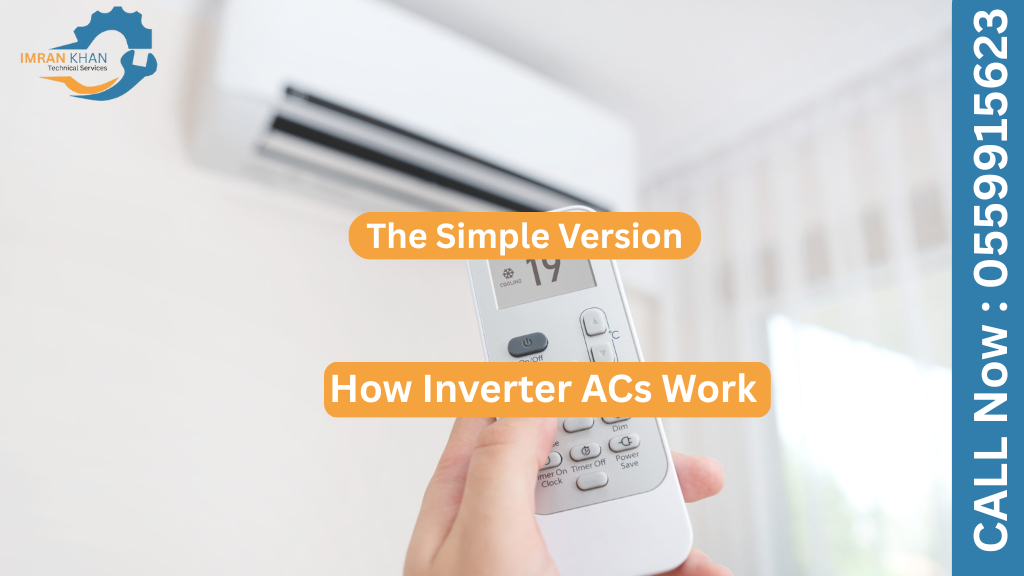
Inverter ACs, on the other hand, use variable-speed compressors. Instead of turning off entirely, they adjust their speed to maintain a consistent temperature. This means fewer energy spikes and a smoother cooling experience.
Think of it like driving: a traditional AC is like speeding up and braking repeatedly, while an inverter AC is like cruising at a steady pace. The latter is generally more fuel-efficient—and in this case, more energy-efficient.
Pro #1: Energy Efficiency Saves Money
One of the strongest selling points of inverter ACs is their energy-saving potential. In a country like the UAE, where ACs often run for 8–12 hours a day (and sometimes 24/7 in summer), even a 30–40% reduction in energy use can make a big difference.
For instance, Fatima, a Sharjah resident, replaced her three traditional split units with inverter models last year. By the end of summer, she noticed her DEWA bill had dropped by almost AED 300 per month. That’s a savings of over AED 3,000 a year—enough to make the higher upfront cost worth it.
Pro #2: Consistent Comfort
Because inverter ACs don’t constantly cycle on and off, they keep the room temperature more stable. Warm pockets follow no sudden blast of cold air—it’s just a smooth, continuous coolness.
In the UAE’s harsh climate, this can mean the difference between feeling comfortably refreshed and feeling like you’re living inside a freezer one minute and a sauna the next.
Pro #3: Quieter Operation
Ask anyone who has tried to sleep with a traditional AC turning on and off all night—it’s not pleasant. Inverter units, with their gradual speed adjustments, tend to be much quieter. This is a blessing for light sleepers, families with small children, or anyone working from home.
Con #1: Higher Upfront Cost
Of course, no technology comes without trade-offs. Inverter ACs are more expensive upfront—often 20–40% higher than standard models. For families on a budget, that can be a major barrier.
However, this higher initial cost can be offset by long-term savings on electricity bills—especially in a high-usage country like the UAE. The key is to think of it as an investment rather than just a purchase.
Con #2: More Complex Maintenance
Inverter ACs use advanced electronics, which means repairs can be more specialized—and more expensive. While a traditional AC compressor might cost less to replace, an inverter compressor could be significantly pricier.
For example, Omar in Abu Dhabi learned this the hard way when a power surge damaged his unit’s control board. The repair cost nearly AED 1,500, which was more than he had budgeted. This makes it important to buy from reputable brands with strong service networks and to consider surge protection for your units.
Con #3: Performance in Extreme Heat
While inverter technology is efficient, some lower-quality models struggle when outdoor temperatures hit 48°C or higher—a common scenario in July and August. High-end units from brands like Daikin, Mitsubishi, and LG are built to handle such extremes, but cheaper imports may underperform.
This means that in the UAE, brand reputation and after-sales service matter just as much as the technology itself.
For Instance: A Tale of Two Households
Let’s compare two real scenarios.
- Household A in Dubai has three traditional AC units. During summer, they pay AED 1,200 monthly for electricity. The cooling feels uneven, and one unit has already required a compressor replacement after just four years.
- Household B, also in Dubai, switched to inverter ACs last year. Their monthly summer bill averages AED 850, and they enjoy a stable, quiet indoor environment. While they spent about AED 6,000 more upfront, their savings are projected to cover that in just over two years.
The difference isn’t just about money—it’s about comfort, reliability, and peace of mind.
Making the Right Choice in the UAE
If you’re considering an inverter AC, here are a few practical tips:
- Look for models with high EER (Energy Efficiency Ratio) – This ensures better performance in hot climates.
- Check the warranty on both the compressor and electronics – At least 5 years is ideal.
- Invest in a voltage stabilizer or surge protector – Protects sensitive electronics.
- Match the AC capacity to your room size – Oversized or undersized units will waste energy and reduce lifespan.
- Buy from reputable dealers – Ensures genuine products and reliable after-sales service.
Frequently Asked Questions (FAQ)
1. Are inverter ACs suitable for the extreme heat of the UAE?
Yes, inverter ACs can perform very well in the UAE’s climate, provided you choose a high-quality model designed for extreme temperatures (45–50°C). Reputable brands generally handle desert heat better than low-cost models.
2. Do inverter ACs really save electricity in the UAE?
In most cases, yes. Inverter ACs can reduce energy consumption by 30–40%, which can significantly lower electricity bills in a country where ACs run for long hours throughout the year.
3. Why are inverter ACs more expensive than traditional ACs?
Inverter ACs use advanced variable-speed compressor technology and electronic control systems, which increase manufacturing costs. However, these higher upfront costs are often recovered through long-term energy savings.
4. Is maintenance more expensive for inverter ACs?
Maintenance and repairs can be more costly because inverter ACs have complex electronics. Choosing a reliable brand, ensuring proper installation, and using surge protection can help reduce repair risks.
5. How do I choose the right inverter AC for my home in the UAE?
Look for a unit with a high Energy Efficiency Ratio (EER), adequate cooling capacity for your room size, strong compressor and electronics warranty, and reliable after-sales service within the UAE.
Final Thoughts
Inverter ACs can be a game-changer in the UAE climate—offering lower electricity bills, quieter operation, and consistent comfort. However, like any investment, they come with considerations: a higher initial cost, more complex maintenance, and the need to choose a model specifically designed for extreme heat.
If you plan to live in the UAE long-term and rely heavily on air conditioning (which is almost inevitable), the math often works in your favor. And beyond the numbers, there’s something to be said for stepping into your home after a blistering summer day and feeling that perfect, steady cool greet you like a trusted friend.
So, before the next heatwave hits, maybe it’s time to decide—will your AC be fighting the heat in short bursts, or cruising smoothly through the summer?
Latest Post:
-
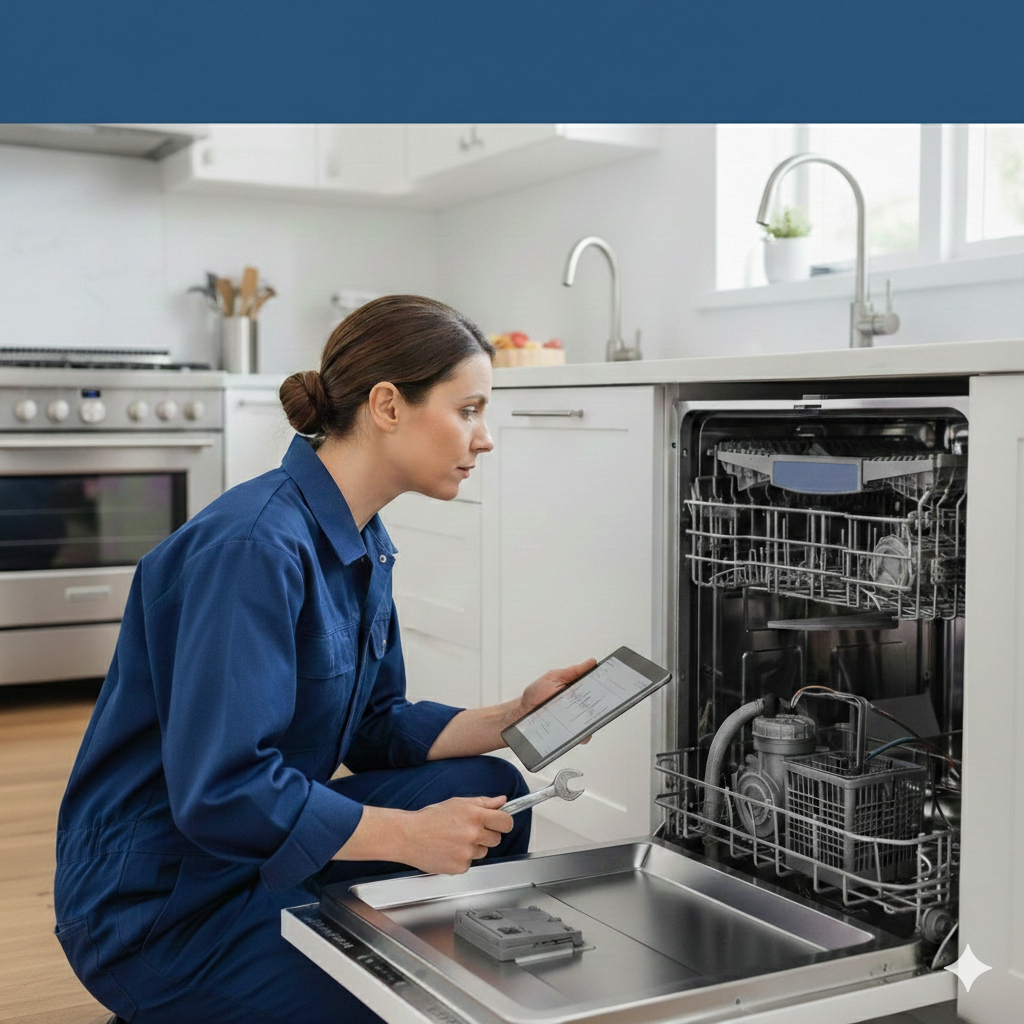
Dishwasher Repair Services for Loud Noises: Causes, Fixes & When to Call Experts
A dishwasher should make a steady, low hum while running. If yours suddenly starts grinding, rattling, buzzing, or screeching, it’s a clear sign something isn’t right. Strange sounds are often the first warning that an internal component is loose, blocked, or wearing out. Ignoring the noise may lead to bigger and more expensive damage later.…
-
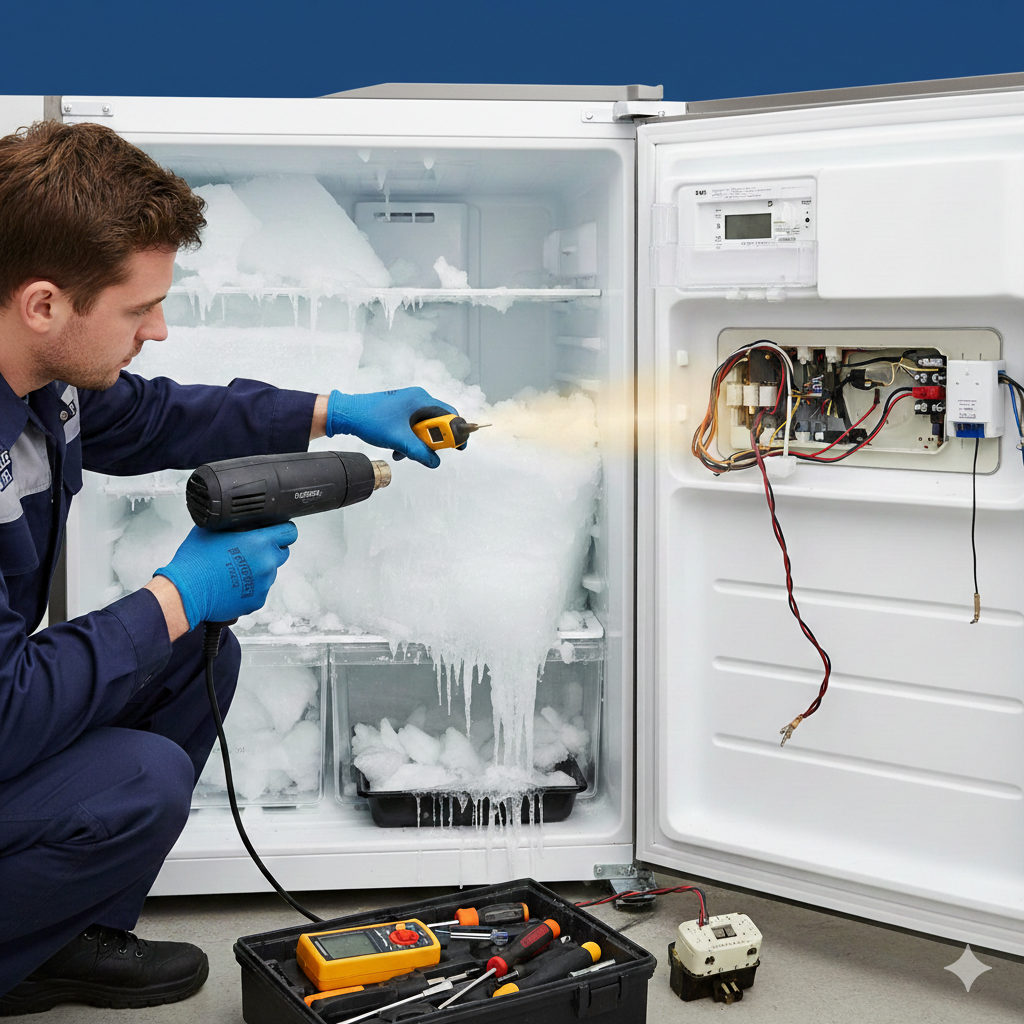
Fridge Repair Services in Dubai: How to Fix Frost Build-Up and Faulty Thermostats
Refrigerators play a vital role in every home and business in Dubai, where high temperatures make food preservation essential. When a fridge starts developing frost build-up or suffers from a faulty thermostat, it can quickly turn into a costly problem if ignored. These issues not only affect cooling performance but also increase electricity consumption and…
-
How AC Repair Services in Dubai Can Reduce High Electricity Consumption
Living in Dubai means relying heavily on air conditioning for most of the year. With extreme temperatures and long summers, AC systems often run for hours without a break. While this ensures comfort, it also leads to one major concern for residents and businesses alike — high electricity consumption. Many people are surprised when they…