
Opening Hook
It was the hottest day of July when Ahmed’s air conditioner suddenly stopped blowing cool air. He fiddled with the thermostat, checked the vents, and even tried turning the system off and on again. Nothing worked. When the technician arrived, the problem was clear within minutes: a bad capacitor. Ahmed was shocked—how could such a small, inexpensive part bring his entire cooling system to a standstill?
The truth is, the AC capacitor is like the heartbeat of your air conditioning unit, and when it weakens, the entire system struggles. The challenge for most homeowners is recognizing the signs before the capacitor fails completely.
What Does an AC Capacitor Do?
To understand the symptoms, you first need to know the role of this tiny yet vital component. An AC capacitor stores and releases electrical energy to kick-start the motors inside your system, including the compressor, blower, and fan. Think of it like the spark that ignites your car engine.
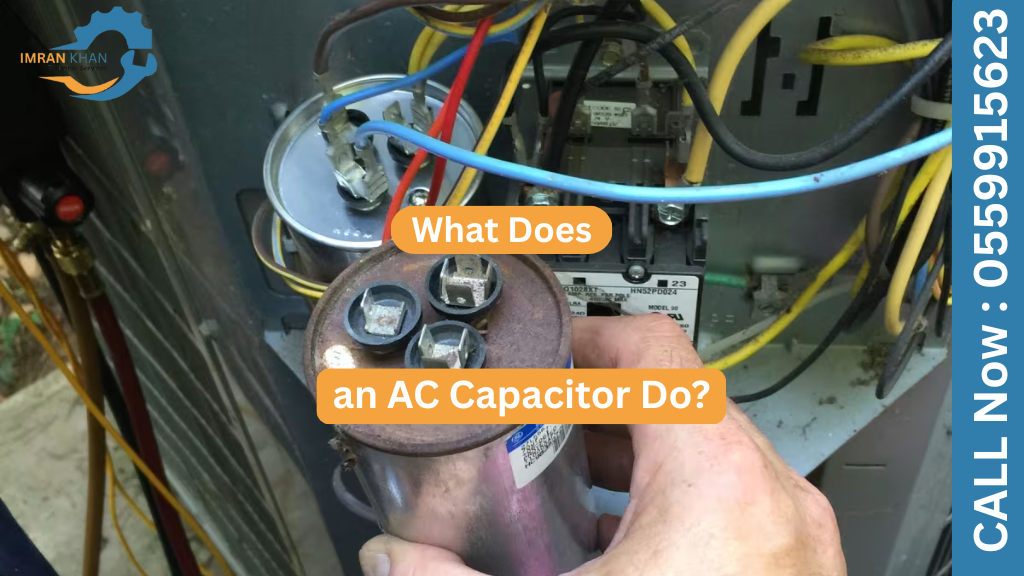
Without a healthy capacitor, your air conditioner may still try to run, but it won’t have the electrical “push” it needs to function properly.
Symptom 1: Your AC Struggles to Start
One of the earliest and most common signs of a bad capacitor is difficulty starting the AC unit. You might hear a humming sound as the system attempts to power on but fails to fully kick in.
For instance, a family in Dubai noticed their AC made a low hum every time it tried to start on sweltering afternoons. Eventually, the unit wouldn’t turn on at all. The technician explained that the capacitor had weakened over time, and the system no longer had the extra jolt of energy it needed to get going.
Furthermore, if your AC occasionally starts after several attempts, this is a red flag that the capacitor is on its last legs.
Symptom 2: Warm Air Instead of Cold
Another telltale sign of a failing capacitor is when your system blows warm or room-temperature air instead of cooling effectively. This happens because the compressor—responsible for circulating refrigerant—relies heavily on the capacitor to start and stay running.
In contrast, a healthy system maintains steady, chilled airflow. When the capacitor weakens, the compressor doesn’t get enough power, leading to uneven or warm air. If you notice your home taking longer than usual to cool down, it may not be your thermostat or refrigerant—it could be the capacitor struggling in the background.
Symptom 3: A Sudden Spike in Energy Bills
If your electricity bills suddenly skyrocket without a clear reason, your AC capacitor might be to blame. A failing capacitor forces the motors to work harder, drawing more power just to maintain normal operation.
For example, Omar, a resident in Jumeirah, noticed his monthly bill jump by nearly 25% during the summer. His AC still seemed to work, but not efficiently. When a technician inspected the unit, the culprit was revealed: a weak capacitor that was making the system strain unnecessarily.
As a result, replacing the capacitor not only restored cooling performance but also lowered Omar’s utility costs.
Symptom 4: Unusual Noises
Strange sounds are often the AC’s way of crying out for help. A bad capacitor can cause a variety of noises—clicking, humming, or even a noticeable “chattering” sound when the system tries to engage.
For instance, that persistent hum you hear each time the AC starts could mean the capacitor is unable to deliver the energy needed. In more severe cases, you may hear popping sounds, which can signal electrical issues related to capacitor failure.
In contrast, a properly working capacitor allows the system to start smoothly and run quietly, with minimal sound beyond the normal airflow.
Symptom 5: Randomly Shutting Off
Does your AC start fine but then shut off abruptly after running for a short time? This is another classic symptom of capacitor trouble.
The capacitor not only helps your system start—it also provides the steady current needed to keep it running. When it weakens, the AC may overheat or shut off unexpectedly, leaving you sweating in the middle of the night.
Furthermore, these sudden shutdowns put extra stress on other components, such as the compressor, which can lead to bigger and costlier breakdowns if ignored.
Symptom 6: Visible Damage on the Capacitor
Sometimes, the signs are not hidden at all. If you’re comfortable opening your AC unit (with the power turned off), take a look at the capacitor. A bulging top, leaking fluid, or rust are obvious signs of failure.
For instance, a capacitor should look like a smooth, cylindrical can. If it resembles a soda can left out in the sun—swollen and misshapen—it’s definitely time for replacement.
In contrast, a healthy capacitor looks clean and level, with no swelling or leakage.
Symptom 7: AC Won’t Turn On At All
When a capacitor completely fails, your AC won’t turn on, no matter what you do. This is the most dramatic and inconvenient symptom, especially during peak summer heat.
In Ahmed’s case—the one we mentioned at the beginning—his AC went from working one day to completely silent the next. By then, the capacitor had already given out, leaving no choice but replacement.
As a result, recognizing the earlier signs could save you from this sudden and total breakdown.
Why Capacitors Fail
Capacitors are not designed to last forever. Most have a lifespan of about 10–15 years, but several factors can shorten their life:
- Heat: High summer temperatures put extra strain on capacitors.
- Power Surges: Electrical spikes can damage the delicate internal components.
- Overuse: Running the AC for long, continuous hours accelerates wear.
- Poor Maintenance: Dust, debris, and neglected servicing can contribute to failure.
Understanding these causes helps homeowners take preventive measures, like scheduling regular maintenance and protecting their units from power fluctuations with surge protectors.
Why You Shouldn’t Ignore the Symptoms
A failing capacitor doesn’t just affect cooling—it stresses other AC parts, such as the compressor and fan motor. If left unchecked, this stress can cause permanent damage to these expensive components.
Think of it like ignoring a weak battery in your car. You might get by for a while, but eventually, you’ll be stranded with a bigger repair bill.
What to Do If You Suspect a Bad Capacitor
If the symptoms above sound familiar, don’t attempt to fix the capacitor yourself unless you’re a trained technician. Capacitors hold an electrical charge even when the power is off, making them potentially dangerous.
Instead, call a certified AC technician. They’ll test the capacitor with a multimeter, confirm whether it’s the source of the issue, and replace it safely. The good news? Replacing a capacitor is usually quick and affordable compared to other AC repairs.
Closing Reflection
Your AC capacitor may be small, but it has a big job—and when it starts to fail, your entire cooling system feels the strain. From humming noises to higher bills, from warm air to sudden shutdowns, the symptoms are often there long before total failure.
Remember Ahmed’s story? His capacitor failure left him sweating through a summer afternoon. But your story doesn’t have to end the same way. By recognizing the signs early and calling for help, you can prevent breakdowns, save money, and keep your home comfortable all season long.
So the next time your AC hums, blows warm air, or seems sluggish, pause and ask: could it be the capacitor? Catching it early might just save your summer.
Latest Post
-

Dishwasher Repair Services for Loud Noises: Causes, Fixes & When to Call Experts
A dishwasher should make a steady, low hum while running. If yours suddenly starts grinding, rattling, buzzing, or screeching, it’s a clear sign something isn’t right. Strange sounds are often the first warning that an internal component is loose, blocked, or wearing out. Ignoring the noise may lead to bigger and more expensive damage later.…
-
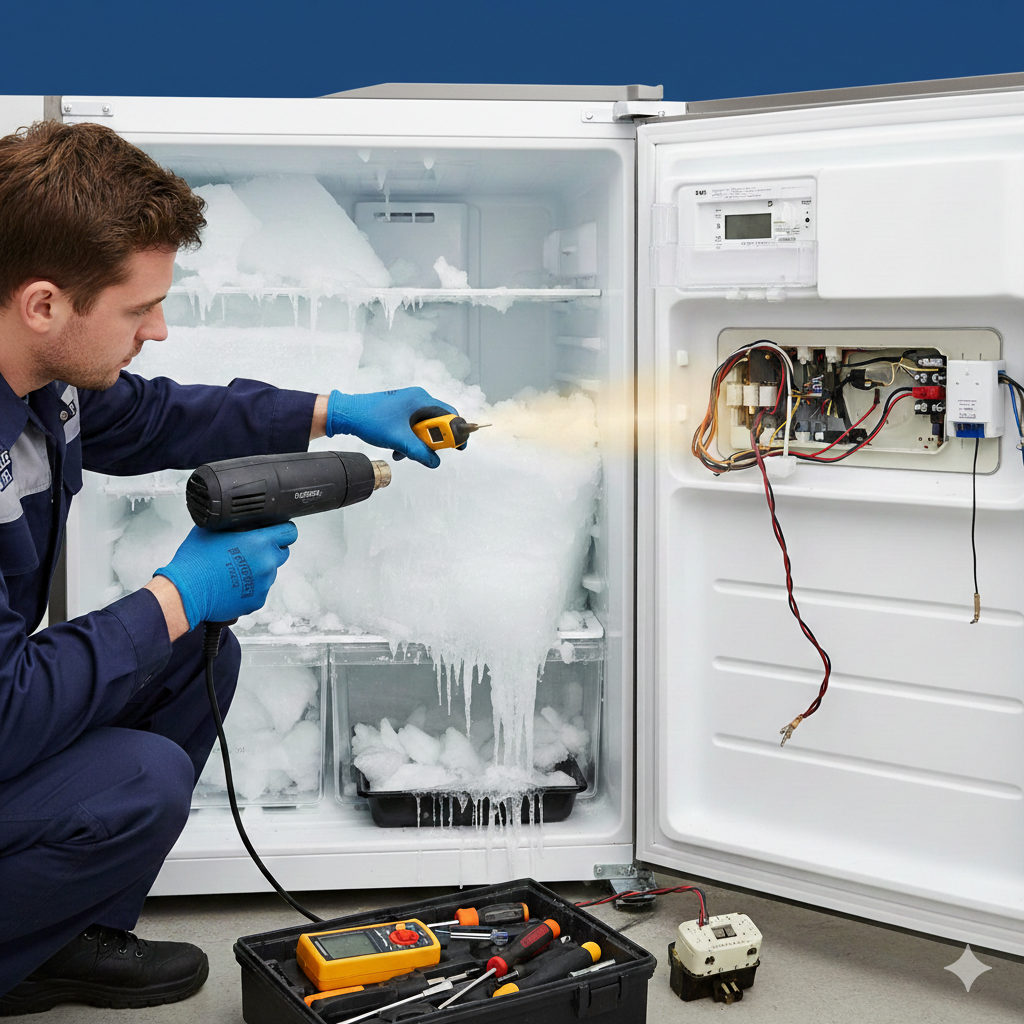
Fridge Repair Services in Dubai: How to Fix Frost Build-Up and Faulty Thermostats
Refrigerators play a vital role in every home and business in Dubai, where high temperatures make food preservation essential. When a fridge starts developing frost build-up or suffers from a faulty thermostat, it can quickly turn into a costly problem if ignored. These issues not only affect cooling performance but also increase electricity consumption and…
-
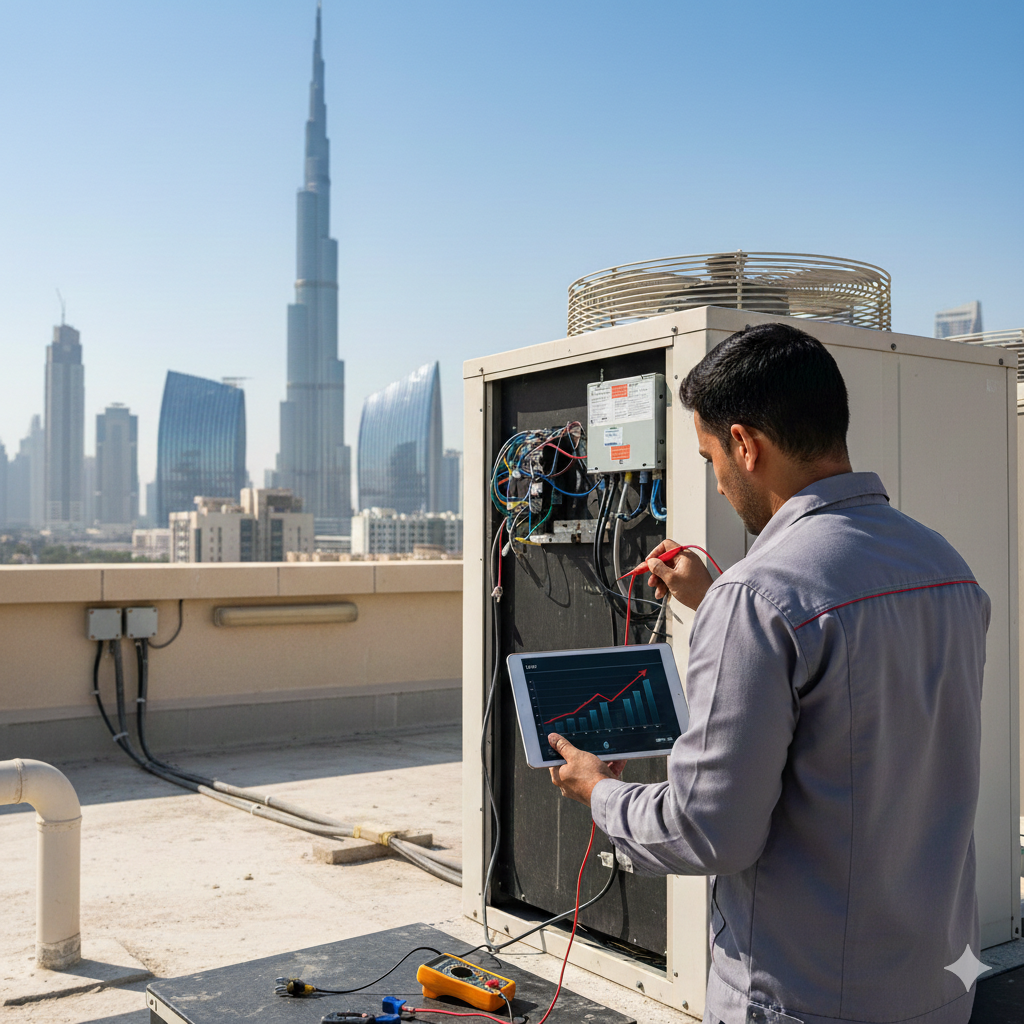
How AC Repair Services in Dubai Can Reduce High Electricity Consumption
Living in Dubai means relying heavily on air conditioning for most of the year. With extreme temperatures and long summers, AC systems often run for hours without a break. While this ensures comfort, it also leads to one major concern for residents and businesses alike — high electricity consumption. Many people are surprised when they…