
Opening Hook
Last summer in Dubai, Samira’s air conditioner gave out right in the middle of a heatwave. The timing couldn’t have been worse—her family had just sat down for iftar, and within minutes, the apartment turned into what felt like a desert tent. She grabbed her phone and Googled “AC repair near me.” But then she hesitated. Should she pay for yet another repair, or was it finally time to invest in a new AC?
It’s a dilemma almost every homeowner faces sooner or later: Is repairing the old unit enough, or is replacing it the smarter move?
The answer isn’t always straightforward. Sometimes a small repair can give your AC several more years of life. Other times, it’s like putting a band-aid on a deep wound—costly in the long run. Let’s explore this decision together, step by step, with stories, facts, and insights you can actually use.
1. Understanding the Role of Your AC
Before diving into repair versus replacement, let’s pause and remember why your air conditioner matters so much.
For families in Dubai, Karachi, or Abu Dhabi, an AC isn’t a luxury—it’s survival. With summer temperatures soaring past 40°C, an AC keeps not just comfort, but also health, intact. Heat exhaustion, dehydration, and poor indoor air quality all become risks without it.
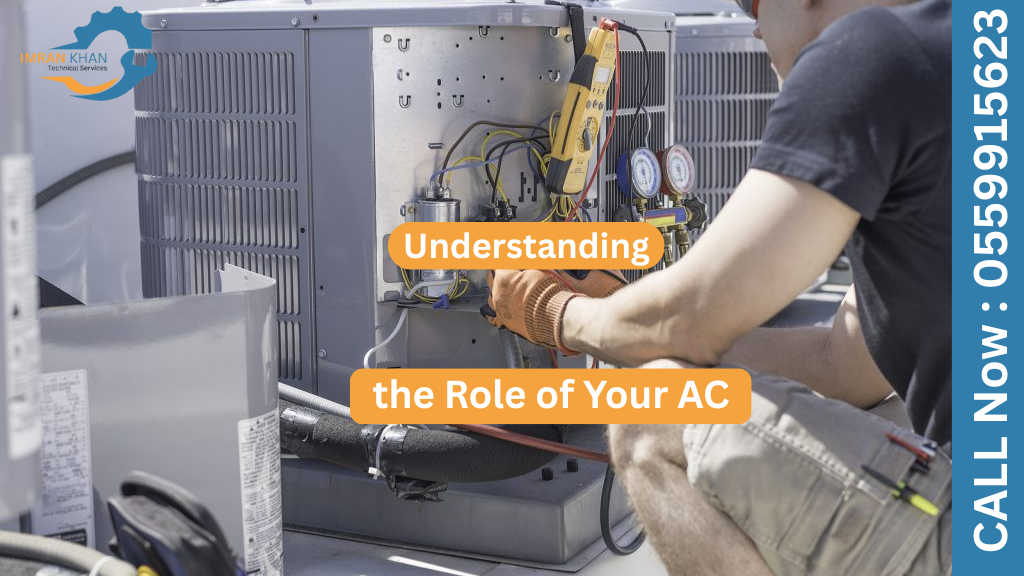
As a result, the decision isn’t about “if” you should fix your AC, but how best to ensure it keeps running reliably. That’s why weighing repair against replacement is more than just a financial calculation—it’s about safety and peace of mind.
2. When a Repair Makes Sense
Sometimes, the smartest choice is simply repairing the unit. If the AC is relatively new—say under 8 years old—most issues are minor and can be resolved quickly.
For instance, Samira’s neighbor had a similar situation: their AC stopped cooling, but the technician found the problem was just a clogged filter and low refrigerant. A routine service costing a few hundred dirhams had the unit humming again within hours.
Common repair-friendly problems include:
- Dirty filters and coils.
- Minor thermostat malfunctions.
- Refrigerant leaks.
- Faulty capacitors or wiring.
Furthermore, a repair is usually best when the cost is less than one-third of the price of a new system. A good rule of thumb is the “5,000 rule”—multiply the unit’s age by the cost of repair. If the total is less than 5,000, go ahead with the repair.
3. The Case for Replacement
In contrast, sometimes pouring money into repairs is like fueling a sinking ship.
If your unit is 12–15 years old, it’s likely nearing the end of its lifespan. Even if you fix one issue, another one may pop up soon after. Replacing the AC saves you from this cycle of breakdowns and unexpected bills.
Take the example of Omar in Abu Dhabi. His AC had been repaired three times in a single summer—first a motor issue, then a refrigerant leak, and finally a failed compressor. By the time he added up the costs, he realized he had spent almost half the price of a new unit. When he finally upgraded, his electricity bills dropped significantly, thanks to the improved efficiency of modern systems.
Signs that replacement might be the smarter choice include:
- Frequent breakdowns.
- Rising electricity bills.
- Uneven cooling across rooms.
- Outdated refrigerant (like R-22, which is being phased out).
- Strange noises or persistent odors.
4. Energy Efficiency: A Hidden Cost Factor
One of the biggest reasons to consider replacement is energy efficiency.
Older AC units are like gas-guzzling cars—they work, but they drain your wallet every month. In fact, according to the U.S. Department of Energy, modern air conditioners can use up to 40% less energy than systems made just a decade ago.
For example, an upgraded unit with a high SEER (Seasonal Energy Efficiency Ratio) rating might cost more upfront, but the savings in monthly bills can add up to thousands over its lifespan.
As a result, if your electricity bills keep climbing despite regular maintenance, replacing your AC could actually save you money long-term.
5. Emotional Attachment vs Practical Thinking
Surprisingly, many homeowners struggle to let go of their old ACs because they’ve “always worked” or “still have a few good years left.” This emotional attachment is understandable, especially if you’ve spent years maintaining it.
But think of it like keeping an old car. At some point, the hassle, fuel inefficiency, and repair bills outweigh the comfort of familiarity. A new AC may feel like an expense today, but it offers peace of mind tomorrow.
For instance, one family in Sharjah admitted they delayed replacement for three summers because of sentimental reasons. When they finally upgraded, they couldn’t believe they hadn’t done it earlier—the quiet operation, better cooling, and reduced bills felt like stepping into the future.
6. The Cost Perspective: Repair Now, Pay Later?
Let’s put numbers into perspective.
- A typical AC repair in Dubai might cost between AED 300–800.
- A major repair, like a compressor replacement, could exceed AED 2,000.
- A brand-new central AC unit could cost AED 7,000–12,000, depending on capacity and features.
At first glance, a repair seems much cheaper. But here’s the trap: multiple small repairs over time can quietly surpass the cost of a replacement.
As a result, it’s worth asking: Am I fixing the problem, or just delaying the inevitable?
7. Environmental Considerations
Beyond money, there’s the environmental angle. Older ACs often use refrigerants like R-22 (also known as Freon), which can harm the ozone layer. These are not only expensive to refill but are also being phased out globally.
Replacing with a modern, eco-friendly unit means lower emissions, less energy use, and compliance with international standards. In cities like Dubai, where green initiatives are on the rise, this shift isn’t just smart—it’s socially responsible.
8. Blending Both: Strategic Repairs with a Replacement Plan
Interestingly, the choice doesn’t always have to be black or white. Some homeowners choose a middle path: repair now, but plan for replacement soon.

For instance, if your AC is 10 years old but only needs a small repair, it may be worth fixing it this season while budgeting for a replacement next year. This approach gives you breathing space to research models, compare prices, and avoid making a rushed decision during the summer.
9. How to Decide: A Quick Checklist
Here’s a simple way to decide:
- Age: Less than 10 years → likely repair. More than 12 years → consider replacement.
- Frequency: More than 2 major repairs in one year → replacement.
- Efficiency: Rising bills despite servicing → replacement.
- Comfort: Uneven cooling or constant noise → replacement.
- Cost: If repair cost × unit age > 5,000 → replacement.
This checklist simplifies the decision into practical, easy-to-remember points.
Frequently Asked Questions (FAQ)
1. How do I know if I should repair or replace my AC?
Check your unit’s age, repair history, and efficiency. Repairs make sense for newer ACs (<10 years) with minor issues, while replacement is better for older units, frequent breakdowns, or rising electricity bills.
2. What are the signs that my AC needs replacement instead of repair?
Frequent breakdowns, uneven cooling, strange noises, outdated refrigerant (like R-22), and high electricity bills are all indicators that replacement may be the smarter choice.
3. Can repairing my AC save me money in the long run?
Yes, if your AC is relatively new and the repair is minor. However, multiple repairs over time can exceed the cost of a new, energy-efficient unit, making replacement more cost-effective in the long term.
4. How does energy efficiency affect the repair vs replacement decision?
Older ACs consume more electricity. Modern units with high SEER ratings use up to 40% less energy, which reduces bills over time. If your bills keep rising despite repairs, replacement is usually the better option.
5. Is it environmentally better to replace an old AC?
Yes. Older ACs often use harmful refrigerants like R-22, which damage the ozone layer. Newer eco-friendly units use safer refrigerants and consume less energy, reducing your carbon footprint.
Closing: Finding the Balance
Samira’s story had a happy ending. After weighing her options, she chose to replace her old AC. The upfront cost stung, but within a few months, she noticed the difference—her bills were lower, her nights cooler, and her worries gone.
Deciding between AC repair and replacement is a balancing act between short-term savings and long-term peace of mind. Repairs make sense for newer units with minor issues. Replacement is smarter for older, inefficient, or frequently failing systems.
So, the next time your AC gives you trouble, ask yourself: Am I fixing comfort for today, or investing in comfort for tomorrow?
Call-to-Action: Before the next heatwave, take 10 minutes to assess your AC’s age, condition, and repair history. A little planning today could save you from a sweaty, stressful summer tomorrow.
Latest Post:
-

Dishwasher Repair Services for Loud Noises: Causes, Fixes & When to Call Experts
A dishwasher should make a steady, low hum while running. If yours suddenly starts grinding, rattling, buzzing, or screeching, it’s a clear sign something isn’t right. Strange sounds are often the first warning that an internal component is loose, blocked, or wearing out. Ignoring the noise may lead to bigger and more expensive damage later.…
-
Fridge Repair Services in Dubai: How to Fix Frost Build-Up and Faulty Thermostats
Refrigerators play a vital role in every home and business in Dubai, where high temperatures make food preservation essential. When a fridge starts developing frost build-up or suffers from a faulty thermostat, it can quickly turn into a costly problem if ignored. These issues not only affect cooling performance but also increase electricity consumption and…
-
How AC Repair Services in Dubai Can Reduce High Electricity Consumption
Living in Dubai means relying heavily on air conditioning for most of the year. With extreme temperatures and long summers, AC systems often run for hours without a break. While this ensures comfort, it also leads to one major concern for residents and businesses alike — high electricity consumption. Many people are surprised when they…