Opening Hook
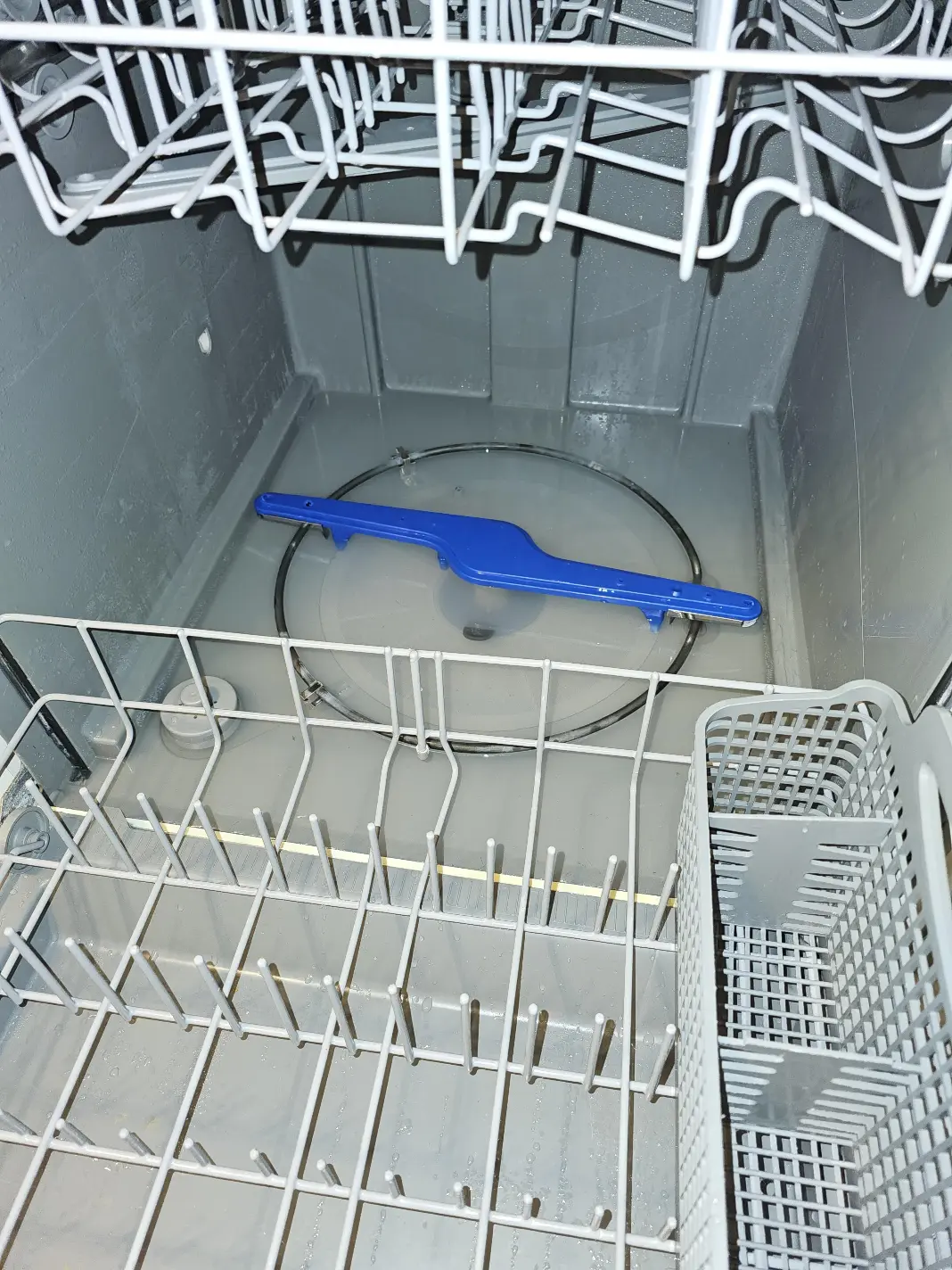
It’s Friday night. You’ve just finished a long week at work, enjoyed a home-cooked dinner with your family, and loaded the dishwasher so you can finally relax. But when you open the door an hour later, instead of sparkling plates, you find a pool of dirty, smelly water at the bottom. Your first thought? “Great. Now I’m stuck with a broken dishwasher.”
If you’ve ever faced this situation, you’re not alone. A dishwasher that won’t drain is one of the most common household complaints—and thankfully, it doesn’t always mean an expensive repair. In many cases, the solution is something you can handle yourself with a little patience and guidance.
Why Dishwashers Stop Draining
Before jumping into fixes, it helps to understand why the problem happens in the first place. A dishwasher drains water through a pump and hose system, but if something blocks the flow or the pump malfunctions, water remains trapped inside.
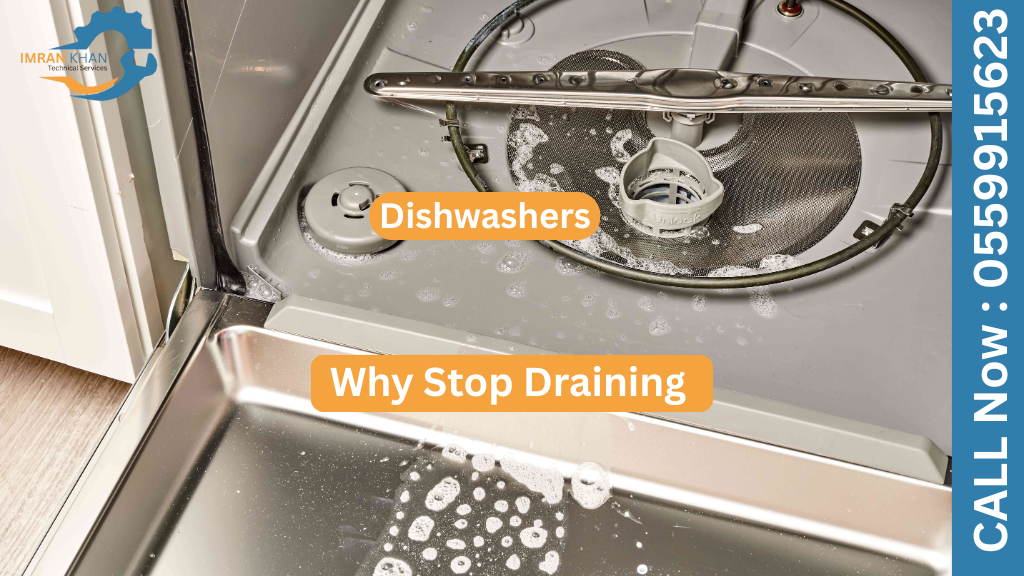
Common causes include:
- Clogged filters from leftover food particles.
- Blocked drain hoses that kink or get clogged with grease.
- Faulty drain pumps that stop pushing water out.
- Garbage disposal issues if the dishwasher is connected to one.
Knowing the “why” helps you tackle the “how.” Let’s walk through a step-by-step process to get your dishwasher draining again.
Step 1: Safety First
Before touching anything, unplug your dishwasher or switch off the circuit breaker. Water and electricity are not a safe combination.
For instance, Maria from Dubai learned this the hard way when she absentmindedly stuck her hand into the dishwasher while it was still running. Thankfully, she wasn’t injured, but it served as a reminder: always cut the power before troubleshooting.
Step 2: Remove Standing Water
Use a cup or a small container to scoop out as much water as possible. Then, mop up the rest with towels or sponges.
This step might feel tedious, but it gives you clear access to the bottom of the dishwasher. Plus, it prevents spills on your kitchen floor when you start checking the components.
Step 3: Check the Filter
The most common culprit is the filter, located at the bottom of the dishwasher. Over time, food particles, grease, and even small pieces of broken glass can clog it.
- Remove the filter carefully.
- Rinse it under warm running water.
- Use a soft brush to scrub away stubborn grime.
For instance, when Ali’s dishwasher stopped draining, he assumed the pump was broken. But after a quick inspection, he found a piece of spinach lodged in the filter. A two-minute rinse saved him a costly technician visit.
Step 4: Inspect the Drain Hose
Next, locate the drain hose at the back of the dishwasher. This hose carries dirty water to the sink’s drain or garbage disposal.
- Make sure the hose isn’t bent or kinked.
- Detach it and flush it with hot water to clear blockages.
- A plumbing snake or even a straightened coat hanger can help if the grease buildup is severe.
In contrast to the simple filter fix, hose blockages may take a little more effort. But once cleared, your dishwasher often works like new.
Step 5: Examine the Garbage Disposal
If your dishwasher is connected to a garbage disposal, the problem may lie there. Food waste buildup in the disposal can block the dishwasher’s drainage.
Try this:
- Run the disposal with cold water for 30 seconds.
- If your disposal is new, check that the knockout plug (a small plastic piece) has been removed from the dishwasher connection port.
As a result, many homeowners discover that the issue wasn’t the dishwasher at all—it was the garbage disposal acting as a bottleneck.
Step 6: Test the Drain Pump
If your filter and hose look fine, the drain pump might be faulty. This pump pushes water out of the dishwasher, and if it’s jammed or broken, draining won’t happen.
- Listen: Does the dishwasher make a humming noise during the drain cycle? That might indicate a stuck pump impeller.
- If it’s silent, the pump could be burnt out.
At this point, some people feel nervous about repairs. But don’t panic—many pumps can be replaced at home with the help of a detailed YouTube guide or the appliance manual.
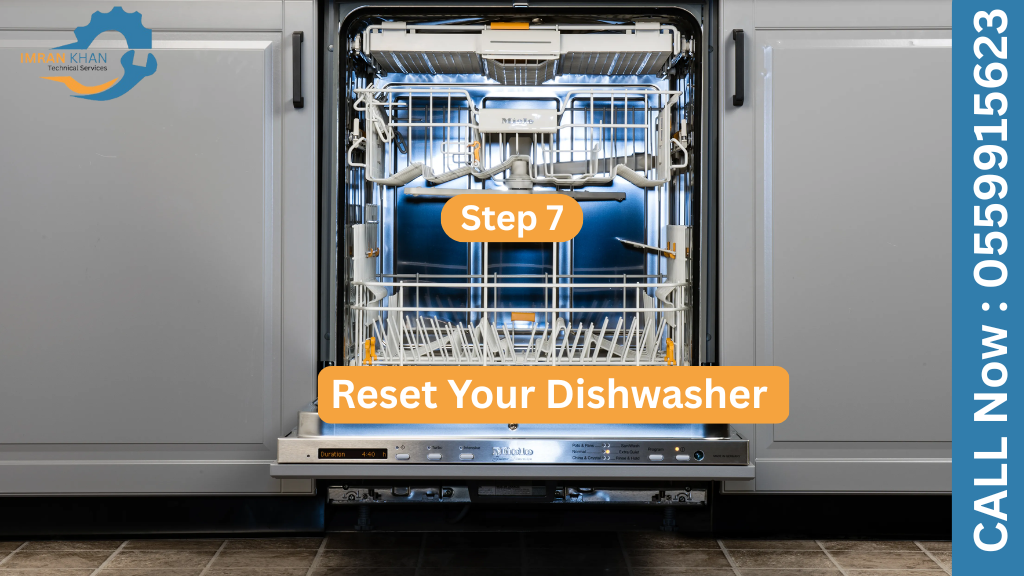
Step 7: Reset Your Dishwasher
Sometimes the fix is surprisingly simple: resetting the dishwasher. Modern machines have sensors that can get confused by temporary glitches.
- Try holding the Start/Reset button for a few seconds.
- Alternatively, switch off the power for five minutes, then turn it back on.
In many cases, this “reboot” solves the problem, much like restarting a computer.
Preventing Future Drainage Issues
Fixing your dishwasher is one thing—keeping it running smoothly is another.
Here are a few habits that prevent future problems:
- Scrape off large food scraps before loading dishes.
- Clean the filter at least once a month.
- Run hot water in the sink before starting the dishwasher to help dissolve grease.
- Use dishwasher-safe cleaners periodically to flush out buildup.
For example, Nadia schedules her dishwasher cleaning on the first Sunday of every month. It’s a small ritual that saves her from big headaches later.
When to Call a Professional
Not every issue can (or should) be solved on your own. If you’ve checked the filter, hose, pump, and disposal, but the dishwasher still won’t drain, it’s time to bring in a professional.
Furthermore, if you notice water leaking onto the floor, strange burning smells, or repeated electrical trips, don’t try to handle it yourself. Safety comes first, and trained technicians have the tools and knowledge to fix complex issues.
Frequently Asked Questions (FAQ)
1. Why is my dishwasher not draining water?
The most common reasons include a clogged filter, blocked drain hose, garbage disposal blockage, or a faulty drain pump. Food particles and grease buildup are usually the main culprits.
2. Can I fix a dishwasher drainage problem myself?
Yes. In many cases, you can fix the issue by cleaning the filter, checking and clearing the drain hose, running the garbage disposal, or resetting the dishwasher. These steps often solve the problem without professional help.
3. How often should I clean my dishwasher filter?
You should clean the dishwasher filter at least once a month. If you use your dishwasher frequently or don’t rinse dishes beforehand, cleaning it every two weeks is even better.
4. Why does my dishwasher drain slowly even after cleaning the filter?
Slow draining may be caused by grease buildup in the drain hose, a partially blocked garbage disposal, or a weakening drain pump. If the issue continues, a technician inspection may be needed.
5. When should I call a professional technician?
You should call a professional if the dishwasher still won’t drain after basic troubleshooting, or if you notice water leaks, burning smells, electrical issues, or repeated drainage failures.
Closing Thoughts
Remember that Friday night scenario with the dirty water? Imagine instead that you calmly scoop it out, clean the filter, and restart your dishwasher—only to find it drains perfectly. The relief of solving a problem yourself is both satisfying and empowering.
A dishwasher that won’t drain isn’t always a disaster. Most of the time, it’s a clogged filter, hose, or disposal—issues you can fix in less than an hour. And even if it turns out to be a bigger problem, you’ll know exactly what to tell the technician, saving both time and money.
So the next time your dishwasher stalls mid-cycle, don’t panic. Take a deep breath, grab a towel, and walk through these steps. Your future self—relaxing with clean dishes and no repair bill—will thank you.
Latest Post:

Strange AC Noise Fix: Complete AC Sound Problem Solution Guide
Certified Experts Same Day Service 24/7 Emergency Support 5000+ Happy Customers Google Rated Business Strange AC Noise Fix: Complete AC Sound Problem Solution Guide Home Is your AC making strange noises? While some sounds are normal during operation, unusual noises such as buzzing, rattling, clicking, banging, or hissing can indicate underlying problems that need attention.…

Washing Machine Not Cleaning Clothes? Expert & Technician
Washing Machine Not Cleaning Clothes? Causes, Fixes & Expert Repair Guide Home Certified Experts Same Day Service 24/7 Emergency Support 5000+ Happy Customers Google Rated Business A washing machine is designed to make laundry easier, but when it stops cleaning clothes properly, it can quickly become frustrating. If your clothes come out with stains, detergent…

Dishwasher Not Finishing Wash Cycle? Complete Guide & Quick Fixes
Dishwasher Not Finishing Wash Cycle? Causes, Fixes & Repair Guide Home Certified Experts Same Day Service 24/7 Emergency Support 5000+ Happy Customers Google Rated Business A dishwasher that stops before completing its wash cycle can be frustrating and inconvenient. Instead of clean dishes, you’re left with dirty plates, standing water, or a machine that suddenly…