Opening Hook
On a scorching summer afternoon, Ahmed opened his fridge only to find that the milk was lukewarm, the butter soft, and yesterday’s leftovers smelling sour. His first thought? “Maybe the gas has run out.” It’s a common assumption—many people believe refrigerator gas (refrigerant) needs to be refilled regularly, like topping up fuel in a car. But here’s the surprising truth: under normal circumstances, a fridge should never need a gas refill.
So, how often should fridge gas be refilled? Let’s uncover the real story behind this crucial question.
Understanding Fridge Gas and Its Role
The “gas” inside your fridge isn’t fuel—it’s a refrigerant. Its job is to circulate through coils, absorb heat from inside the fridge, and release it outside, keeping your food fresh.
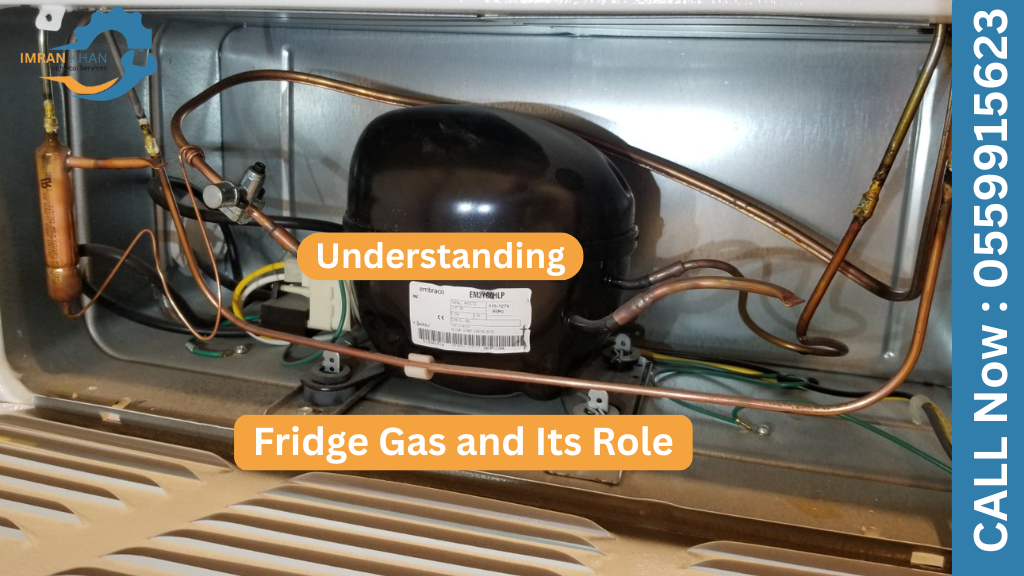
Think of it like blood in the human body. Just as blood keeps circulating without “refills,” refrigerant is designed to keep moving in a closed loop. As long as there’s no leak, the gas remains effective for the lifespan of the fridge.
The Myth of Regular Refills
Many homeowners believe fridge gas needs regular refilling every year or two. In contrast, experts agree this is a misconception. Refrigerators are sealed systems. If you find yourself refilling gas frequently, it signals a bigger issue: a leak.
For example, a family in Dubai noticed their fridge struggling to stay cool every six months. Each time, a local technician refilled the gas. Eventually, another expert discovered a tiny pinhole leak in the coil. Once repaired, the fridge ran smoothly for years—no refills required.
Signs Your Fridge Might Need a Refill
Even though fridge gas isn’t supposed to “run out,” there are clear signs of a refrigerant leak:
- Poor Cooling – Food stays warm even when the settings are correct.
- Longer Running Cycles – The motor runs almost all the time, trying to compensate.
- Unusual Noises – Hissing sounds may point to gas escaping.
- Ice Build-Up – In some cases, leaks cause uneven cooling, leading to frost on one side and warm spots on the other.
For instance, Sarah, living in a high-rise apartment, noticed her fridge light was on but the cooling was weak. A technician checked and confirmed the refrigerant had leaked due to a worn-out copper pipe. A quick repair and refill brought her fridge back to life.
How Often Should You Actually Refill?
Here’s the straight answer: You should only refill fridge gas when there’s a verified leak.
A healthy refrigerator can run 10–20 years without ever needing a refill. However, if you notice cooling issues and a technician diagnoses a leak, that’s when a refill becomes necessary.
Furthermore, repeated refills without fixing the underlying problem waste money. Imagine constantly filling air into a tire with a nail in it—it won’t hold for long unless the puncture is sealed.
Why Leaks Happen
Leaks are the real culprit behind gas loss. Common causes include:
- Corrosion: Especially in humid or coastal areas, coils can corrode over time.
- Physical Damage: Moving the fridge roughly can crack pipes.
- Poor Repairs: Substandard welding or improper maintenance can weaken the sealed system.
For example, one Dubai technician shared a story of a customer who moved apartments three times in two years. Each move put stress on the fridge’s pipes until a small crack developed, slowly leaking refrigerant. A refill fixed it temporarily, but only sealing the crack solved it for good.
Professional Refills: Why Expertise Matters
Unlike filling air in your car tires, fridge gas refilling isn’t a DIY task. It requires specialized tools to detect leaks, vacuum out air, and recharge the system with the correct refrigerant type.
In fact, different refrigerators use different refrigerants—older models might use R134a, while modern eco-friendly fridges use R600a. Using the wrong gas or overfilling can cause long-term damage.
As a result, always rely on certified technicians. They don’t just refill; they investigate why the fridge lost gas in the first place.
Preventive Care to Avoid Gas Problems
While you can’t stop every leak, a few habits reduce risks:

- Avoid Overloading – Heavy loads strain the compressor, which can overheat the system.
- Place Fridge Away from Heat – Keeping it next to stoves or direct sunlight makes it work harder.
- Clean Coils Regularly – Dusty coils force the fridge to overwork, stressing its sealed system.
- Gentle Handling During Moves – Always transport fridges upright and carefully to avoid pipe damage.
For instance, Ali, a resident of Jumeirah, scheduled annual maintenance where technicians checked coils and seals. Not only did this prevent leaks, but it also kept his energy bills lower.
The Cost of Ignoring Gas Issues
Ignoring refrigerant problems doesn’t just risk spoiled food. It can damage the compressor—the most expensive part of the fridge.
One customer ignored poor cooling for weeks, assuming it was a minor issue. Eventually, the compressor burned out, costing almost half the price of a new fridge. Had she addressed the refrigerant leak earlier, the repair would have been a fraction of the cost.
As a result, quick action saves both money and appliances.
Frequently Asked Questions (FAQ)
1. How often should fridge gas be refilled?
Under normal conditions, fridge gas should never need refilling. Refrigerators are sealed systems, and gas is only refilled when there is a confirmed refrigerant leak.
2. Does refrigerator gas finish over time?
No. Refrigerant does not get used up like fuel. If gas levels are low, it usually means there is a leak in the system that needs to be repaired.
3. What are the signs that my fridge needs a gas refill?
Common signs include weak or uneven cooling, food spoiling quickly, the compressor running continuously, hissing sounds, or ice forming in unusual areas.
4. Is it okay to refill fridge gas without fixing the leak?
No. Refilling gas without repairing the leak is only a temporary solution and leads to repeated problems and extra costs. The leak must be fixed first for long-term performance.
5. Can I refill fridge gas myself?
No. Fridge gas refilling requires special tools, proper leak detection, and the correct refrigerant type. It should always be done by a trained and certified technician.
Closing Reflection
So, how often should fridge gas be refilled? The honest answer: only when necessary, and ideally never. A well-sealed refrigerator is built to keep its refrigerant for its entire lifespan. If gas is low, it’s not a routine need—it’s a symptom of a leak that must be fixed.
Next time your fridge struggles to cool, don’t rush to request a gas refill. Instead, call a trusted technician to diagnose the real problem. Treat your fridge like the silent guardian of your home—it preserves food, protects your family’s health, and saves you money when cared for properly.
After all, a fridge doesn’t just store groceries—it quietly supports your daily life. And ensuring it runs smoothly is always worth the effort.
Latest Post:

Strange AC Noise Fix: Complete AC Sound Problem Solution Guide
Certified Experts Same Day Service 24/7 Emergency Support 5000+ Happy Customers Google Rated Business Strange AC Noise Fix: Complete AC Sound Problem Solution Guide Home Is your AC making strange noises? While some sounds are normal during operation, unusual noises such as buzzing, rattling, clicking, banging, or hissing can indicate underlying problems that need attention.…

Washing Machine Not Cleaning Clothes? Expert & Technician
Washing Machine Not Cleaning Clothes? Causes, Fixes & Expert Repair Guide Home Certified Experts Same Day Service 24/7 Emergency Support 5000+ Happy Customers Google Rated Business A washing machine is designed to make laundry easier, but when it stops cleaning clothes properly, it can quickly become frustrating. If your clothes come out with stains, detergent…

Dishwasher Not Finishing Wash Cycle? Complete Guide & Quick Fixes
Dishwasher Not Finishing Wash Cycle? Causes, Fixes & Repair Guide Home Certified Experts Same Day Service 24/7 Emergency Support 5000+ Happy Customers Google Rated Business A dishwasher that stops before completing its wash cycle can be frustrating and inconvenient. Instead of clean dishes, you’re left with dirty plates, standing water, or a machine that suddenly…