Opening Hook
It was the hottest day of July, and Aslam from Dubai noticed his air conditioner wasn’t cooling the room as it used to. The fan was running, electricity bills were climbing, yet the air felt lukewarm. After calling a technician, he discovered the culprit: dirty coils. Layers of dust and grime were choking his AC from the inside. The technician smiled and said, “If you’d cleaned the coils earlier, you could have saved yourself both the bill and the headache.”
Most people neverthink about their AC coils until something goes wrong—but keeping them clean is surprisingly simple, and it can make all the difference in comfort and savings.
Why AC Coils Matter More Than You Think
At the heart of every air conditioner are two essential components: the evaporator coil (located inside your home) and the condenser coil (located in the outside unit). Together, they are responsible for absorbing heat from your indoor air and releasing it outdoors.
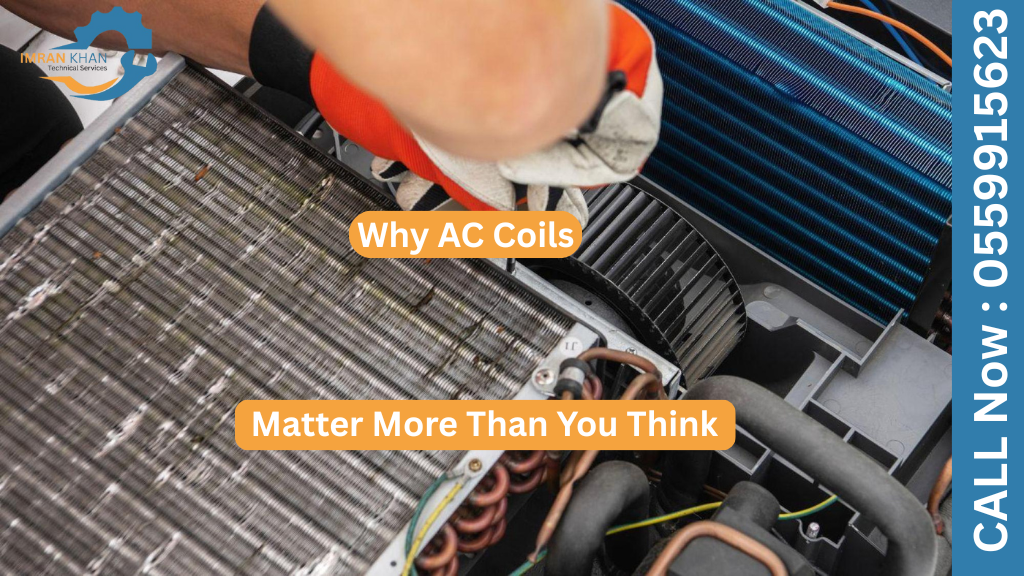
When these coils are covered in dirt, dust, or mold, the system must work much harder to perform its job. Furthermore, clogged coils not only reduce cooling efficiency but also increase electricity consumption, strain the AC motor, and shorten the lifespan of your unit.
For instance, according to the U.S. Department of Energy, dirty coils can increase energy consumption by up to 30%. That’s like paying for three AC units but only enjoying the cooling of one.
Signs Your AC Coils Need Cleaning
You don’t always need to wait for a professional to tell you something’s wrong. Some everyday clues indicate your coils are dirty:
- The AC isn’t cooling as effectively.
- Airflow feels weaker than usual.
- Your electricity bills suddenly spike.
- The AC runs longer cycles or never seems to shut off.
- You notice unusual odors, often musty or dusty.
In contrast, a well-maintained AC with clean coils runs quietly, cools faster, and consumes less energy.
Safety First: Preparing for the Job
Before diving into DIY cleaning, safety should always come first.
- Turn off the power supply – Switch off your AC from the main circuit breaker.
- Wear gloves and goggles – This protects you from sharp fins and cleaning chemicals.
- Gather tools – A soft brush, fin comb, garden hose (for outdoor coil), spray bottle, and a coil cleaning solution (available in most hardware stores).
As a result, you’ll avoid accidents and ensure the cleaning process goes smoothly.
Step-by-Step Guide: Cleaning the Evaporator Coil (Indoor Unit)
The evaporator coil is usually hidden behind a panel inside the indoor unit. Cleaning it may sound intimidating, but here’s how to do it:
- Locate the coil – Remove the front panel and filters of your AC unit. Behind them lies the evaporator coil, often shaped like an “A.”
- Use a soft brush – Gently remove dust and debris from the coil surface. Avoid pressing too hard, as the fins are delicate.
- Apply coil cleaner – Spray the cleaning solution evenly over the coil. Most cleaners are “self-rinsing,” meaning the condensation will wash away the dirt naturally.
- Clean the drain pan – Dirt and mold often collect here. Wipe it down with soapy water or a mixture of vinegar and water.
- Reassemble the unit – Replace the filters (or wash them if reusable), close the panel, and you’re good to go.
For instance, Farah in Karachi cleaned her indoor coil after noticing her AC giving off a musty smell. After the simple DIY session, not only was the smell gone, but the cooling improved drastically overnight.
Step-by-Step Guide: Cleaning the Condenser Coil (Outdoor Unit)
The condenser coil, located in the outdoor unit, faces dust, leaves, and pollution every day. It needs extra care to stay efficient.
- Switch off the unit – Always ensure the outdoor unit is disconnected from power.
- Remove debris – Clear away leaves, dirt, or twigs from around the unit.
- Unscrew the cover – Access the coil by removing the outer panel.
- Vacuum or brush dirt away – Use a soft brush or vacuum with a nozzle attachment to clean between the fins.
- Spray with coil cleaner – Apply the solution generously and let it sit for 5–10 minutes.
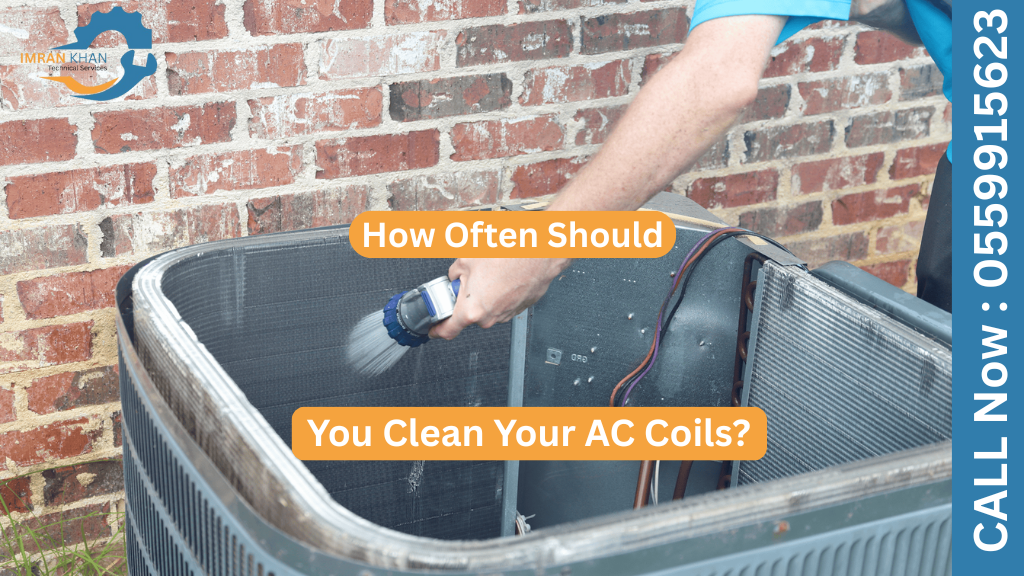
- Rinse with a garden hose – Gently wash off the cleaner, spraying from the inside out to push dirt away. Avoid high pressure, as it can bend the fins.
- Straighten bent fins – Use a fin comb to realign them for proper airflow.
As a result, your outdoor unit will breathe better and cool more efficiently.
Homemade Cleaning Solutions: A Budget-Friendly Option
Not everyone has access to store-bought coil cleaners. In such cases, a simple DIY mix works wonders.
- Vinegar + Water Solution: Mix equal parts vinegar and water in a spray bottle. This helps kill mold and cut through grime.
- Mild Dish Soap + Water: A few drops of dish soap in warm water create a gentle yet effective cleaner.
For instance, the Raza family in Lahore relied on this homemade method during lockdowns when hardware stores were closed. Their AC continued running smoothly without professional help.
How Often Should You Clean Your AC Coils?
The frequency of cleaning depends on where you live and how often you use the AC.
- Every 6 months – For dusty regions or households that use AC year-round.
- Once a year – For moderate climates with seasonal AC use.
- Quarterly checks – For coastal areas where salt can corrode coils quickly.
Furthermore, regular cleaning not only ensures comfort but also extends the life of your unit by several years.
Benefits of DIY AC Coil Cleaning
Why bother with coil cleaning at home when professionals exist? The answer is simple: convenience, savings, and peace of mind.
- Lower energy bills – A clean coil means the AC doesn’t overwork.
- Better indoor air quality – Less dust and mold circulating in your home.
- Fewer breakdowns – Preventive cleaning reduces strain on the system.
- Longer AC lifespan – Well-maintained coils reduce wear and tear.
- Quick results – Immediate improvement in cooling efficiency.
For example, one homeowner in Sharjah reported saving nearly 20% on electricity bills after just one thorough cleaning session.
When to Call a Professional Instead
DIY cleaning is effective, but it has limits. If you notice thick layers of grime, refrigerant leaks, or strange noises, it’s better to call an HVAC professional.
In contrast to light dirt or dust, deep blockages often require industrial-strength tools and expertise. Think of DIY cleaning as regular brushing, while professional servicing is like visiting the dentist for scaling and polishing. Both are necessary for long-term health.
Frequently Asked Questions (FAQ)
1. Why is it important to clean AC coils regularly?
Clean AC coils improve cooling efficiency, reduce electricity bills, prevent system strain, and extend the overall lifespan of the air conditioner.
2. How do I know if my AC coils are dirty?
Common signs include weak cooling, higher energy bills, longer running cycles, poor airflow, and musty or dusty odors from the AC.
3. Can I clean AC coils myself at home?
Yes, light dirt and dust can be cleaned safely using a soft brush, coil cleaner, or mild homemade solutions—provided the power is turned off and safety steps are followed.
4. How often should AC coils be cleaned in hot and dusty areas?
In hot and dusty regions like Dubai, AC coils should ideally be cleaned every 6 months, with regular visual checks in between.
5. When should I call a professional for AC coil cleaning?
If coils are heavily clogged, damaged, leaking refrigerant, or if the AC makes unusual noises, it’s best to call a professional HVAC technician.
Closing: Small Effort, Big Rewards
Air conditioners are like silent companions during scorching summers, working tirelessly to keep us comfortable. Yet, too often, they’re neglected until problems arise.
By spending just a couple of hours on DIY coil cleaning, you can enjoy cooler air, lower bills, and a longer-lasting system. More importantly, you’ll avoid those frustrating days when the AC struggles just when you need it most.
So the next time you feel warm air blowing instead of cool comfort, remember: it might just be your AC asking for a simple cleaning session.
Final Thought: Don’t wait for breakdowns. Grab a brush, some cleaner, and give your AC coils the care they deserve. Your comfort—and your wallet—will thank you.
Latest Post:
24/7 Emergency Electrician Dubai — Fast Response Guaranteed
24/7 Emergency Electrician Dubai — Fast Response Guaranteed Home Certified Experts Same Day Service 24/7 Emergency Support 5000+ Happy Customers Google Rated Business Electrical emergencies can happen at any time, and delaying repairs can put your family, employees, and property at risk. Whether you’re experiencing a complete power outage, exposed live wires, burning smells, or…
Electrical Repair Services Dubai — Complete Guide 2026
Certified Experts Same Day Service 24/7 Emergency Support 5000+ Happy Customers Google Rated Business Electrical Repair Services Dubai — Complete Guide 2026 Home Electrical issues can happen without warning and should never be ignored. Whether you’re dealing with a power outage, faulty wiring, flickering lights, or a tripping circuit breaker, professional help is essential to…

Strange AC Noise Fix: Complete AC Sound Problem Solution Guide
Certified Experts Same Day Service 24/7 Emergency Support 5000+ Happy Customers Google Rated Business Strange AC Noise Fix: Complete AC Sound Problem Solution Guide Home Is your AC making strange noises? While some sounds are normal during operation, unusual noises such as buzzing, rattling, clicking, banging, or hissing can indicate underlying problems that need attention.…