Opening Hook
It was a Friday night, and Sara had just finished hosting a dinner for six friends in her Downtown Dubai apartment. Plates piled high, glasses stacked neatly, and all she wanted was to load her trusty dishwasher and relax. But when she pressed the start button, nothing happened. No lights, no hum, not even the faint sound of water filling. Just silence.
If you’ve ever faced this frustrating scenario, you know the sinking feeling. A dishwasher that won’t start can turn a convenient appliance into a source of stress. But before you panic and call a technician, it’s worth learning some simple troubleshooting steps that could save you both time and money.
Step 1: Check the Power Supply
One of the most common reasons a dishwasher won’t start is surprisingly simple—it isn’t receiving power.

For instance, sometimes the power cord comes loose, or the circuit breaker trips without you realizing. In Sara’s case, a quick look at the fuse box revealed the dishwasher’s circuit had tripped during a brief power surge. Resetting it brought her dishwasher back to life.
As a result, the first thing you should always do is check:
- Is the dishwasher plugged in securely?
- Has the circuit breaker or fuse blown?
- Is there a problem with the outlet itself?
A basic power check can often save you from unnecessary repairs.
Step 2: Examine the Door Latch
Dishwashers are designed with safety in mind, and one key feature is the door latch mechanism. If the door isn’t fully closed or the latch is broken, the dishwasher simply won’t start.
Furthermore, years of use can cause the latch to wear out, misalign, or collect debris that prevents it from locking properly. Gently inspect the latch and listen for the click when closing. If you don’t hear it, that might be the culprit.
For example, one homeowner in Dubai Marina found her dishwasher wouldn’t start because a small plastic fork had slipped into the latch area, preventing it from closing tightly. Removing the fork solved the issue instantly—no tools required.
Step 3: Test the Control Panel
The control panel is like the “brain” of the dishwasher, sending signals to begin the wash cycle. But what if that brain gets confused?
Sometimes, a faulty start button, child lock activation, or electronic glitch can make it seem like the dishwasher is dead. In these cases, performing a reset can often solve the problem.
In contrast to a full repair, this is something you can try at home:
- Hold down the Start/Reset button for 3–5 seconds.
- Disconnect the dishwasher from power for a few minutes before plugging it back in.
- Check the user manual for model-specific reset instructions.
As a real-life example, Ahmed, a resident in Jumeirah Towers, thought his dishwasher had completely failed. After calling a technician, he discovered the child lock feature had been accidentally activated—preventing the start button from working. A simple button combination fixed it in seconds.
Step 4: Inspect the Timer or Selector Switch
On older dishwashers, the timer or selector switch controls the wash cycle. If this part wears out or breaks, the machine won’t start at all.
Furthermore, electrical issues like burnt-out contacts or wiring problems can make the timer fail silently. A quick way to test is by turning the knob or pressing different cycles to see if anything responds.
If there’s still no reaction, it may be time for a replacement. While this repair usually requires professional help, identifying the timer as the likely issue can help you explain the problem clearly to your technician, saving time during diagnosis.
Step 5: Look at the Water Supply
Another common but overlooked cause is the water supply valve. Dishwashers won’t start a cycle if they sense no water coming in.
For instance, if the water supply line is kinked, blocked, or the valve is closed, the dishwasher may stay silent. In Sara’s case, after solving her circuit issue, she once again ran into trouble—the dishwasher started but immediately shut down. The reason? The water valve under the sink was accidentally turned off during some plumbing work.
As a result, always check that water is flowing properly to your dishwasher before assuming the problem is mechanical.
Step 6: Investigate the Thermal Fuse
Inside many dishwashers is a thermal fuse—a safety feature that shuts down the machine if it overheats. If this fuse blows, the dishwasher won’t start at all.
In contrast to a tripped breaker, a blown thermal fuse won’t reset on its own. It needs to be replaced. While this is often a job for a professional, simply knowing about the fuse can help you understand why your dishwasher seems “dead.”
Step 7: Check the Motor and Drive Components
If all else fails, the issue might be deeper—the motor or drive components could be malfunctioning. When the motor fails, the dishwasher may remain silent, or you might hear a faint humming noise without any action.
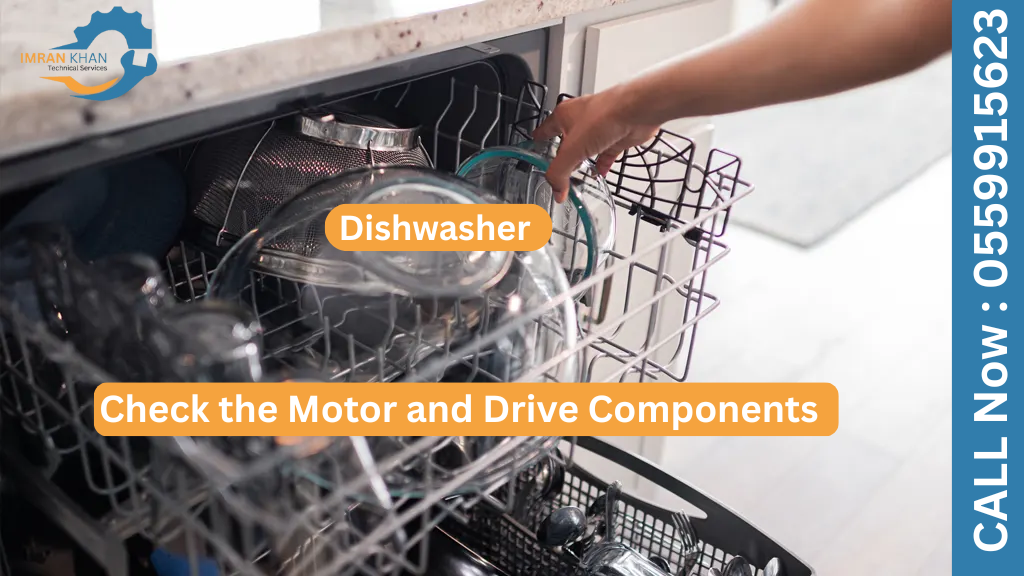
For instance, Rashid from Downtown Dubai once ignored that faint humming for weeks until his dishwasher completely refused to start. When the technician opened it up, the motor had burnt out due to food particles clogging the pump.
Regular maintenance, such as cleaning the filters and removing food debris, can help avoid costly motor damage.
Practical Tips to Prevent Future Problems
While troubleshooting can solve many issues, prevention is always better. Here are a few habits that can keep your dishwasher running smoothly:
- Clean the Filters Regularly: Prevents blockages that strain the motor.
- Avoid Overloading: Overstuffing prevents proper door closure and stresses components.
- Use the Right Detergent: Using non-dishwasher soap can cause clogs and residue.
- Check for Small Objects: Utensils or food pieces stuck in the latch can stop the cycle.
- Run Hot Water Before Starting: Ensures the dishwasher fills with hot water immediately.
When to Call a Professional
While many issues can be resolved with simple checks, there are times when professional help is necessary. If you’ve tested the power, door latch, water supply, and reset the machine with no luck, calling a technician is the smartest move.
Furthermore, attempting DIY repairs on electrical parts or motors without training can be dangerous. Professionals have the tools to diagnose and fix problems quickly, often saving you money compared to trial-and-error attempts.
Frequently Asked Questions (FAQ)
1. Why won’t my dishwasher start even though it’s plugged in?
This usually happens due to a tripped circuit breaker, a faulty outlet, or a blown fuse. Always check the power supply and reset the breaker before assuming a major problem.
2. Can a dishwasher fail to start if the door isn’t closed properly?
Yes. Dishwashers have a safety door latch, and if it isn’t fully closed or is damaged, the machine will not start.
3. How do I reset a dishwasher that won’t start?
You can reset most dishwashers by holding the Start/Reset button for a few seconds or unplugging the unit for a few minutes. Refer to the user manual for model-specific reset instructions.
4. Will a dishwasher stop working if there is no water supply?
Yes. If the water valve is closed, the hose is kinked, or water flow is blocked, the dishwasher may not begin the wash cycle.
5. When should I call a professional dishwasher technician?
If basic checks like power, door latch, water supply, and resetting don’t solve the issue, or if electrical parts or the motor may be involved, it’s best to call a professional for safe and accurate repair.
Closing: From Frustration to Relief
Back to Sara’s story—what started as panic turned into a relief-filled evening when she discovered the issue was just a tripped breaker. Within minutes, her dishwasher was humming happily, saving her from a mountain of dishes.
That’s the reality for many of us. A dishwasher that won’t start doesn’t always signal the end of its life. Often, the solution is something simple—a latch, a switch, a reset, or a water valve.
Final Thought: The next time your dishwasher refuses to cooperate, don’t immediately assume the worst. Instead, walk through these troubleshooting steps. You might just discover the solution is right at your fingertips—and your evening can return to the peace and comfort of a clean kitchen.
Latest Post:

Strange AC Noise Fix: Complete AC Sound Problem Solution Guide
Certified Experts Same Day Service 24/7 Emergency Support 5000+ Happy Customers Google Rated Business Strange AC Noise Fix: Complete AC Sound Problem Solution Guide Home Is your AC making strange noises? While some sounds are normal during operation, unusual noises such as buzzing, rattling, clicking, banging, or hissing can indicate underlying problems that need attention.…

Washing Machine Not Cleaning Clothes? Expert & Technician
Washing Machine Not Cleaning Clothes? Causes, Fixes & Expert Repair Guide Home Certified Experts Same Day Service 24/7 Emergency Support 5000+ Happy Customers Google Rated Business A washing machine is designed to make laundry easier, but when it stops cleaning clothes properly, it can quickly become frustrating. If your clothes come out with stains, detergent…

Dishwasher Not Finishing Wash Cycle? Complete Guide & Quick Fixes
Dishwasher Not Finishing Wash Cycle? Causes, Fixes & Repair Guide Home Certified Experts Same Day Service 24/7 Emergency Support 5000+ Happy Customers Google Rated Business A dishwasher that stops before completing its wash cycle can be frustrating and inconvenient. Instead of clean dishes, you’re left with dirty plates, standing water, or a machine that suddenly…