
Opening Hook
On a sweltering July afternoon in Dubai, Omar came home to find his living room as cool as a breezy spring morning. The surprising part? He hadn’t left the air conditioner running all day. Instead, his smart thermostat had “learned” his daily routine and cooled the room just in time for his arrival. Omar smiled—not only was he comfortable, but he was also saving money on his electricity bill without lifting a finger.
This is the magic of smart thermostats: devices that don’t just control temperature, but transform how efficiently your air conditioning system operates.
What Makes a Thermostat “Smart”?
At its core, a thermostat is the brain of your cooling system—it tells your AC when to turn on, how long to run, and when to shut down. Traditional thermostats require manual adjustments. Programmable thermostats added convenience, letting you set schedules.
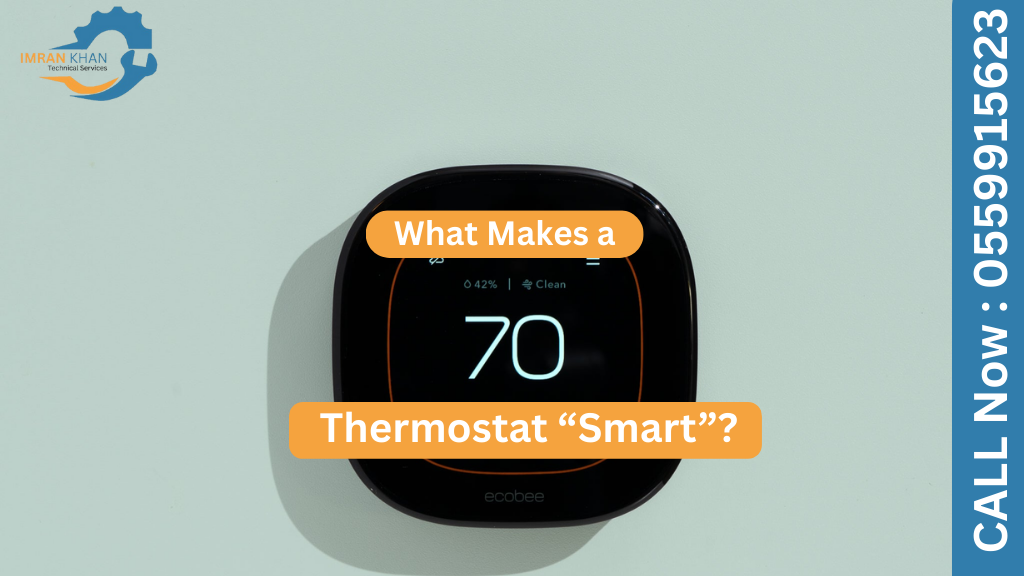
But smart thermostats take things a step further. They connect to Wi-Fi, use sensors, and often come with mobile apps, allowing homeowners to control settings remotely, track energy usage, and even let the device “learn” their habits.
For instance, if you tend to lower the temperature before bed, a smart thermostat will eventually do it automatically.
Energy Savings Through Precision
One of the biggest advantages of smart thermostats is their ability to save energy without compromising comfort.
Traditional thermostats often cause systems to run longer than necessary, wasting energy. Smart thermostats, however, use real-time data and occupancy sensors to adjust cooling. If no one is home, the device won’t keep blasting cold air into an empty room.
As a result, studies show that households using smart thermostats can reduce energy bills by 10–20% annually—a significant amount in hot climates like the UAE, where AC accounts for up to 70% of household electricity consumption.
Remote Control at Your Fingertips
Imagine being stuck in traffic, realizing you forgot to turn off the AC before leaving for work. In the past, that meant wasted energy all day. With a smart thermostat, you can simply open an app on your phone and switch it off instantly.
In contrast, you can also turn it on before heading home, ensuring you arrive to a cool and comfortable space. This level of control not only saves energy but also enhances convenience—a benefit modern homeowners value deeply.
Learning Your Lifestyle
Perhaps the most fascinating feature of smart thermostats is their ability to “learn.”
For example, Fatima’s family usually gathers in the living room in the evenings. Over time, the smart thermostat recognized this pattern, cooling that part of the home in advance while conserving energy during the day.
This adaptive learning means the thermostat doesn’t just follow a rigid schedule—it anticipates comfort needs while minimizing unnecessary AC use.
Integrating with Other Smart Home Devices
Smart thermostats don’t exist in isolation; they often integrate seamlessly with other smart home devices.
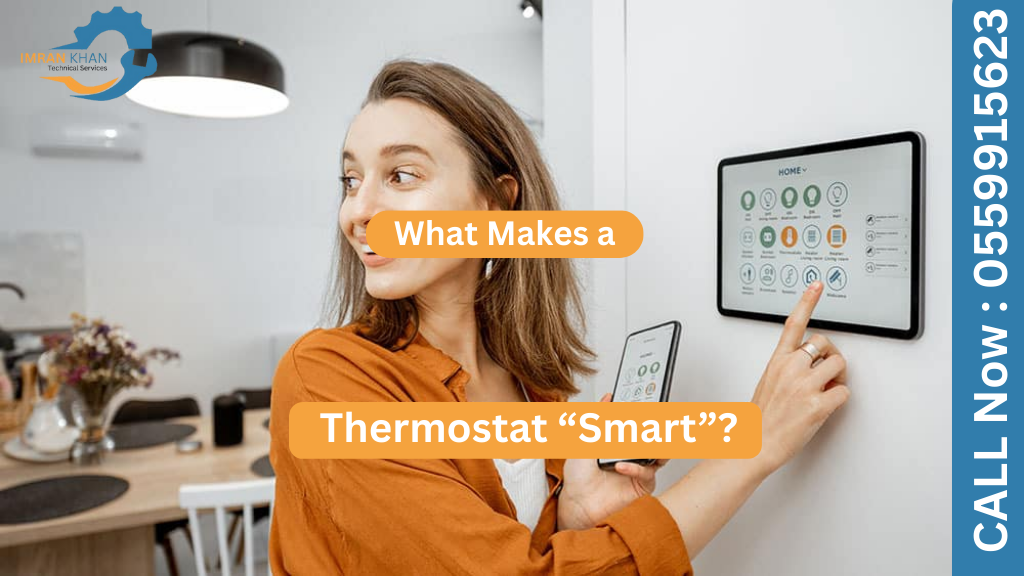
- Voice assistants: You can say, “Alexa, set the living room to 23 degrees,” without lifting a finger.
- Smart blinds: The thermostat can coordinate with motorized blinds to block sunlight during peak hours, reducing AC strain.
- Energy monitoring systems: Some thermostats give you detailed reports of how much energy your AC consumes, helping you identify savings opportunities.
Furthermore, in climates where summers are extreme, this integration ensures your home runs like a well-coordinated orchestra—every device working together for maximum efficiency.
Maintenance Alerts and Efficiency Tracking
Smart thermostats also act as vigilant guardians for your AC system.
For instance, they can notify you when it’s time to replace a dirty air filter. Why does that matter? Clogged filters force AC units to work harder, increasing energy use and reducing efficiency.
Some models even track how long your system has been running, giving you insights into potential maintenance needs before a breakdown occurs. As a result, you save money not just on electricity, but also on costly emergency repairs.
Real-Life Impact: A Case Study
Consider Ahmed, a homeowner in Dubai Marina. Before installing a smart thermostat, his electricity bills during peak summer months averaged AED 1,200. After switching, his bills dropped by nearly 18%—without sacrificing comfort.
What made the difference? The thermostat reduced unnecessary cooling during office hours, pre-cooled his home before he arrived, and alerted him to clean his clogged filter. A few simple changes, guided by smart technology, transformed both his comfort and his expenses.
Environmental Benefits Beyond Savings
While saving money is a strong motivator, smart thermostats also contribute to sustainability.
Every kilowatt-hour of electricity saved reduces carbon emissions. In countries like the UAE, where demand for air conditioning is exceptionally high, widespread adoption of smart thermostats could significantly reduce energy strain on the grid.
In contrast to older systems that often overwork and waste energy, smart thermostats optimize cooling in real time, making every degree of comfort eco-friendly.
Are They Worth the Investment?
Smart thermostats do come with an upfront cost—anywhere between AED 600 to AED 1,200, depending on the brand and features. But the return on investment is often seen within the first one to two years through energy savings alone.
Furthermore, the added comfort, convenience, and preventive maintenance alerts make it more than just a gadget—it becomes an essential tool for modern living in hot climates.
FAQ: Smart Thermostats in Dubai
1. What makes a thermostat “smart” compared to traditional ones?
Smart thermostats connect to Wi-Fi, use sensors, and often have mobile apps. They can learn your daily routines, adjust temperature automatically, track energy usage, and allow remote control, unlike manual or programmable thermostats.
2. How do smart thermostats save energy and reduce electricity bills?
By using real-time data and occupancy sensors, smart thermostats prevent unnecessary cooling when no one is home and optimize temperature settings. Households can save 10–20% annually on AC-related electricity costs.
3. Can I control a smart thermostat remotely?
Yes. Using a mobile app, you can adjust temperature settings, turn your AC on or off, and even pre-cool your home before arrival—anytime, anywhere.
4. Do smart thermostats help maintain my AC system?
Absolutely. Many models provide alerts for maintenance tasks like changing filters or tracking runtime, helping prevent costly breakdowns and improving efficiency.
5. Are smart thermostats worth the upfront cost?
Yes. Although prices range from AED 600 to AED 1,200, most users see a return on investment within 1–2 years through energy savings, increased comfort, and preventive maintenance benefits.
Closing Thoughts
Air conditioning is no longer a luxury in places like Dubai—it’s a necessity. But running it efficiently is the key to balancing comfort, cost, and sustainability. Smart thermostats bridge that gap by giving homeowners precise control, predictive learning, and meaningful energy savings.
So the next time you walk into a perfectly cooled room without having touched the thermostat, remember—it’s not magic, it’s smart technology working for you.
The real question is: will you let your AC run on outdated habits, or will you give it the intelligence it needs to work smarter, not harder?
Latest Post:

Fridge Not Cooling Properly – Causes and Refrigerator Not Cooling Solution
A refrigerator is one of the most important appliances in any home. It keeps food fresh, prevents spoilage, and helps store groceries for longer periods. However, many homeowners face a common problem when their fridge not cooling properly. This issue can quickly become frustrating because it can cause food to spoil, increase electricity consumption, and…
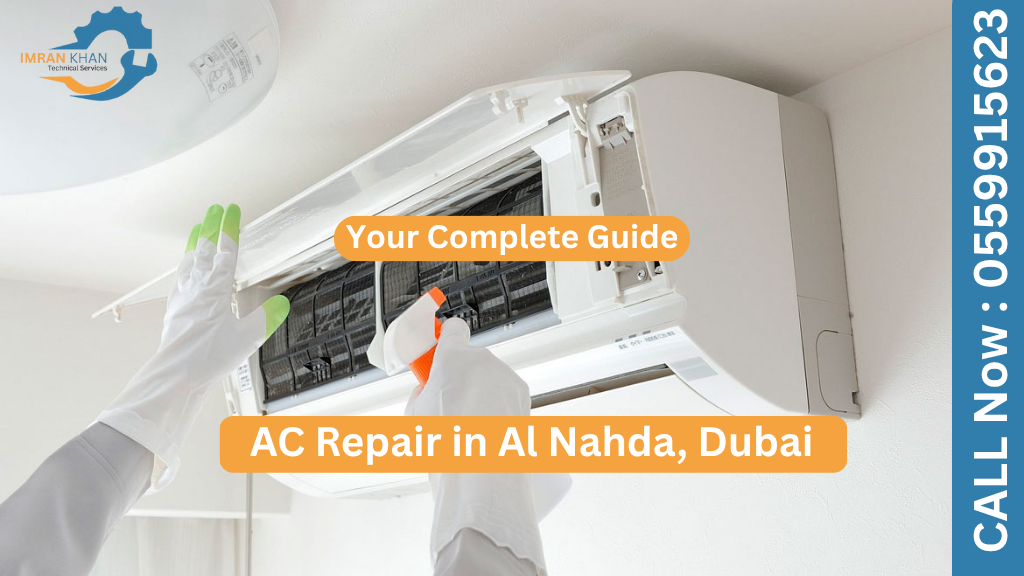
AC Running But Not Cooling – Reliable AC Not Cooling
Air conditioners are essential for keeping homes and offices comfortable during hot weather. However, one of the most common problems people face is when the AC running but not cooling. In this situation, the air conditioner turns on and the fan works, but the air coming out is not cold. This problem can be frustrating,…
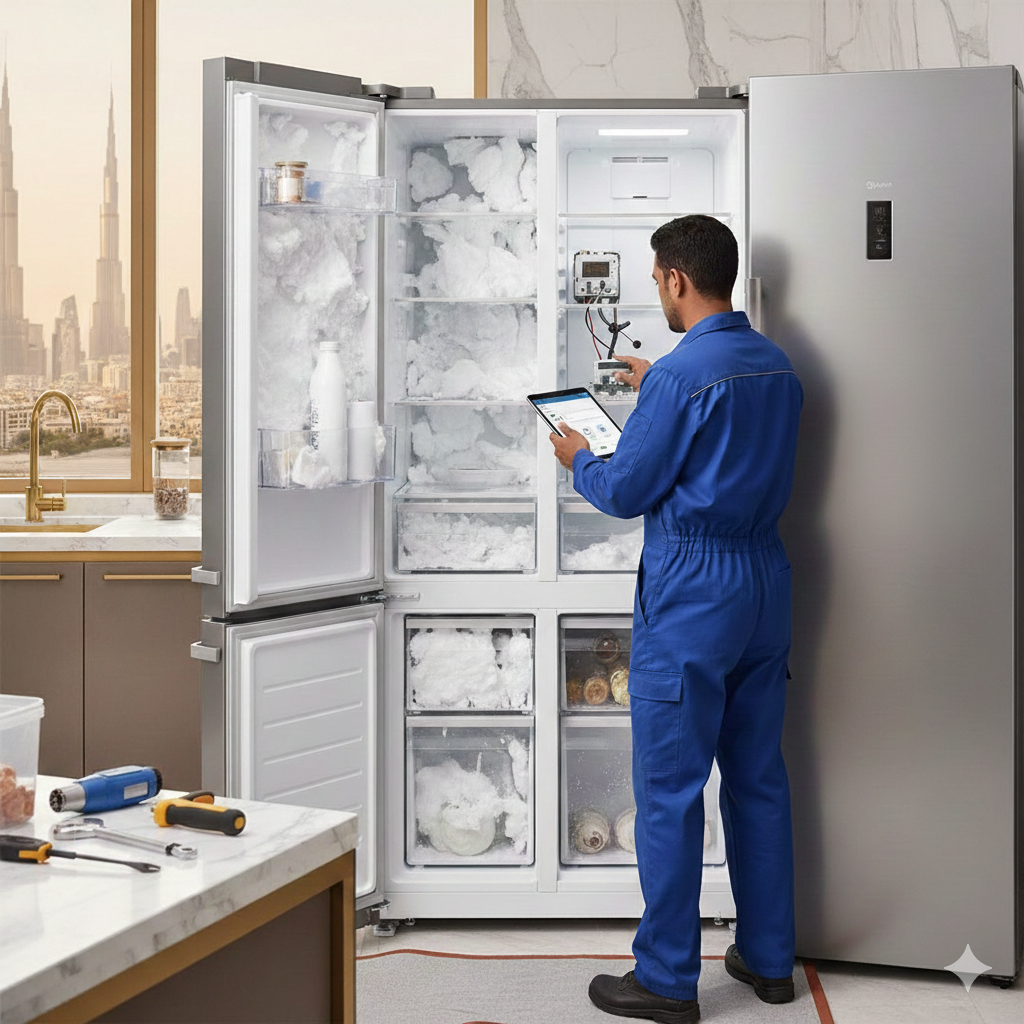
Fridge Not Keeping Things Cold? Causes and Easy Fixes
A refrigerator is one of the most essential appliances in any home. It keeps food fresh, prevents bacteria growth, and helps preserve groceries for longer periods. However, when your fridge stops keeping things cold, it can quickly turn into a stressful situation. Warm milk, spoiled vegetables, and melting frozen foods are clear signs that something…