Opening Hook
Ali was shocked when he opened his DEWA bill one summer afternoon in Dubai. Despite using his AC the same way as always, his electricity costs had skyrocketed. Confused, he called a technician to check for problems. The culprit turned out to be something surprisingly simple: a dirty AC filter. That dusty screen hidden inside his air conditioning unit had quietly forced his system to work harder, consuming far more energy than necessary.
This story isn’t unique. Homeowners across the UAE often underestimate the humble AC filter, yet it plays a critical role not only in air quality but also in energy consumption. So, do dirty AC filters really increase electricity bills? The short answer: absolutely. But let’s break it down with facts, examples, and practical insights.
Why AC Filters Matter More Than You Think
At first glance, an air conditioning filter may seem like a small, replaceable part with little impact. In reality, it’s the gatekeeper of your cooling system.
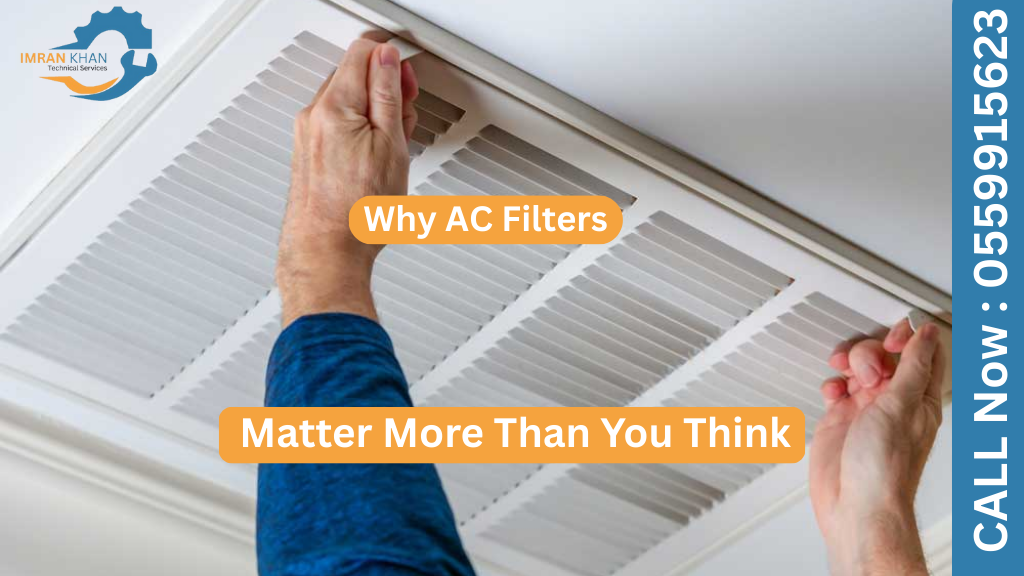
The filter’s main job is to trap dust, sand, pet hair, and other airborne particles before they circulate through the system. In a place like Dubai—where dust storms are common and homes rely heavily on AC year-round—filters quickly become clogged.
When filters are clean, air flows smoothly through the system, helping it run efficiently. But when they’re dirty, the AC has to work harder to pull air through, consuming more electricity in the process.
The Science Behind Higher Bills
Here’s how a clogged filter leads to higher energy use:
- Restricted Airflow:
Imagine trying to breathe through a mask stuffed with cotton. That’s what your AC goes through with a dirty filter. Restricted airflow means the fan motor must run longer and harder, drawing more power. - Reduced Cooling Efficiency:
The evaporator coil inside the unit needs proper airflow to absorb heat. A clogged filter can cause the coil to freeze, reducing the system’s ability to cool effectively. As a result, the AC runs longer to reach the set temperature. - Extra Strain on Components:
Dirty filters make compressors, motors, and fans strain under pressure. Not only does this use more electricity, but it also shortens the lifespan of expensive parts.
According to the U.S. Department of Energy, cleaning or replacing AC filters regularly can lower energy consumption by 5% to 15%. In a city like Dubai, where air conditioning can account for 60–70% of a household’s electricity bill, that’s a significant saving.
Real-Life Scenarios from Dubai Homes
For instance, Fatima, a resident of Arabian Ranches, noticed her AC unit was running almost non-stop during the peak of summer. The rooms weren’t cooling properly, and her monthly bill had jumped by nearly 20%. A technician visit revealed that her filter hadn’t been cleaned in six months. After a thorough cleaning, not only did the cooling improve, but the following month’s bill dropped noticeably.
In contrast, another resident in Jumeirah kept up with monthly filter cleanings during dusty weather. While neighbors complained of high bills, his remained relatively stable—proving that small maintenance steps pay off in the long run.
More Than Just Money: Air Quality Concerns
Beyond electricity bills, dirty filters also affect indoor air quality.
Dust and allergens that bypass clogged filters end up circulating through your home. Families may notice more sneezing, coughing, or allergy flare-ups. In homes with children, elderly residents, or people with asthma, this can become a serious health concern.
As a result, keeping filters clean is not just about saving dirhams on your DEWA bill—it’s about protecting the health of your loved ones.
How Often Should You Clean or Replace Filters?
The answer depends on several factors:
- Location: In Dubai, where dust is abundant, filters need cleaning more often than in less sandy regions.
- Usage: If your AC runs 24/7 in the summer, filters will clog faster.
- Pets: Homes with cats or dogs will accumulate hair and dander quickly.
A good rule of thumb is:
- Clean filters every month during peak summer.
- Replace filters every 3 to 6 months if they are disposable.
For instance, many villa residents in Al Barsha set reminders on their phones at the start of every month to clean filters. It takes just 10 minutes but saves thousands of dirhams annually.
DIY: Cleaning AC Filters at Home
Luckily, maintaining filters doesn’t require professional help every time. Here’s a simple step-by-step:

- Turn Off the AC: Safety first.
- Locate the Filter: Usually behind the front panel of the indoor unit.
- Remove Gently: Slide or unclip the filter.
- Vacuum or Wash: If reusable, rinse under running water and let it dry fully before reinstalling.
- Replace if Necessary: If the filter is torn or too dirty to clean, replace it.
For example, a Dubai Marina resident shared that cleaning her apartment’s AC filters monthly not only lowered bills but also reduced the constant fine layer of dust on her furniture.
When to Call a Professional
Sometimes, filter cleaning isn’t enough. If your AC still struggles after maintenance, you may need a technician. Issues like frozen coils, blocked ducts, or weak compressors can all mimic filter problems.
Furthermore, professionals can deep-clean the entire system, ensuring ducts and coils are free from dust buildup. Many Dubai residents schedule annual AC servicing before summer to avoid surprise breakdowns and inflated bills.
Preventing the “Silent Cost Drain”
One of the sneakiest aspects of dirty filters is how gradually they increase costs. Unlike a sudden breakdown, the rise in electricity bills often goes unnoticed until it’s too late.
For example, Ali from the opening story realized his bills had been creeping up for months. He had simply accepted the higher charges as part of “summer expenses” until a technician pointed to his filters. By then, he had already paid hundreds of extra dirhams unnecessarily.
Frequently Asked Questions (FAQ)
1. Do dirty AC filters really increase electricity bills?
Yes. Dirty AC filters restrict airflow, forcing the system to work harder and run longer, which increases electricity consumption and raises your energy bills.
2. How much can clean AC filters reduce energy usage?
According to energy experts, regularly cleaning or replacing AC filters can reduce energy consumption by 5% to 15%, especially in hot climates like the UAE.
3. How often should AC filters be cleaned in Dubai?
Due to dust and heavy AC usage, filters should be cleaned once a month during summer and replaced every 3–6 months if they are disposable.
4. Can dirty AC filters affect indoor air quality?
Absolutely. Clogged filters allow dust, allergens, and pollutants to circulate indoors, which can worsen allergies, asthma, and overall air quality.
5. When should I call a professional instead of just cleaning the filter?
If your AC still cools poorly, makes unusual noises, or causes high bills even after cleaning the filter, it’s time to call a professional technician for a full system inspection.
Closing Thoughts
So, do dirty AC filters really increase electricity bills? The evidence—both scientific and real-world—says yes. By restricting airflow, overworking your AC, and forcing longer cooling cycles, clogged filters silently inflate energy costs while also degrading air quality.
The good news is that the solution is simple: regular cleaning and timely replacement. It’s a small habit with big rewards—lower bills, cleaner air, and a healthier, longer-lasting AC system.
Next time you glance at your DEWA bill and wonder why it’s higher than usual, take a moment to check your filters. They may hold the answer—and the key to putting money back in your pocket.
Latest Post:

Strange AC Noise Fix: Complete AC Sound Problem Solution Guide
Certified Experts Same Day Service 24/7 Emergency Support 5000+ Happy Customers Google Rated Business Strange AC Noise Fix: Complete AC Sound Problem Solution Guide Home Is your AC making strange noises? While some sounds are normal during operation, unusual noises such as buzzing, rattling, clicking, banging, or hissing can indicate underlying problems that need attention.…

Washing Machine Not Cleaning Clothes? Expert & Technician
Washing Machine Not Cleaning Clothes? Causes, Fixes & Expert Repair Guide Home Certified Experts Same Day Service 24/7 Emergency Support 5000+ Happy Customers Google Rated Business A washing machine is designed to make laundry easier, but when it stops cleaning clothes properly, it can quickly become frustrating. If your clothes come out with stains, detergent…

Dishwasher Not Finishing Wash Cycle? Complete Guide & Quick Fixes
Dishwasher Not Finishing Wash Cycle? Causes, Fixes & Repair Guide Home Certified Experts Same Day Service 24/7 Emergency Support 5000+ Happy Customers Google Rated Business A dishwasher that stops before completing its wash cycle can be frustrating and inconvenient. Instead of clean dishes, you’re left with dirty plates, standing water, or a machine that suddenly…