Opening Hook
It was the hottest night of July in Dubai when Ahmed’s air conditioner gave out. The thermostat blinked helplessly, and warm air trickled from the vents; within minutes, his apartment felt like an oven. By midnight, his family had abandoned sleep, fanning themselves desperately and calling every number labeled “24/7 AC repair.” When the technician finally arrived at 2 a.m., it wasn’t just relief they felt—it was the realization that emergency AC service is a very different world from regular maintenance visits.
But how exactly do emergency services differ from the routine checkups most homeowners are used to? And more importantly, how do you know which one you actually need? Let’s dive into the world of air conditioning care—where timing, urgency, and preparation make all the difference.
Regular AC Services: The Quiet Hero
Most homeowners think of regular AC service as the annual or seasonal checkup their cooling system receives. This is the preventive care that keeps the machine humming smoothly, much like visiting your doctor for a routine physical before anything goes wrong.
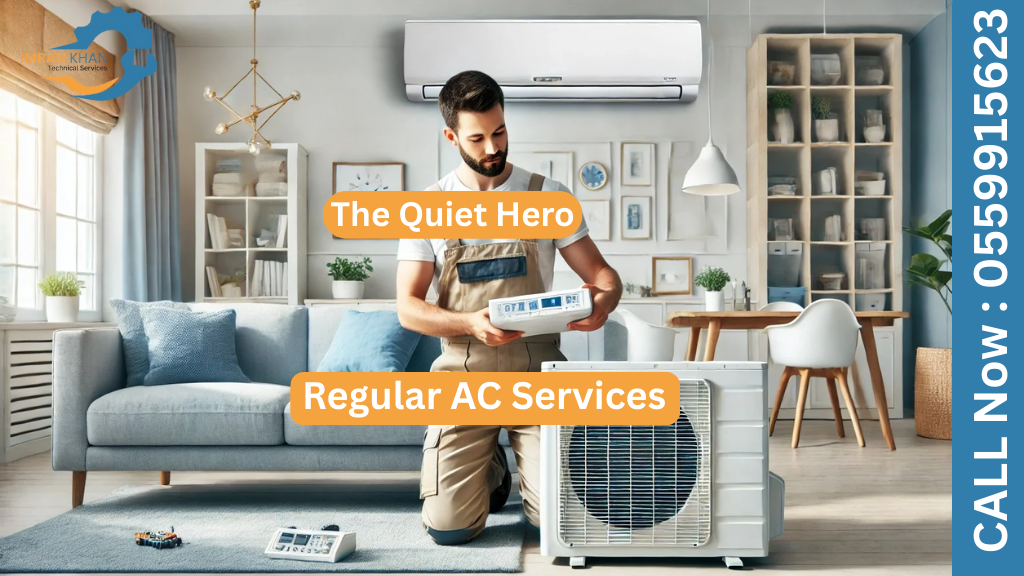
During these visits, technicians typically:
- Clean air filters and coils.
- Inspect wiring and refrigerant levels.
- Check thermostat calibration.
- Test the airflow and overall efficiency.
For instance, one family in Lahore shared that they would call for AC repair every summer due to clogged filters. Once they started scheduling bi-annual maintenance, those sudden breakdowns almost disappeared. Regular service may not feel dramatic, but it’s the unsung hero of comfort—preventing problems before they spiral.
Emergency AC Services: When Timing Is Everything
In contrast, emergency AC services step in when disaster strikes. These are the late-night, weekend, or holiday calls you make when your cooling system suddenly shuts down during unbearable heat—or starts leaking, sparking, or making alarming noises.
What sets emergency services apart isn’t just speed—it’s availability. Unlike regular appointments, emergency services operate 24/7, often with teams on standby. That’s why they usually cost more. You’re not just paying for repair work—you’re paying for immediacy and priority access.
Consider Sarah, a business owner in Dubai Marina. Her AC system failed on the morning of a client meeting in August, when temperatures outside soared past 40°C. Within hours, her office was stifling. An emergency technician arrived the same afternoon, replaced a faulty capacitor, and saved the meeting. In such cases, time isn’t just comfort—it’s reputation, productivity, and peace of mind.
Key Differences at a Glance
To break it down clearly:
| Timing | Scheduled in advance (seasonal/annual) | On-demand, 24/7 availability |
| Cost | Standard, often part of maintenance packages | Higher due to urgency and off-hour work |
| Purpose | Preventive care and efficiency | Crisis management and immediate fixes |
| Impact | Reduces long-term costs, improves system life | Restores comfort quickly in emergencies |
This comparison makes it clear: both play vital but different roles. One is proactive, the other reactive.
Why Emergency Services Cost More
Some homeowners feel frustrated when they see the higher bill for emergency AC services. But it helps to understand what you’re paying for.
First, technicians are working outside normal hours—late at night, weekends, or holidays—when most people would prefer to rest. Second, emergency jobs often involve quick diagnostics and repairs under pressure, sometimes with limited parts on hand.
Think of it like calling a doctor at midnight versus booking a regular clinic appointment. You’re not just paying for treatment; you’re paying for access, convenience, and speed.
Preventing Emergencies with Regular Care
Here’s the good news: many emergencies can actually be prevented with regular maintenance. When technicians catch small issues—like refrigerant leaks, loose wires, or dirty filters—during scheduled visits, those problems rarely escalate into midnight breakdowns.
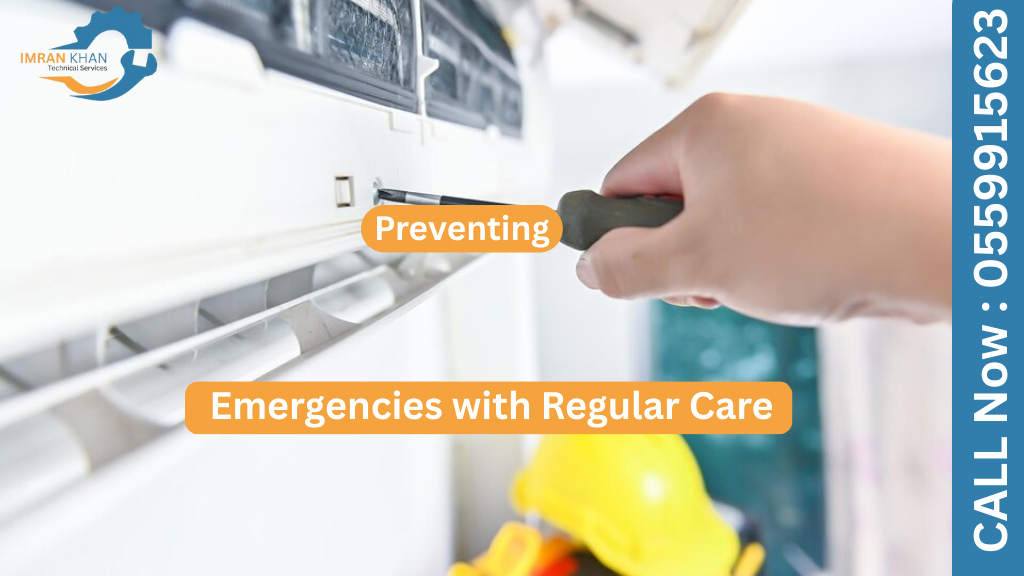
For example, one homeowner in Karachi shared that his AC stopped working on Eid day. The emergency technician later explained it was caused by a blocked condenser coil, something routine cleaning would have prevented. That costly, stressful situation could have been avoided with one regular checkup.
As a result, experts recommend at least two maintenance visits per year—before summer and before winter—to ensure your system is ready for peak seasons.
When You Should Call Emergency Services
That said, not every AC hiccup requires an emergency call. Sometimes waiting until morning is fine. But there are clear signs that justify urgent service:
- Complete system failure during extreme heat.
- Electrical issues such as burning smells or sparks.
- Major water leaks threaten floors or furniture.
- Unusual noises that suggest a part could break and cause damage.
- High-stakes situations—for example, in hospitals, data centers, or homes with elderly or infants.
If your AC simply isn’t cooling efficiently, it might be frustrating, but it isn’t always urgent. In such cases, booking a regular appointment is often the smarter (and cheaper) move.
Stories from Real Homes and Offices
To see the contrast more vividly, let’s look at two scenarios:
Scenario 1: The Planner
Ali in Islamabad schedules AC maintenance every March. The technician cleans the filters, checks refrigerant levels, and tests the thermostat. By June, when the summer heat arrives, Ali’s AC runs smoothly without interruption. He never has to worry about surprise failures because he invested in regular care.
Scenario 2: The Emergency Caller
Meanwhile, Fatima waits until something goes wrong. One July evening, her AC dies during a family gathering. The children are sweating, guests are uncomfortable, and she panics. She pays extra for an emergency call-out, and while the problem is fixed, the stress and expense far exceed what a simple maintenance visit would have cost.
Both homeowners got their ACs fixed—but the journey was very different.
The Smart Middle Ground
Of course, life isn’t always predictable. Even with regular service, machines can fail unexpectedly. That’s why the smartest homeowners prepare for both worlds.
- Schedule routine maintenance at least twice a year.
- Keep an emergency number handy for unexpected breakdowns.
- Invest in a service contract—some companies bundle regular checkups with discounted emergency rates.
This balanced approach saves money long-term while ensuring peace of mind when emergencies do strike.
Closing Thoughts
Air conditioners, much like cars or our own health, need both preventive care and urgent treatment when crises arise. Regular AC services quietly protect your system, extending its lifespan and avoiding costly breakdowns. Emergency AC services, on the other hand, are your lifeline when the unexpected happens, restoring comfort and safety when you need it most.
So, the next time you hear your AC humming away, ask yourself: Am I relying too much on emergency fixes, or am I giving my system the regular attention it deserves? A little planning today can save you from sleepless, sweaty nights tomorrow.
Latest Post:

Strange AC Noise Fix: Complete AC Sound Problem Solution Guide
Certified Experts Same Day Service 24/7 Emergency Support 5000+ Happy Customers Google Rated Business Strange AC Noise Fix: Complete AC Sound Problem Solution Guide Home Is your AC making strange noises? While some sounds are normal during operation, unusual noises such as buzzing, rattling, clicking, banging, or hissing can indicate underlying problems that need attention.…

Washing Machine Not Cleaning Clothes? Expert & Technician
Washing Machine Not Cleaning Clothes? Causes, Fixes & Expert Repair Guide Home Certified Experts Same Day Service 24/7 Emergency Support 5000+ Happy Customers Google Rated Business A washing machine is designed to make laundry easier, but when it stops cleaning clothes properly, it can quickly become frustrating. If your clothes come out with stains, detergent…

Dishwasher Not Finishing Wash Cycle? Complete Guide & Quick Fixes
Dishwasher Not Finishing Wash Cycle? Causes, Fixes & Repair Guide Home Certified Experts Same Day Service 24/7 Emergency Support 5000+ Happy Customers Google Rated Business A dishwasher that stops before completing its wash cycle can be frustrating and inconvenient. Instead of clean dishes, you’re left with dirty plates, standing water, or a machine that suddenly…