Opening Hook
It was the middle of July in Dubai, and Omar had just settled in after a long day at work. He clicked on the remote to cool his apartment, only to hear a sputter, a groan, and then silence. His air conditioner had given up on him—again. With the temperature outside still hovering above 40°C, he quickly realized something wasn’t right. Later, a technician explained that his AC had overheated due to a clogged filter and neglected maintenance—issues that could have been fixed in minutes.
Stories like Omar’s are more common than you might think. Air conditioners are lifelines in hot climates, yet they often overheat when we need them the most. The good news? Many overheating issues can be addressed quickly, without waiting days for a repair team to arrive. Let’s dive into the reasons why AC units overheat, what quick fixes you can try at home, and how to know when it’s time to call in the pros.
Why Do AC Units Overheat?
At their core, air conditioners work by cycling refrigerant, compressing and expanding it to absorb heat inside your home and release it outside. But when parts get dirty, airflow is restricted, or components are under strain, the system struggles. That struggle often leads to overheating.
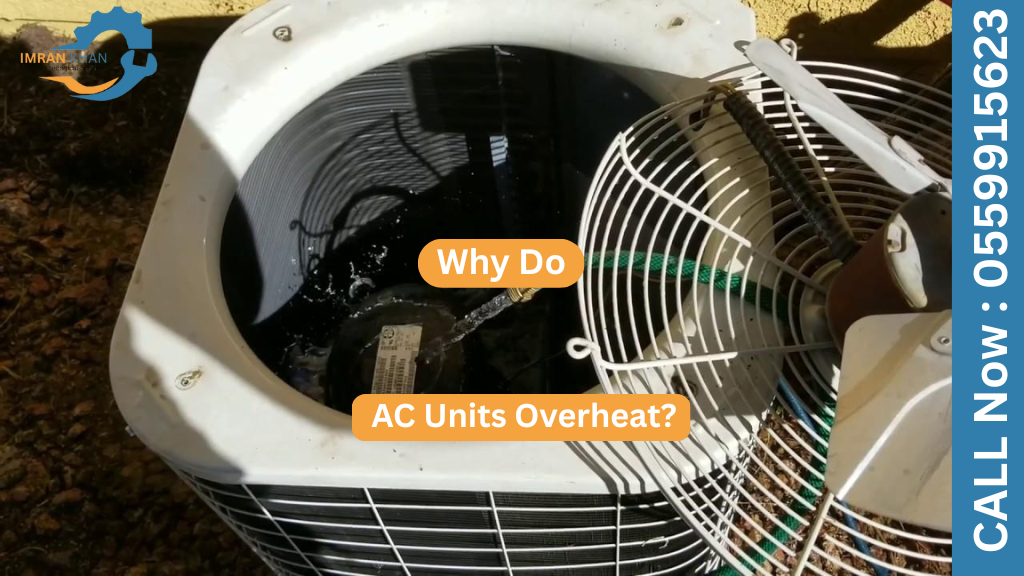
Common reasons include:
- Dirty air filters that block airflow.
- Clogged condenser coils that trap heat.
- Low refrigerant levels cause the compressor to work too hard.
- Faulty fans or motors that fail to cool components.
- Poor ventilation around the outdoor unit.
For instance, one homeowner in Business Bay discovered that his AC kept tripping the breaker because of debris—dry leaves and dust—packed tightly around the outdoor condenser. Clearing the space alone prevented further breakdowns.
The Role of Air Filters
One of the simplest, yet most overlooked, fixes is cleaning or replacing the air filter. A dirty filter forces your system to pull air through a clogged surface, stressing the blower motor and causing the unit to overheat.
Furthermore, in areas like Downtown Dubai, where dust levels are high, filters can clog faster than usual. Imagine breathing through a straw covered in tissue—that’s how your AC feels when the filter is clogged.
Quick Fix: Remove the filter and either wash it (if reusable) or replace it with a fresh one. This small act not only prevents overheating but also improves cooling efficiency and indoor air quality.
Checking the Condenser Coils
In contrast to the indoor filter, condenser coils work outside to release heat absorbed from your home. If these coils are covered in dirt, mud, or grime, they can’t release heat effectively, causing the compressor to run longer and overheat.
Quick Fix: Turn off the AC and gently spray the outdoor unit with a garden hose to wash away dirt. Avoid using high pressure, as it may bend the fins. A coil-cleaning solution from a hardware store can also help in stubborn cases.
Think of it like washing a dusty car window—suddenly, everything runs clearer and smoother.
Don’t Forget the Fan
The fan inside your outdoor unit plays a crucial role in pushing hot air away from the coils. If it slows down due to wear or if blades are bent, the entire system overheats.
For instance, a family in Jumeirah Lakes Towers once noticed a faint humming sound from their AC but ignored it. Eventually, the outdoor fan motor failed completely, leading to an expensive compressor repair.
Quick Fix: While most fan repairs require a technician, you can still check if the fan is running smoothly by turning the unit on and visually inspecting it. If it’s not spinning or if it wobbles, it’s time to call for service before bigger damage occurs.
Low Refrigerant Levels
Refrigerant is the lifeblood of your AC system. When levels drop due to leaks, the compressor has to work extra hard to maintain cooling, often leading to overheating.
As a result, you may notice warm air blowing from the vents, hissing noises, or ice forming on the refrigerant lines. These are all red flags.
Quick Fix: Unfortunately, adding refrigerant isn’t a DIY job. But what you can do is turn off the AC immediately if you suspect a refrigerant issue. Running it in low-charge conditions risks burning out the compressor, one of the costliest parts of the system.
Clearing the Surrounding Space
Your outdoor AC unit needs breathing room. If it’s placed in a tight corner, surrounded by plants, or cluttered with boxes, the restricted airflow will cause it to overheat.
Quick Fix: Keep at least two feet of clearance around the unit. Trim back shrubs, move items away, and make sure nothing blocks the fan’s airflow. Think of it as giving your AC the personal space it needs to “exhale” heat efficiently.
Electrical Issues and Tripped Breakers
Another common symptom of overheating is a tripped circuit breaker. While this safety feature prevents damage, constantly resetting it without addressing the root cause is risky.

For instance, a resident in Dubai Marina kept flipping the breaker switch back on every time it tripped, until the AC’s internal wiring burned out—leading to a far more expensive repair.
Quick Fix: If your breaker trips repeatedly, don’t force it back. Instead, inspect for obvious issues like dirty coils or blocked filters. If those aren’t the culprits, call an electrician or AC technician.
Preventive Habits That Save You Headaches
While quick fixes can get your system running again, prevention is the best cure. AC units last longer and run cooler when given regular attention.
Smart Habits Include:
- Cleaning or replacing filters every 1–2 months.
- Scheduling professional maintenance before summer.
- Ensuring ducts are sealed and clean.
- Keeping outdoor units shaded but unobstructed.
- Listening for unusual noises or smells and addressing them early.
As a result, you’ll enjoy steady cooling, lower bills, and fewer emergency breakdowns.
When to Call the Professionals
Sometimes, no matter how many quick fixes you try, the AC continues to overheat. That’s usually a sign of deeper issues like failing compressors, motor defects, or refrigerant leaks.
Furthermore, attempting complex repairs without training can be dangerous. A professional technician can run diagnostic tests, measure refrigerant levels, and replace parts safely.
If your AC frequently shuts down, blows warm air, or struggles despite your best efforts, calling an expert isn’t just smart—it’s necessary to prevent irreversible damage.
Frequently Asked Questions (FAQs)
1. Why does an air conditioner overheat during summer?
AC units overheat mainly due to dirty air filters, clogged condenser coils, low refrigerant levels, poor airflow, or faulty fans that force the system to work harder.
2. Can a dirty air filter really cause AC overheating?
Yes, a clogged air filter restricts airflow, putting extra strain on the blower motor and compressor, which can lead to overheating and system shutdown.
3. What quick fixes can I try if my AC is overheating?
You can clean or replace the air filter, wash the outdoor condenser coils, clear obstructions around the unit, and ensure proper ventilation.
4. Should I keep resetting the circuit breaker if my AC trips?
No, repeatedly resetting the breaker without fixing the cause can damage electrical components. Frequent tripping usually indicates overheating or electrical issues.
5. When should I call a professional AC technician?
If the AC continues to overheat, blows warm air, shows signs of refrigerant leaks, or shuts down repeatedly despite basic cleaning, professional repair is necessary.
Conclusion: Keep Your Cool with Quick Fixes
Omar’s story from the beginning ended well. Once he learned how to clean his filters and maintain his outdoor unit, his AC ran smoothly for the rest of the season. What initially felt like a disaster became a lesson in simple preventive care.
And that’s the heart of the matter: overheating AC units are often a symptom of neglect, not a death sentence. By cleaning filters, checking coils, ensuring proper airflow, and paying attention to warning signs, you can keep your system running without interruptions.
To recap:
- Overheating often starts with clogged filters or dirty coils.
- Quick fixes like cleaning and clearing space can prevent major damage.
- Some problems, like refrigerant leaks, need professional attention.
- Regular preventive habits save money, stress, and sweat.
So, the next time your AC groans under the summer heat, remember: a few quick fixes can make all the difference. Don’t wait for a breakdown—take action today, and stay cool tomorrow.
Latest Post:

Strange AC Noise Fix: Complete AC Sound Problem Solution Guide
Certified Experts Same Day Service 24/7 Emergency Support 5000+ Happy Customers Google Rated Business Strange AC Noise Fix: Complete AC Sound Problem Solution Guide Home Is your AC making strange noises? While some sounds are normal during operation, unusual noises such as buzzing, rattling, clicking, banging, or hissing can indicate underlying problems that need attention.…

Washing Machine Not Cleaning Clothes? Expert & Technician
Washing Machine Not Cleaning Clothes? Causes, Fixes & Expert Repair Guide Home Certified Experts Same Day Service 24/7 Emergency Support 5000+ Happy Customers Google Rated Business A washing machine is designed to make laundry easier, but when it stops cleaning clothes properly, it can quickly become frustrating. If your clothes come out with stains, detergent…

Dishwasher Not Finishing Wash Cycle? Complete Guide & Quick Fixes
Dishwasher Not Finishing Wash Cycle? Causes, Fixes & Repair Guide Home Certified Experts Same Day Service 24/7 Emergency Support 5000+ Happy Customers Google Rated Business A dishwasher that stops before completing its wash cycle can be frustrating and inconvenient. Instead of clean dishes, you’re left with dirty plates, standing water, or a machine that suddenly…