Opening Hook
It was a scorching July afternoon in Dubai when Sameer noticed something strange. Despite cranking his air conditioner to the coldest setting, his living room felt like a sauna. Frustrated, he called a technician, only to discover the culprit wasn’t a major breakdown—it was a dirty AC filter. That simple piece of mesh, clogged with dust and sand, had been suffocating his cooling system for weeks.
Stories like Sameer’s are more common than you think. In fact, dirty filters are one of the leading causes of AC inefficiency and breakdowns worldwide. The good news? Cleaning them is easy, saves you money, and keeps your air fresh. Let’s walk through five simple steps to clean your AC filters—no technical background required.
Why Cleaning AC Filters Matters
Before we jump into the steps, let’s understand why this task is so important. Your AC filter works like the lungs of the system. It traps dust, dirt, pet hair, and even pollen, preventing them from circulating in your home.
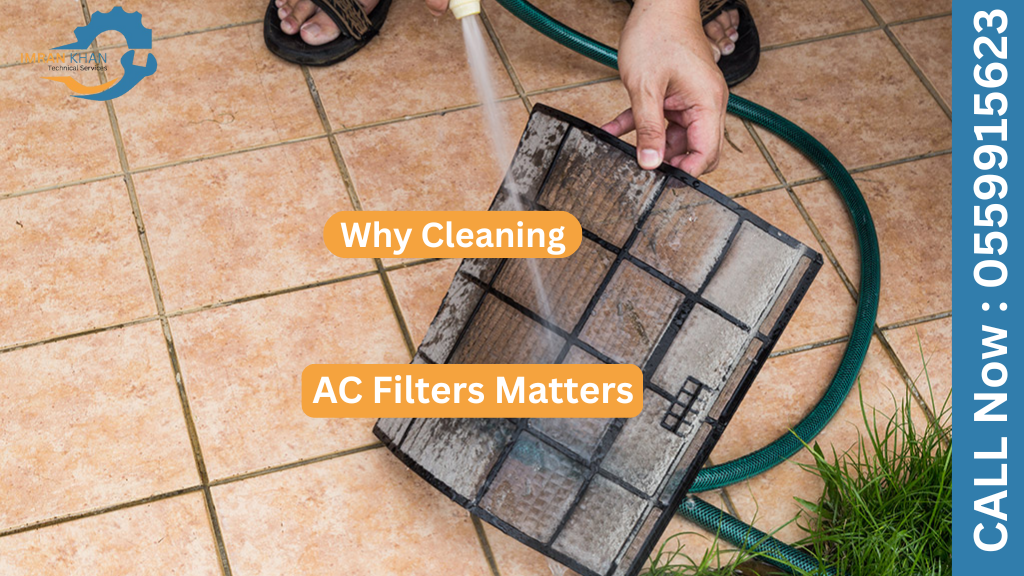
When filters clog, the airflow weakens, making your AC work harder. As a result, energy bills skyrocket, cooling becomes uneven, and your AC’s lifespan shortens. Worse, dirty filters mean you’re breathing in dust and allergens every day.
In contrast, clean filters can cut energy use by up to 15% and drastically improve indoor air quality. So, a little effort goes a long way.
Step 1: Turn Off the Power
Safety first. Always switch off the AC before starting.
Imagine this: you’re reaching inside to remove a filter when suddenly the fan kicks on. Not only is it dangerous, but it can also suck in loose dust and spread it around your house. Turning off the unit prevents accidents and makes the process stress-free.
If your AC has a dedicated breaker switch, flip it there. If not, simply turn it off from the thermostat or main power source.
Step 2: Locate and Remove the Filters
The next step is finding where your AC filters live. This varies depending on the type of unit:
- Window ACs usually have a filter behind the front panel.
- Split ACs have them hidden under the front cover of the indoor unit.
- Central AC systems often place filters inside return air ducts or near the blower compartment.
For instance, Ayesha in Abu Dhabi struggled for half an hour looking for her filters, only to realize they were inside a ceiling vent. The technician laughed and told her, “Finding the filter is half the battle.”
Once you locate it, carefully slide the filter out. Take note of how it fits—this makes reinserting it later much easier.
Step 3: Vacuum or Wash the Filter
Now comes the satisfying part: removing all that built-up dust.
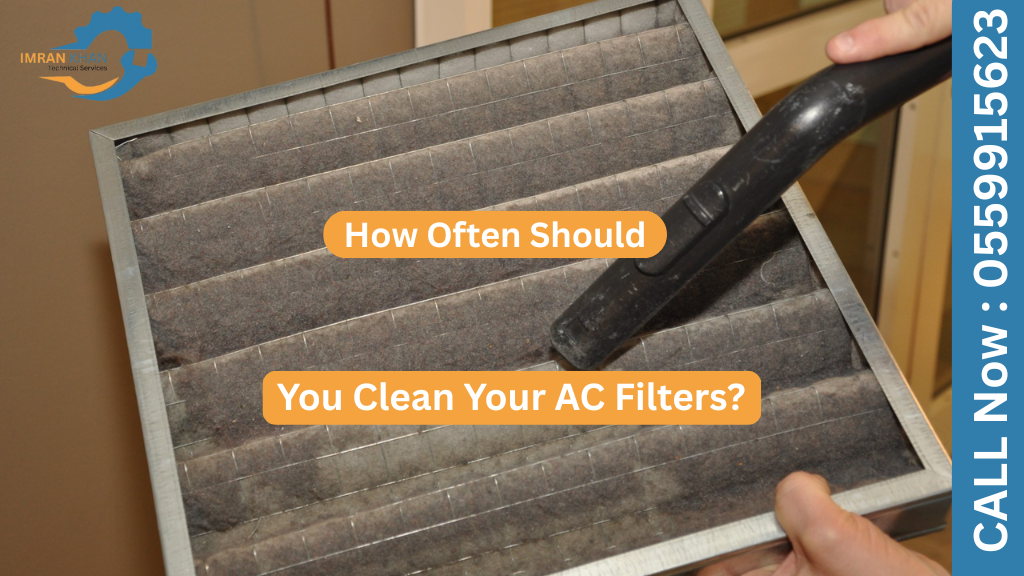
- Vacuuming: If the filter has light dust, use a vacuum cleaner with a soft brush attachment. Gently run it over the surface to suck up dirt.
- Washing: For reusable filters with heavier buildup, rinse them under lukewarm water. Avoid hot water, which can damage the fibers. A mild soap solution works wonders for greasy buildup, especially in kitchens.
For example, one Dubai family living near Sheikh Zayed Road noticed their filters turning black from traffic dust. After a quick wash with soapy water, the difference was like night and day—the airflow instantly improved.
Furthermore, avoid scrubbing harshly. Filters are delicate, and damaging the mesh can make them ineffective.
Step 4: Let the Filter Dry Completely
Patience pays off here. A damp filter can lead to mold growth, undoing all your cleaning efforts.
After rinsing, shake off excess water and let the filter air dry naturally. Placing it in direct sunlight speeds up the process, but don’t use hair dryers or heaters—they can warp the material.
In contrast, reinserting a wet filter is like trapping moisture inside your AC. Over time, it not only breeds mold but also produces musty smells whenever the unit runs.
Step 5: Reinstall and Restart the AC
Once the filter is fully dry, slide it back into place exactly as you removed it. Secure any panels or covers tightly, and then turn the AC back on.
Within minutes, you should notice smoother airflow and fresher-smelling air.
For instance, Bilal in Sharjah described it best after cleaning his filters: “It felt like my AC was breathing again.”
How Often Should You Clean Your AC Filters?
The frequency depends on where you live and your lifestyle:
- Every 2 weeks: For homes in dusty environments (common in Dubai and across the UAE).
- Once a month: For regular households without pets.
- Every 2–3 weeks: If you have pets or live near busy roads.
- Every 3 months: For households with minimal usage, such as vacation homes.
Furthermore, if you or your family suffer from allergies, cleaning more often helps maintain healthier air indoors.
Signs Your Filters Need Immediate Cleaning
Sometimes, you don’t have to wait for your cleaning schedule—your AC will tell you when it’s struggling:
- Weak airflow even at full blast.
- Dust is settling quickly on furniture.
- Unexplained rise in electricity bills.
- A musty odor whenever the AC runs.
- Visible dust or discoloration on the filter.
Ignoring these signs can strain the compressor, one of the most expensive AC parts to replace.
The Benefits of Clean AC Filters
Keeping your filters clean offers more than just cool air:
- Lower Energy Bills: A clean filter makes your AC run efficiently, reducing power consumption.
- Longer AC Lifespan: Less strain on the system means fewer breakdowns.
- Healthier Air: Cleaner filters trap allergens, dust, and bacteria better.
- Peace of Mind: You won’t be caught off guard by sudden AC failures during peak summer.
For example, a Dubai family reported saving nearly 20% on their electricity bill over three months after incorporating filter cleaning into their routine.
A Few Extra Tips for Better Results
- Keep a spare set of filters on hand so you can swap while one set dries.
- Mark cleaning dates on your calendar—it’s easy to forget.
- If your filters are disposable, don’t wash them. Replace instead.
- Consider upgrading to HEPA filters if you suffer from allergies.
Frequently Asked Questions (FAQ)
1. Why is it important to clean AC filters regularly?
Clean AC filters improve airflow, reduce energy consumption, enhance indoor air quality, and prevent strain on the AC system. Dirty filters can cause higher electricity bills and lead to breakdowns.
2. How often should I clean my AC filters?
In dusty areas like Dubai, filters should be cleaned every 2–4 weeks. Homes with pets or allergy sufferers may need more frequent cleaning, while low-usage or vacation homes can clean them every 2–3 months.
3. Can I wash all AC filters with water?
Only reusable filters should be washed with water. Disposable filters should never be washed and must be replaced instead. Always check your AC manual to confirm the filter type.
4. What are the signs that my AC filter needs immediate cleaning?
Weak airflow, musty odors, increased electricity bills, visible dust on the filter, and faster dust buildup in your home are clear signs your filter needs cleaning.
5. Can dirty AC filters cause AC damage?
Yes. Clogged filters restrict airflow, forcing the AC to work harder. Over time, this can overheat the system, damage the compressor, and significantly reduce the AC’s lifespan.
Closing: A Small Step with Big Rewards
In the end, maintaining your AC filters isn’t about technical know-how—it’s about consistency. Just like brushing your teeth prevents cavities, cleaning your filters prevents costly repairs and keeps your home comfortable.
Sameer, the man whose living room turned into a sauna, now cleans his filters every month. He jokes, “It’s the cheapest maintenance I’ve ever done, and the benefits are priceless.”
So here’s the takeaway: your AC filter may be small, but it’s mighty. By taking a little care in these five easy steps, you can save money, improve air quality, and ensure your AC keeps you cool when you need it most.
Final Thought: Don’t wait until your AC wheezes for help. Take ten minutes this weekend, clean your filters, and enjoy a cooler, fresher home all summer long.
Latest Post:
24/7 Emergency Electrician Dubai — Fast Response Guaranteed
24/7 Emergency Electrician Dubai — Fast Response Guaranteed Home Certified Experts Same Day Service 24/7 Emergency Support 5000+ Happy Customers Google Rated Business Electrical emergencies can happen at any time, and delaying repairs can put your family, employees, and property at risk. Whether you’re experiencing a complete power outage, exposed live wires, burning smells, or…
Electrical Repair Services Dubai — Complete Guide 2026
Certified Experts Same Day Service 24/7 Emergency Support 5000+ Happy Customers Google Rated Business Electrical Repair Services Dubai — Complete Guide 2026 Home Electrical issues can happen without warning and should never be ignored. Whether you’re dealing with a power outage, faulty wiring, flickering lights, or a tripping circuit breaker, professional help is essential to…

Strange AC Noise Fix: Complete AC Sound Problem Solution Guide
Certified Experts Same Day Service 24/7 Emergency Support 5000+ Happy Customers Google Rated Business Strange AC Noise Fix: Complete AC Sound Problem Solution Guide Home Is your AC making strange noises? While some sounds are normal during operation, unusual noises such as buzzing, rattling, clicking, banging, or hissing can indicate underlying problems that need attention.…