Opening Hook
Fatima had just finished polishing her wooden dining table when she noticed tiny bubbles forming on its surface. Confused, she called her neighbor, who laughed and said, “Welcome to Dubai’s humidity—it doesn’t spare anyone.”
If you live in Dubai, you already know that humidity isn’t just an outdoor problem—it creeps into homes, damages furniture, affects appliances, and even threatens health. The good news? With the right maintenance strategies, you can keep your home comfortable and your belongings safe, no matter how sticky the air gets.
1. Understanding Dubai’s Humidity Problem
Before we jump into solutions, let’s understand the challenge. Dubai’s coastal location means humidity levels can rise above 80% in summer. Unlike dry desert heat, this sticky air feels heavier, makes cooling systems work harder, and causes mold, corrosion, and musty odors.
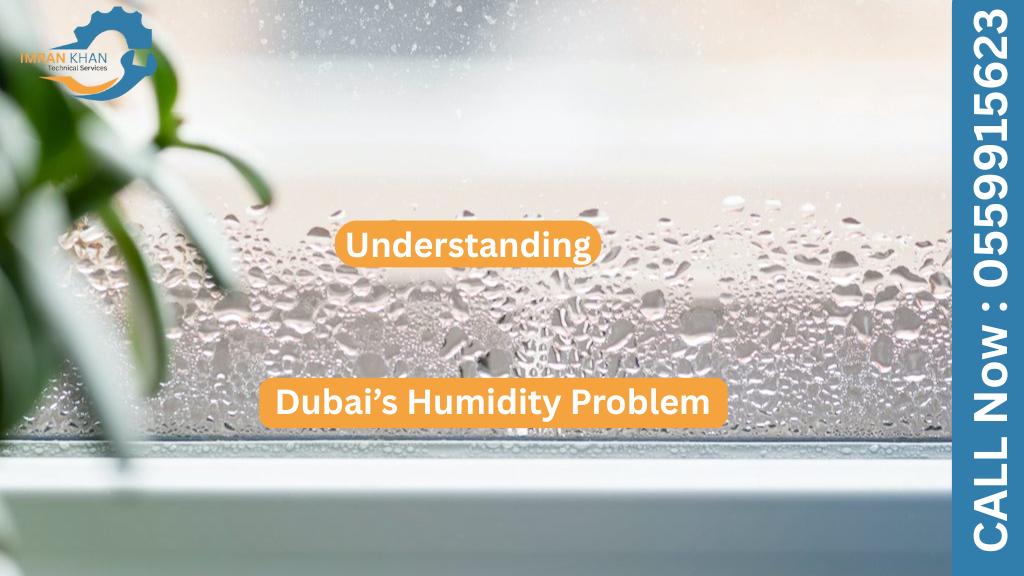
For instance, many residents complain about walls “sweating” or wardrobes smelling damp during peak summer. These aren’t minor annoyances—they’re signs that your home is under attack by excess moisture.
2. Protecting Wooden Furniture and Floors
Wood and humidity don’t get along. Moisture seeps into the grain, causing swelling, warping, and in some cases, rot.
For example, Ahmed in Jumeirah invested in a beautiful oak coffee table. Within months of Dubai’s summer, the edges began warping. The culprit? Humidity.
Here’s how to protect your wooden items:
- Apply protective sealants or varnish to furniture.
- Use silica gel packs in drawers and cabinets.
- Place dehumidifiers in rooms with wooden floors.
As a result, instead of spending thousands on replacement, you can extend the life of your wooden pieces for years.
3. Keeping Mold and Mildew at Bay
Nothing grows faster than mold in a humid climate. Left unchecked, it not only damages walls and ceilings but also causes allergies and respiratory issues.
Furthermore, mold loves bathrooms, kitchens, and corners with poor ventilation. A family in Deira once discovered black patches creeping up their bedroom wall because their AC filters hadn’t been cleaned in months.
Prevention tips:
- Regularly clean AC filters and ducts.
- Ensure bathrooms have working exhaust fans.
- Wipe damp spots immediately—don’t give mold a chance.
Think of it this way: every time you remove moisture quickly, you’re stopping an invisible army of mold spores from taking over your home.
4. Maintaining Appliances in Humid Conditions
Humidity doesn’t just affect furniture—it wreaks havoc on appliances too. Refrigerators, washing machines, and especially air conditioners suffer the most.
For instance, a resident in Dubai Marina noticed her fridge sweating on the outside and food spoiling quickly. The technician explained that constant humidity made the compressor overwork, reducing efficiency.
Simple steps can help:
- Wipe excess moisture from appliances.
- Keep them well-ventilated, not pushed against walls.
- Schedule AC servicing at least twice a year.
In contrast, ignoring these habits often means appliances break down right when you need them the most—like an AC giving up in peak July.
5. Clothing and Wardrobe Care
Humidity doesn’t spare fabrics either. Clothes stored in damp wardrobes often smell musty, and leather accessories crack or grow mold.
For example, Maria stored her designer handbags in her Bur Dubai apartment without protection. Within weeks, greenish spots appeared on the leather.
Here’s how to fight back:
- Use moisture absorbers or charcoal bags inside wardrobes.
- Leave small gaps between clothes for airflow.
- For leather goods, wipe with a damp cloth and apply conditioner.
As a result, your clothes and accessories remain fresh, wearable, and free of that dreaded “Dubai closet smell.”
6. Improving Indoor Air Quality
Indoor air can become sticky and stale when humidity rises. This affects sleep quality and can trigger asthma or allergies.

Furthermore, poorly ventilated homes in Dubai often feel warmer inside than the actual outdoor temperature.
Practical steps include:
- Use air purifiers with dehumidifying features.
- Keep windows closed during peak humidity hours (usually evening to early morning).
- Place indoor plants like peace lilies that absorb moisture.
Not only does this improve comfort, but it also creates a healthier environment for children and the elderly.
7. Car Care in Humid Weather
Many people forget that humidity also affects cars. Interiors trap moisture, leading to foggy windows, smelly AC vents, and even rusting.
For instance, one driver in Sharjah noticed his car’s AC smelled musty every time he turned it on. The mechanic revealed mold growing inside the vents.
Prevention tips:
- Run the AC regularly, even during cooler months, to keep air flowing.
- Park in shaded or covered areas when possible.
- Use anti-humidity sachets inside the car.
By adopting these small habits, you not only extend your car’s life but also enjoy fresher rides.
8. The Role of Regular Home Maintenance
Humidity is relentless, which means maintenance must be consistent. A one-time fix won’t protect your home for long.
For example, a villa owner in Arabian Ranches installed dehumidifiers but never serviced them. Within a year, the machines clogged and became useless, and mold reappeared.
Key routine checks include:
- Servicing ACs every six months.
- Inspecting walls for cracks where moisture seeps in.
- Replacing weather stripping on doors and windows.
As a result, you create a shield against humidity that protects your investment in property and possessions.
9. Mindset: Prevention is Cheaper than Cure
It’s easy to dismiss humidity problems as “small inconveniences.” But the costs add up—damaged electronics, ruined clothes, and constant medical expenses for allergies.
In contrast, preventive care—like a regular AC service or buying a small dehumidifier—costs far less than repairing a mold-infested ceiling or replacing rusted appliances.
Think of it as insurance: a little effort today saves a fortune tomorrow.
Frequently Asked Questions (FAQs)
1. Why is humidity such a big problem in Dubai homes?
Dubai’s coastal location causes humidity levels to rise above 80% during summer. This excess moisture can damage furniture, promote mold growth, reduce appliance efficiency, and negatively affect indoor air quality.
2. How can I protect wooden furniture from humidity damage?
You can protect wooden furniture by applying sealants or varnish, using silica gel or moisture absorbers in drawers, and placing dehumidifiers in rooms with wooden floors.
3. What are the best ways to prevent mold and mildew at home?
Regular AC cleaning, proper ventilation in bathrooms and kitchens, using exhaust fans, and wiping damp areas immediately are effective ways to prevent mold and mildew.
4. Does humidity affect home appliances and air conditioners?
Yes, high humidity forces appliances—especially air conditioners and refrigerators—to work harder, reducing efficiency and increasing the risk of breakdowns. Regular servicing and proper ventilation help minimize damage.
5. How can I improve indoor air quality during humid weather?
You can improve indoor air quality by using dehumidifiers or air purifiers, keeping windows closed during peak humidity hours, maintaining AC systems, and ensuring good airflow throughout the home.
Closing: Living Comfortably Despite the Humidity
When Fatima saw her dining table warp, she thought she had no control over Dubai’s humidity. But after learning a few simple tricks—using dehumidifiers, sealing furniture, and maintaining her AC—she not only saved her furniture but also created a fresher, healthier home.
The truth is, Dubai’s humidity will never go away—it’s part of the city’s charm and challenge. But how you respond makes all the difference.
So, the next time you feel sticky air settling in your home, remember: you don’t have to fight humidity—you just have to manage it smartly. Protect your furniture, maintain your appliances, and breathe easy knowing you’ve mastered the art of living comfortably in Dubai’s humid weather.
Latest Post

Strange AC Noise Fix: Complete AC Sound Problem Solution Guide
Certified Experts Same Day Service 24/7 Emergency Support 5000+ Happy Customers Google Rated Business Strange AC Noise Fix: Complete AC Sound Problem Solution Guide Home Is your AC making strange noises? While some sounds are normal during operation, unusual noises such as buzzing, rattling, clicking, banging, or hissing can indicate underlying problems that need attention.…

Washing Machine Not Cleaning Clothes? Expert & Technician
Washing Machine Not Cleaning Clothes? Causes, Fixes & Expert Repair Guide Home Certified Experts Same Day Service 24/7 Emergency Support 5000+ Happy Customers Google Rated Business A washing machine is designed to make laundry easier, but when it stops cleaning clothes properly, it can quickly become frustrating. If your clothes come out with stains, detergent…

Dishwasher Not Finishing Wash Cycle? Complete Guide & Quick Fixes
Dishwasher Not Finishing Wash Cycle? Causes, Fixes & Repair Guide Home Certified Experts Same Day Service 24/7 Emergency Support 5000+ Happy Customers Google Rated Business A dishwasher that stops before completing its wash cycle can be frustrating and inconvenient. Instead of clean dishes, you’re left with dirty plates, standing water, or a machine that suddenly…