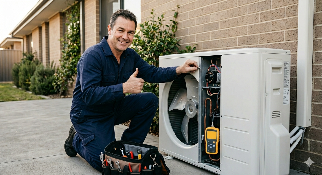
When Cool Air Turns into a Hot Problem
It was mid-August in Dubai, and Omar was ready for a quiet evening after work. The sun had just set, but the air outside was still heavy with heat. As he stepped inside, expecting the familiar rush of cool air, he was greeted instead by… warm, sticky air. His ducted AC was running, but the comfort it once provided had disappeared.
For anyone who’s lived through a Dubai summer, a faulty AC is not just an inconvenience—it’s a crisis. But the tricky part is that ducted air conditioning systems rarely fail overnight. Instead, they give subtle warnings before they stop working entirely. Recognizing these signs early can save you from a sweaty emergency (and a hefty repair bill).
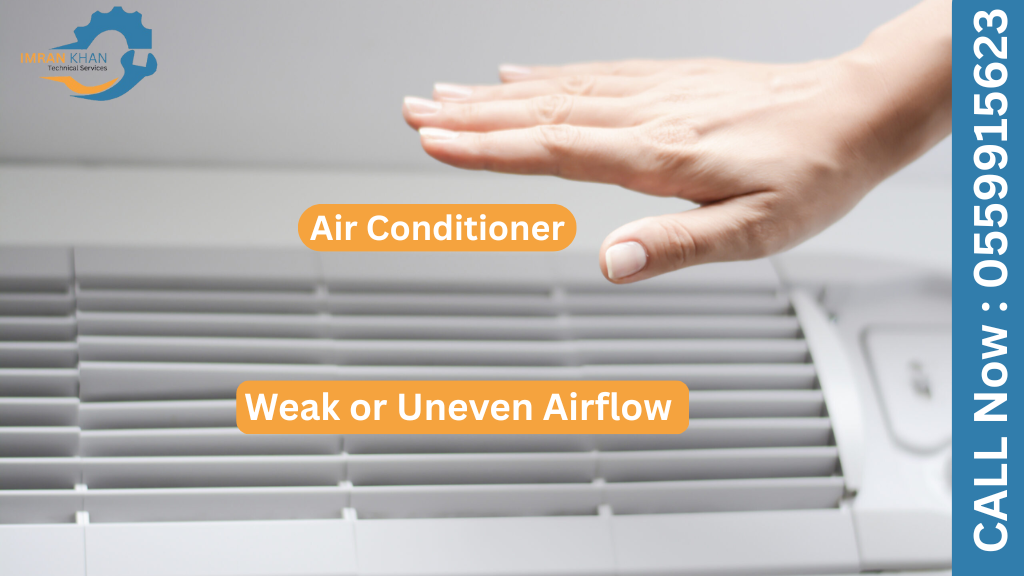
1. Weak or Uneven Airflow
One of the first red flags of ducted AC trouble is reduced airflow from your vents. You might notice some rooms are cooler than others or that the air feels weaker than usual.
Why it happens:
- A clogged air filter restricts airflow.
- Leaks in the ductwork allow cool air to escape.
- The failing blower motor is struggling to push air through the system.
For instance:
Lina, who lives in a two-story villa, noticed that her upstairs bedrooms were getting warmer, even though her AC was set to its usual temperature. The culprit? A partially blocked duct was reducing the air supply to that part of the house.
Why it matters:
Uneven cooling doesn’t just affect comfort—it forces your AC to work harder, which increases energy bills and speeds up wear and tear.
2. Strange Noises from the System
Your ducted AC should run quietly in the background, with only a soft hum. If you start hearing clanking, banging, grinding, or whistling, it’s a sign that something is wrong.
Possible causes:
- Loose or broken parts in the air handler.
- Debris lodged in the ductwork.
- Worn-out fan belts or bearings.
In contrast:
While a faint whoosh of air is normal, a persistent metallic rattle is not. Ignoring these sounds can turn a small mechanical issue into a major repair.
Story:
Ahmed ignored a faint grinding noise for weeks. One hot afternoon, his AC stopped completely—the fan motor had seized up. What could have been a minor repair turned into a costly motor replacement.
3. Bad Odors Coming from the Vents
A fresh, clean-smelling home is one of the joys of air conditioning. But if you start noticing musty, burnt, or chemical smells from your vents, your ducted AC may be signaling trouble.
What it might mean:
- Musty smell: Mold or mildew growing in the ducts due to excess moisture.
- Burning smell: Overheating electrical components or wiring issues.
- Chemical smell: Possible refrigerant leak, which needs immediate attention.
For example:
Samira noticed a damp, earthy odor every time she switched on the AC. A technician later found mold growth inside the ducts, likely caused by a slow water leak from the condensation line.
As a result:
Bad odors aren’t just unpleasant—they can affect indoor air quality and even pose health risks, especially for those with allergies or asthma.
4. Higher Energy Bills Without Increased Usage
If your electricity bill suddenly spikes despite using your AC the same way, it could be a sign that the system is working harder than it should.
Why this happens:
- Clogged filters or ducts restrict airflow.
- Leaks in the ductwork cause cool air to escape.
- Worn-out components make the system inefficient.
Real-life example:
Naveed’s bill jumped by 25% one month. He assumed DEWA rates had gone up, but a check revealed a leak in the return air duct. Once repaired, his bills dropped back to normal.
Furthermore:
The longer you delay repairs, the more you’ll pay—not just in utility costs but in bigger repair bills when the problem escalates.
5. Inconsistent Cooling or Warm Air Output
Perhaps the most obvious—and frustrating—sign is when your AC blows warm air instead of cool. Inconsistent temperatures throughout the house can also point to trouble.
Possible causes:
- Low refrigerant levels from a leak.
- A malfunctioning thermostat misreads room temperatures.
- Compressor or evaporator coil issues.
For instance:
During a particularly hot week, Ali’s AC started blowing lukewarm air. The technician found a refrigerant leak, which not only reduced cooling efficiency but also risked damaging the compressor.
Why quick action is crucial:
Low refrigerant doesn’t just affect comfort—it can cause severe system damage if ignored.
Why Early Detection Saves Money and Stress
Catching these warning signs early can:
- Prevent complete system breakdowns during peak summer heat.
- Reduce energy costs by keeping your AC efficient.
- Extend the lifespan of your ducted system.
In contrast, waiting until the system fails can mean days without cooling—and in Dubai’s climate, that’s a situation no one wants to be in.
Pro Tips to Keep Your Ducted AC Healthy

- Change Filters Regularly – Every 1–3 months, depending on dust levels.
- Schedule Annual Maintenance – Professional checks can catch small problems before they grow.
- Keep Vents Clear – Don’t block airflow with furniture or curtains.
- Listen and Smell – Pay attention to new noises or odors.
- Monitor Bills – Sudden spikes could mean inefficiency or leaks.
As a result, your AC will perform better, last longer, and keep you cool without surprises.
A True Dubai AC Rescue Story
Mariam’s ducted AC stopped cooling properly just as a heatwave hit. She thought she’d have to replace the whole unit, but a quick inspection revealed a minor refrigerant leak and a clogged filter. The repairs took less than two hours and cost a fraction of a replacement.
Her story serves as a reminder that recognizing signs early can turn a potential crisis into a simple solution.
Frequently Asked Questions (FAQ)
1. What are the early warning signs of a failing ducted AC system?
Early signs include weak or uneven airflow, strange noises, bad odors from vents, higher electricity bills, and inconsistent cooling or warm air output.
2. Why does my ducted AC have weak airflow in some rooms?
This usually happens due to clogged air filters, blocked or leaking ducts, or a failing blower motor that cannot push air efficiently through the system.
3. Are strange smells from AC vents dangerous?
Yes, they can be. Musty smells may indicate mold growth, burning smells could signal electrical problems, and chemical smells may point to refrigerant leaks—all of which need immediate attention.
4. Can a faulty ducted AC increase my electricity bill?
Absolutely. When the system works harder due to clogged filters, duct leaks, or worn-out components, it consumes more energy, leading to higher electricity bills.
5. How can I prevent major ducted AC problems in the future?
Regular filter changes, annual professional maintenance, keeping vents clear, paying attention to unusual sounds or smells, and monitoring energy bills can help prevent serious and costly AC issues.
Final Thoughts
Your ducted AC is one of the hardest-working systems in your home, especially in Dubai’s relentless summer heat. Weak airflow, strange noises, bad smells, high energy bills, and warm air output are all signals you should never ignore.
Think of it like listening to your body—you wouldn’t ignore chest pain or sudden fatigue. The same goes for your AC. The sooner you respond to the warning signs, the faster (and cheaper) the solution will be.
So, next time you hear an odd sound, smell something off, or notice uneven cooling, take it seriously. A quick call to a qualified technician today could save you from a hot, uncomfortable, and expensive tomorrow.
Latest Post:
24/7 Emergency Electrician Dubai — Fast Response Guaranteed
24/7 Emergency Electrician Dubai — Fast Response Guaranteed Home Certified Experts Same Day Service 24/7 Emergency Support 5000+ Happy Customers Google Rated Business Electrical emergencies can happen at any time, and delaying repairs can put your family, employees, and property at risk. Whether you’re experiencing a complete power outage, exposed live wires, burning smells, or…
Electrical Repair Services Dubai — Complete Guide 2026
Certified Experts Same Day Service 24/7 Emergency Support 5000+ Happy Customers Google Rated Business Electrical Repair Services Dubai — Complete Guide 2026 Home Electrical issues can happen without warning and should never be ignored. Whether you’re dealing with a power outage, faulty wiring, flickering lights, or a tripping circuit breaker, professional help is essential to…

Strange AC Noise Fix: Complete AC Sound Problem Solution Guide
Certified Experts Same Day Service 24/7 Emergency Support 5000+ Happy Customers Google Rated Business Strange AC Noise Fix: Complete AC Sound Problem Solution Guide Home Is your AC making strange noises? While some sounds are normal during operation, unusual noises such as buzzing, rattling, clicking, banging, or hissing can indicate underlying problems that need attention.…